
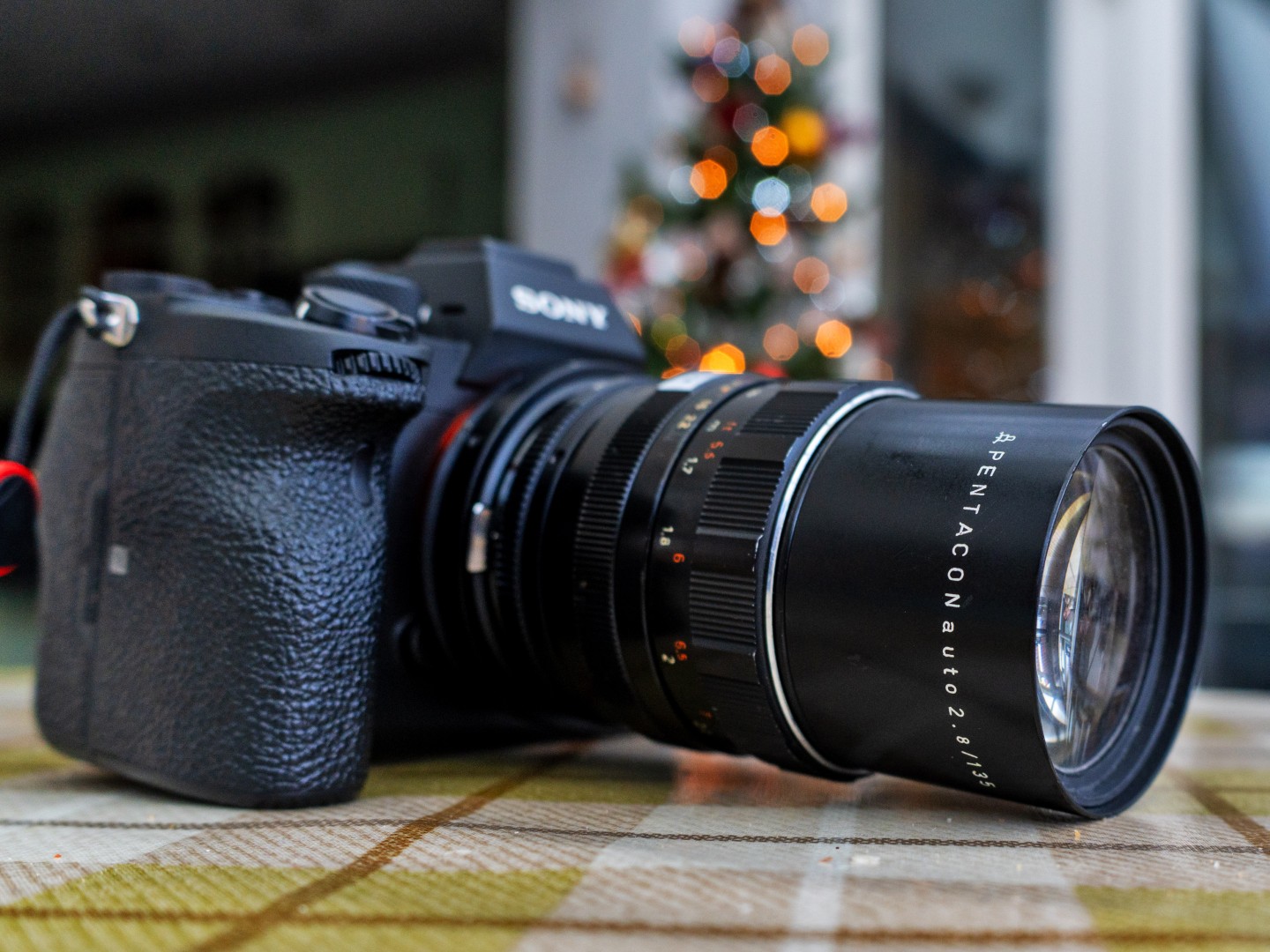
The Random Lens Generator received an update this week. Having added the Panasonic Lumix GX9 to complement the Lumix G9 and having acquired a third lens with another two on the way, I decided to add these cameras to the roulette and a separate wheel for the Micro 4/3s lenses. I have though weighted the camera choice so that it is around five times more likely to pick a Sony camera than a Panasonic one. I am still toying with the idea of adding my other Sony cameras to the wheel with a similar weighting system, but may wait a bit for that.
As it was the roulette wheel first picked the full frame Sony A7R IV then for the lens to accompany it – the M42 mount Pentacon Auto 135mm f/2.8. This six bladed version of the East German manufactured lens carries far less prestige than its fifteen bladed predecessor and as such can be picked up for around £20-£30, which is what I believe I paid for it a few years back (I actually have no records of when I purchased it). As it requires an adapter to work on a modern non-M42 mount camera, I have no history of when it was used to fall back on. I know it was taken with us on a holiday back in 2023 and was used just once on a day out on the Jurassic Coast visiting Durdle Door. I remember it being particularly hard to nail focus, it being, of course, a manual focus lens, and was used sparingly (especially once the Minolta 135mm f/2.8 was purchased) and not again – until today.
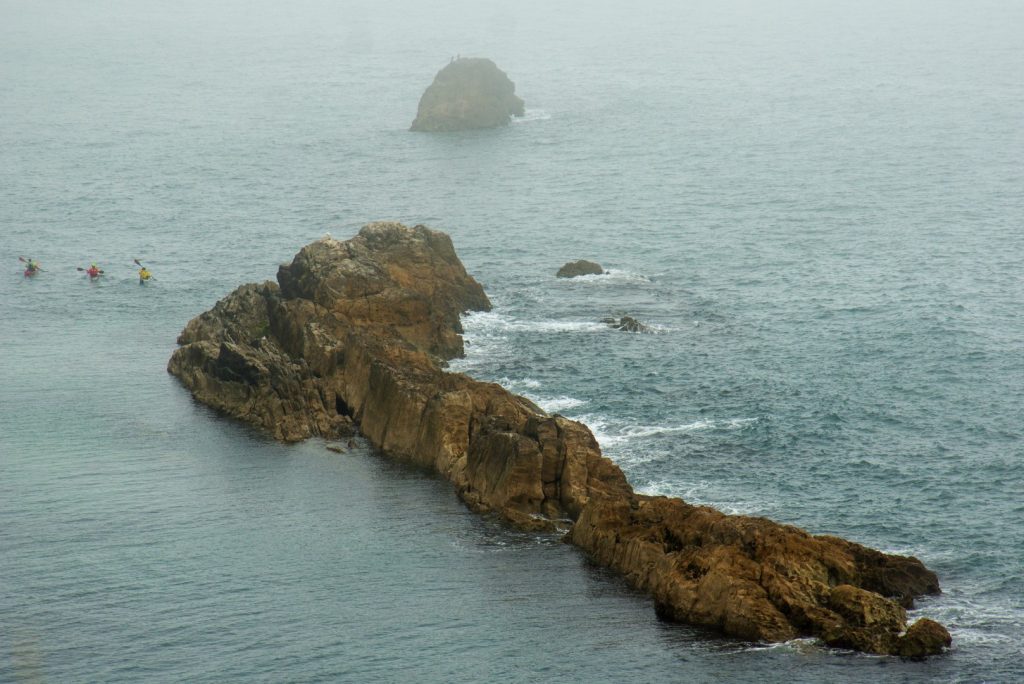
This time around I would have a secret weapon to help with the small matter of focusing. A year after our Summer holiday I treated myself to a Techart LM-EA9 – an adapter that is designed to allow Leica M Mount manual focus lenses to not only fit onto Sony E Mount cameras, but allow them to use autofocus! Using magic, otherwise known as some clever reverse engineering and small motors that actually move the lens backwards and forwards to acquire focus, additional mount adapters allow essentially any manual focus lens to be attached to the Techart Adapter and gain autofocus.
I’ve tested the adapter on all my lenses with varying degrees of success, the idea is that you simply focus to infinity and let the camera do the rest. The reality is that for most of my lenses you have to do some of the heavy lifting depending on where the subject of focus is, getting the image somewhat in focus before letting the AF finish the job. When it works it’s very good considering what it is actually attempting to do. For understandable reasons it’s nowhere near as fast nor accurate as modern E mount AF lenses, but when working well, can perform in a similar ballpark to the official Sony A mount adapters (Albeit the less quick ones). At worst when it refuses to play ball, you can fall back on manual focusing and focus peaking if required.
Another nice feature of the adapter is that whilst aperture information isn’t recorded (everything is f/2), shutter speed info is and it is also possible to record the lens length to the EXIF data. To do this you fire a shot at f2 on the camera, then take another shot at an f stop that marries with your lens e.g. f/16 for a 135mm lens, then finally another shot at f/2. Not only is the lens length recorded in the EXIF, it activates the auto mode of the camera’s inbuilt IBIS stabilisation – which is very cool!
I would take the camera and lens on a 10K walk along most of the route I often take when running around Grantham town. I am injured currently and unable to run, so this was a good way to see what has happened in the past few weeks since I was last able to be out running around time. After a truly miserable day before weatherwise, it was a bright and sunny, albeit quite cold, so the gloves were on for this one! The River Witham was flowing fast and quite high, albeit not at the levels we saw at the beginning of the year when it flooded Wyndham Park and the surrounding area.

The third photo I took on the walk and impressively the camera, with the Techart adapter and the lens set to focus just before infinity, had zero issues continuously autofocusing the man on the ladder in the photo above. Indeed I didn’t have to change the focus at all for the entirety of the trip. I did though have to change the aperture constantly as it moved very easily when I walked along with the camera by my side.
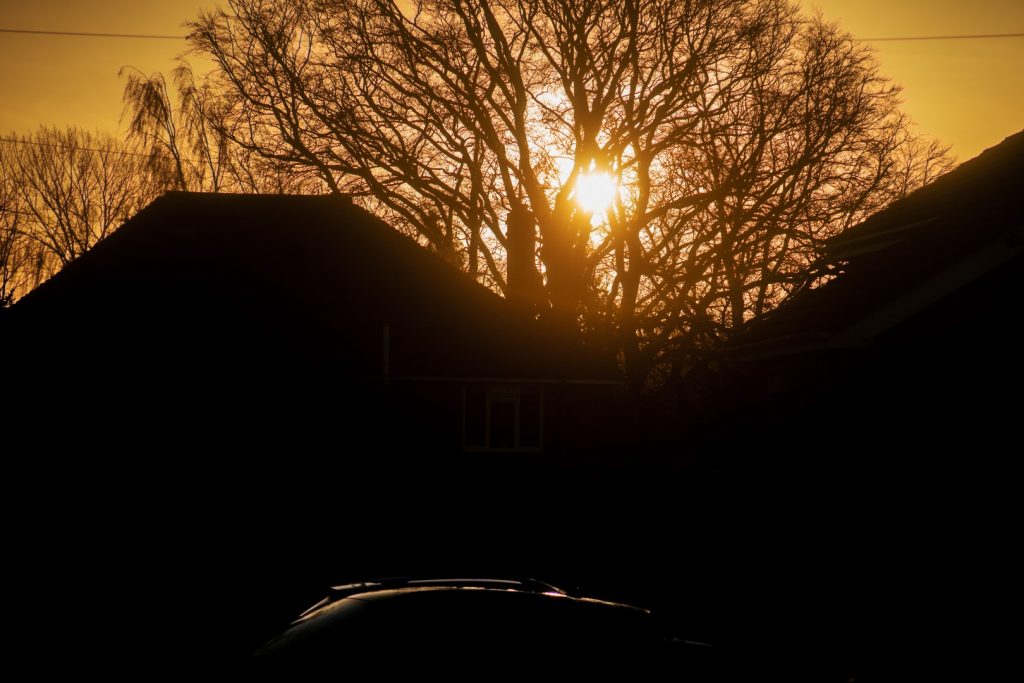
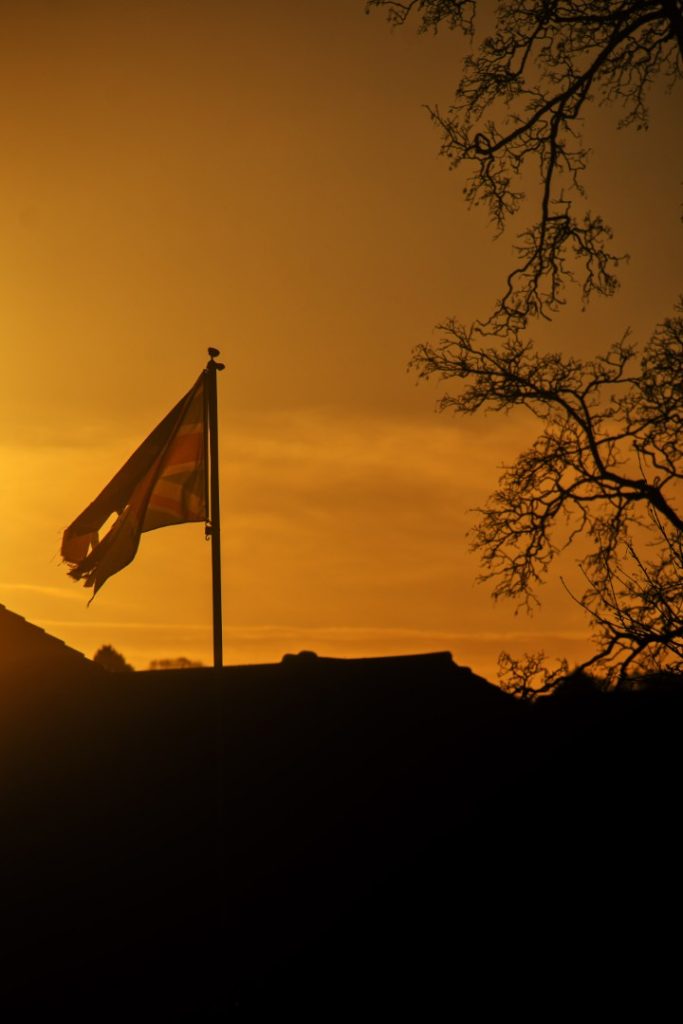
One of the biggest complaints with this lens based on reviews online is that it suffers badly from chromatic aberration. Whilst there was some present in the trees of the first sunrise image, I was actually very impressed with how little purple fringing there was in pictures I took – certainly a lot better than my experience with the Minolta 135mm f/2.8 a few weeks ago.
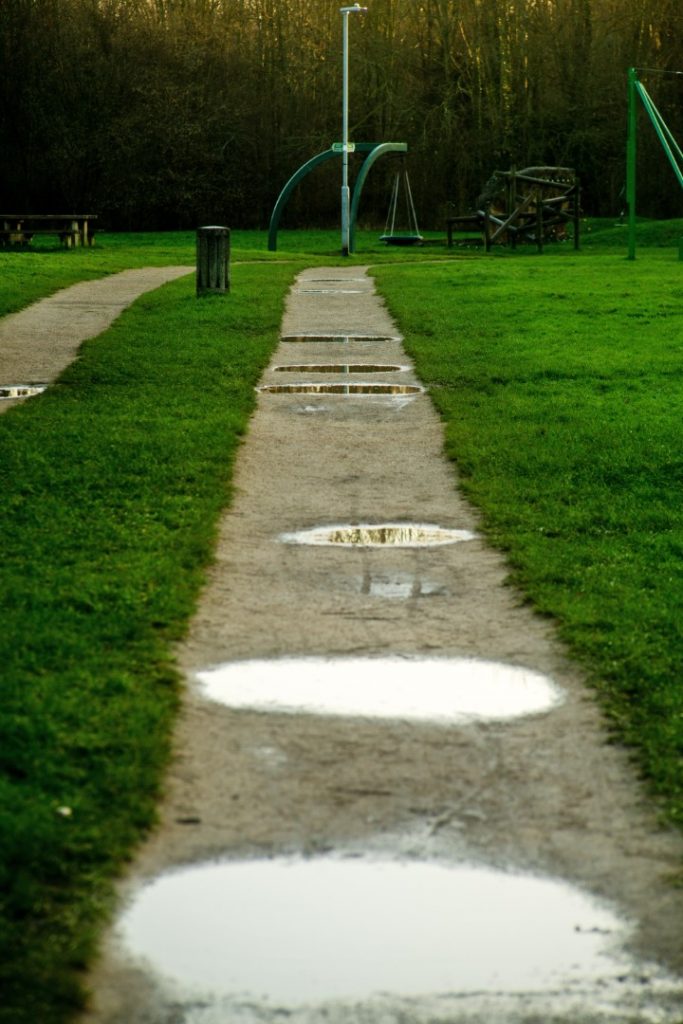
Shooting directly into the light was a real weakness of the lens. A lack of coating meant that lens flare was sometimes appalling at worst and lacking contrast at best. In the best case scenarios I was, with the raw files, able to dial a lot of contrast to taste back into the image.
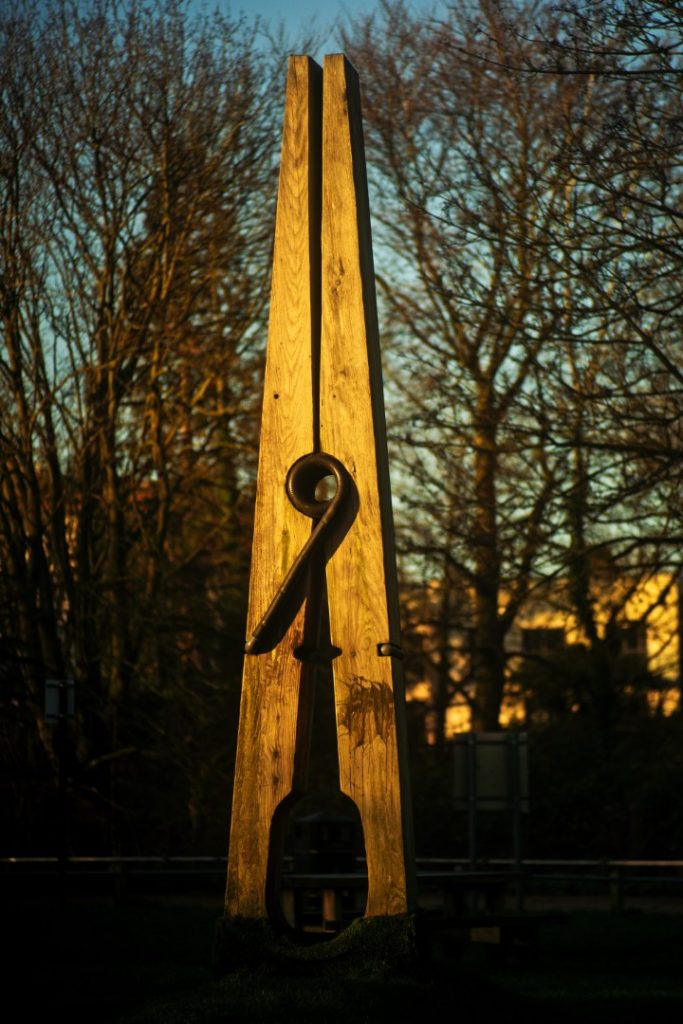
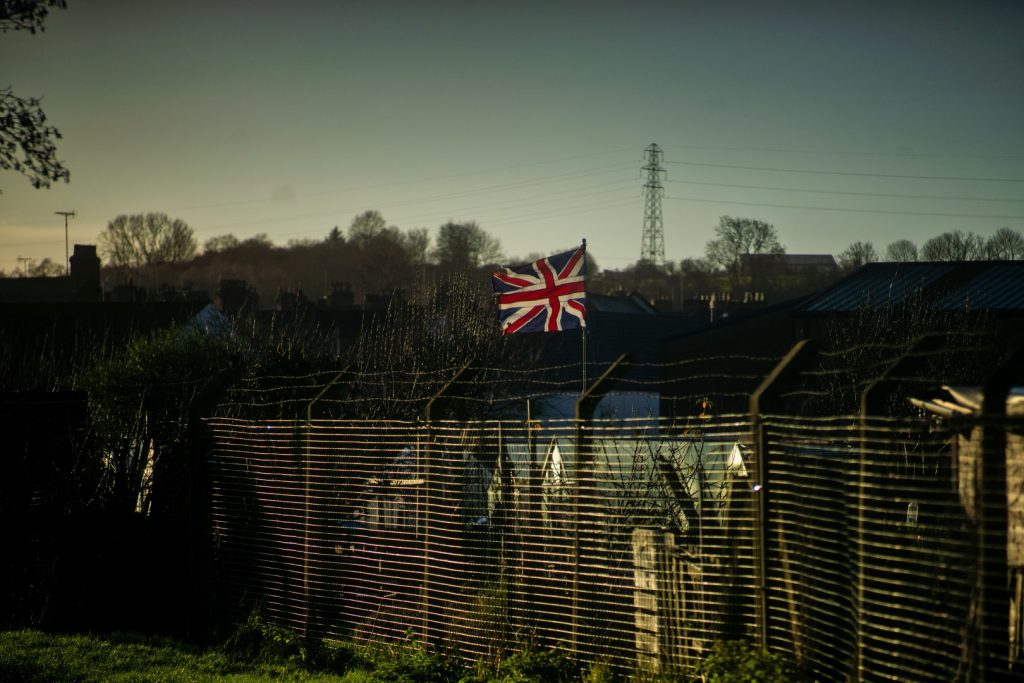
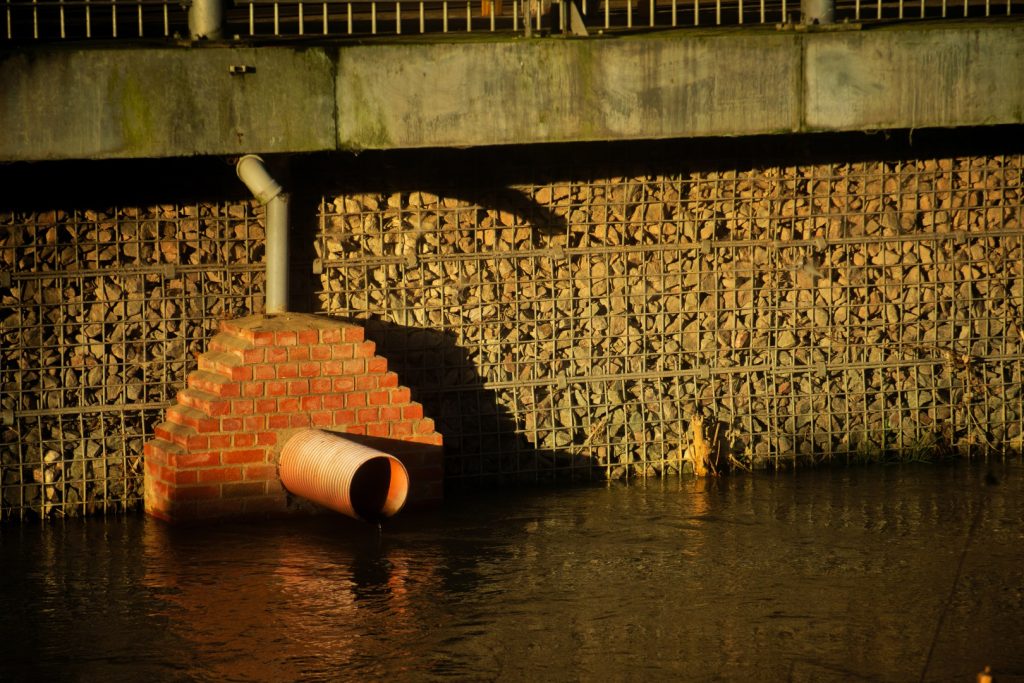
I was so impressed with how the AF was working with this manual focus lens – I almost forgot I was using a manual focus lens made likely over fifty years ago. I shot most of the images between f/3.5 and f/11. I read that f/2.8 is fairly soft, which it is, but again I think I must have a good copy as some shots that I am fairly sure were taken at f/2.8 were acceptably sharp, which is very good for a medium telephoto lens costing under £30. Indeed one of the positive points of the lens reviewed is that it yields a pleasingly soft image – ideal for portraits – rather than the razor sharpness that can accentuate every blemish so often found (and strangely desired) by modern lenses.
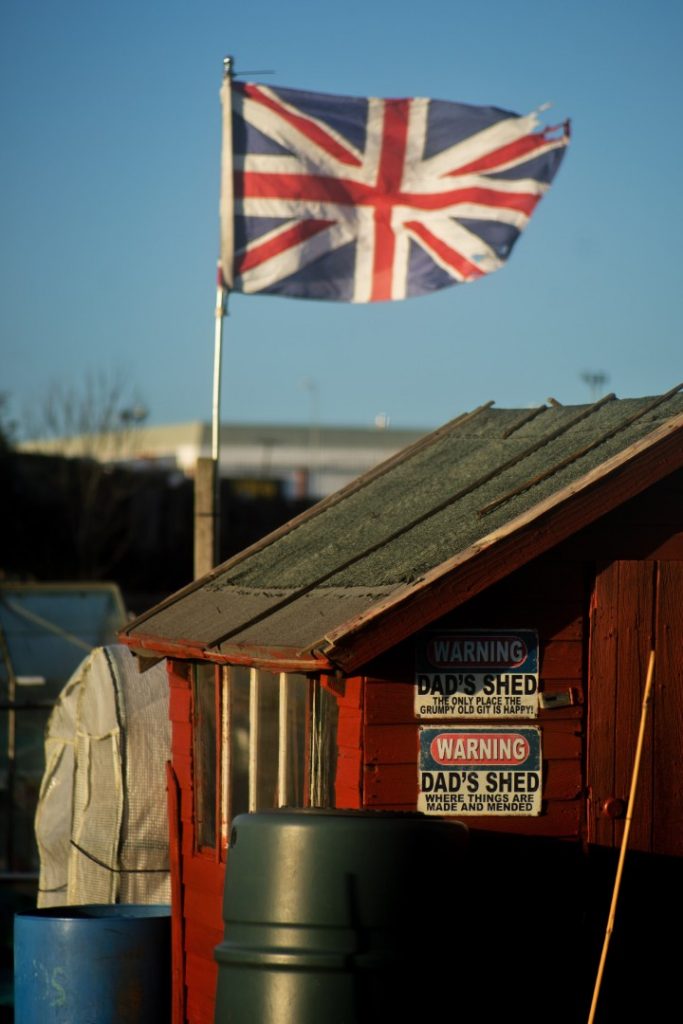
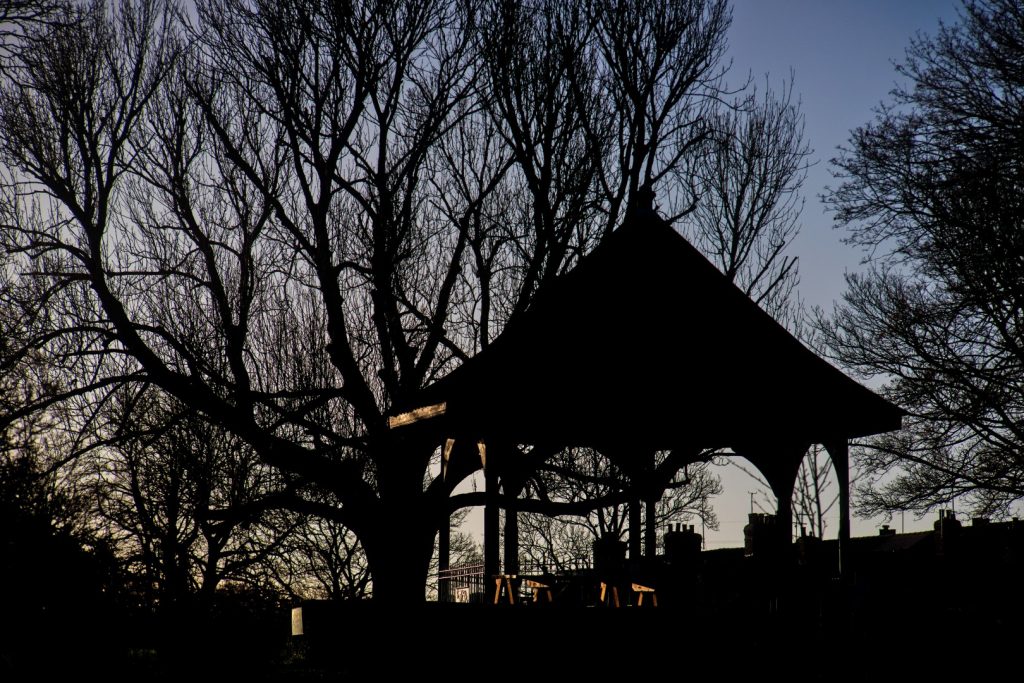
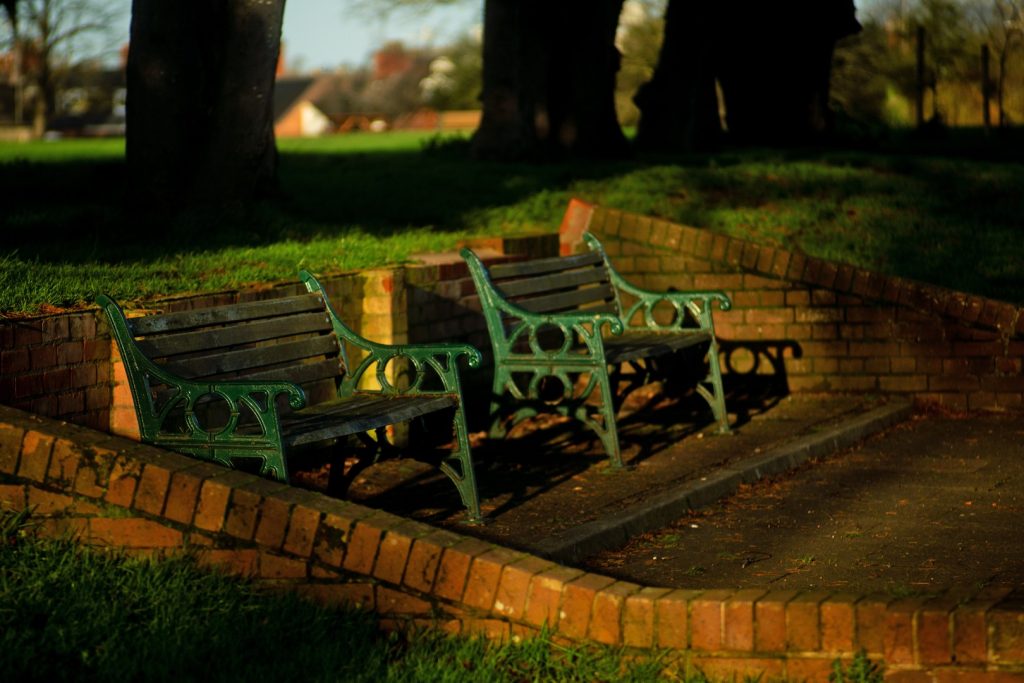
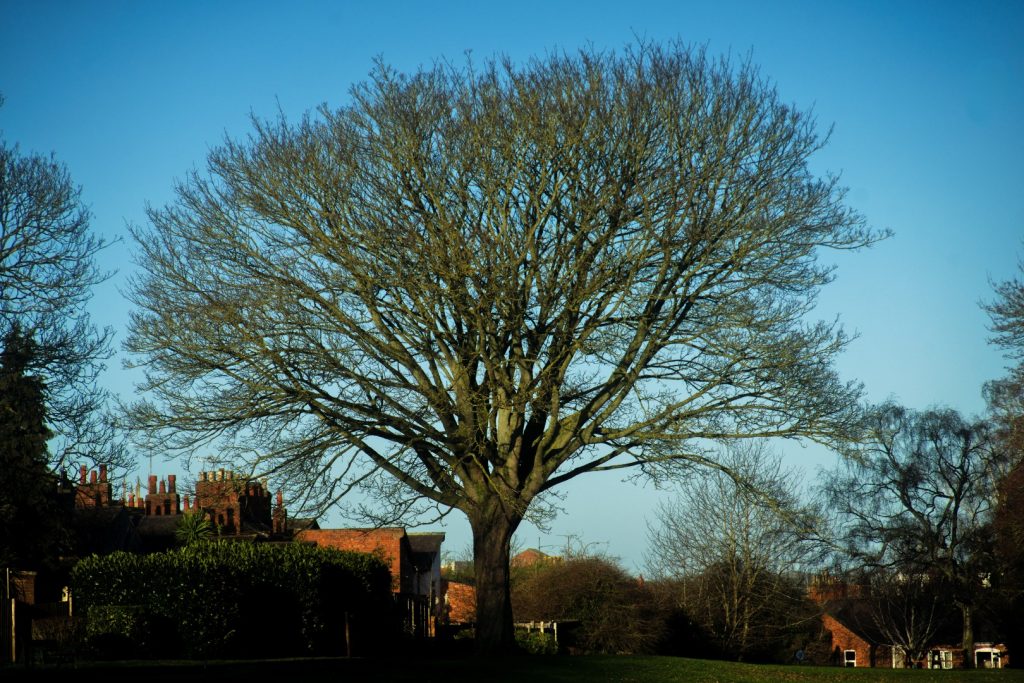
One thing I noticed was that the lens has a heavy vignette at seemingly all apertures I used (I think the tree above was taken at f/8). In most instances I made no attempt to remove it in editing as it tended to compliment the image when apparent.

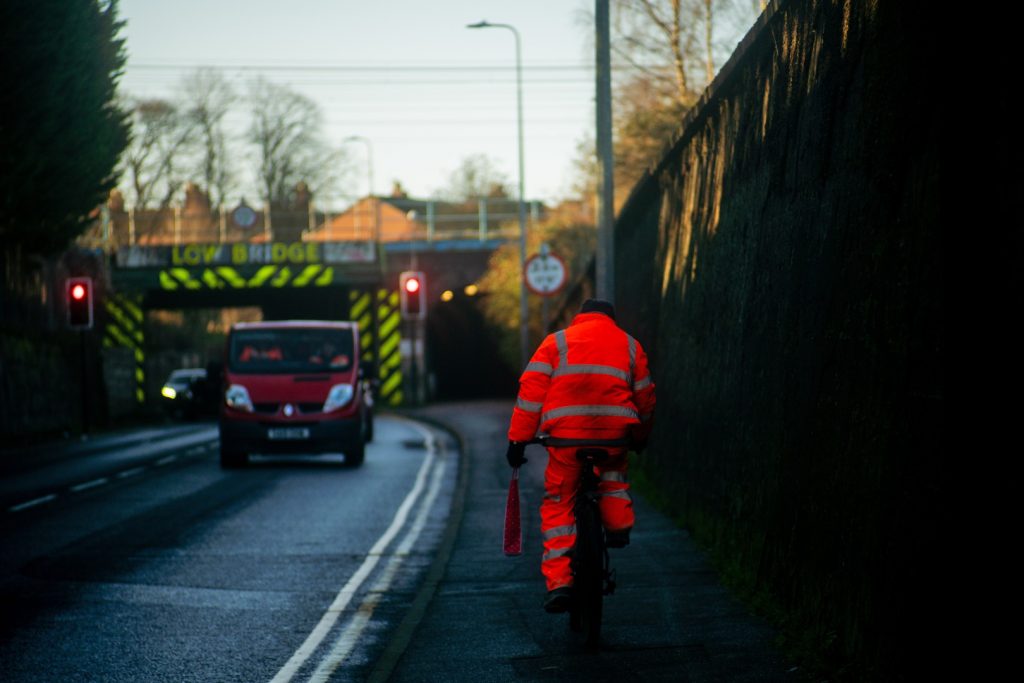
Kudos again to the Techart Adapter for the Hi-Vis guy on the bike was taken moments after the shot of the litter at the old, closed Taco Bell. Not only did it grab focus on him nearly instantly it continued to track him as I took a number of shots over the next few seconds. This, in my hands at least, would be simply impossible with manual focus shooting at (I think) around f/3.5.
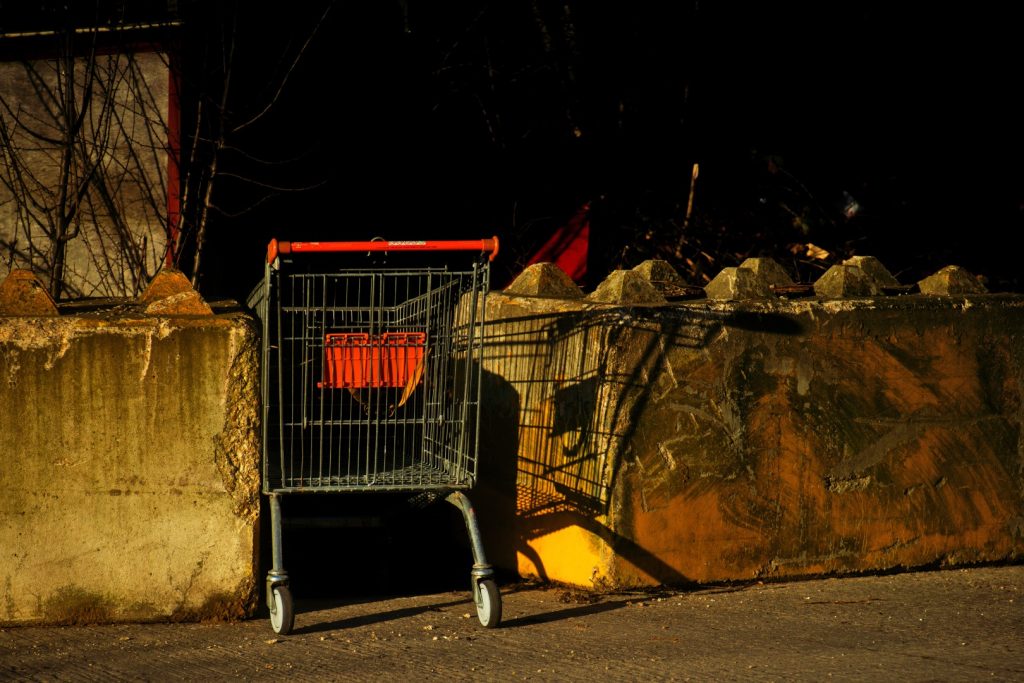
I like the vintage colours of this lens; they were emphasised by shooting at ISO-100 and underexposing a lot.
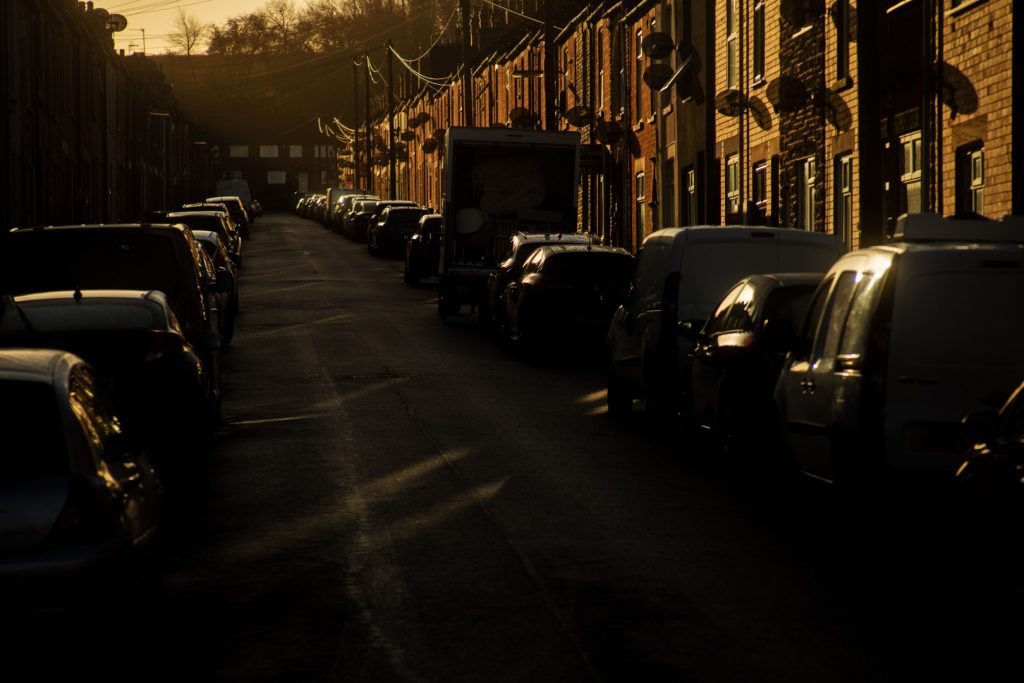
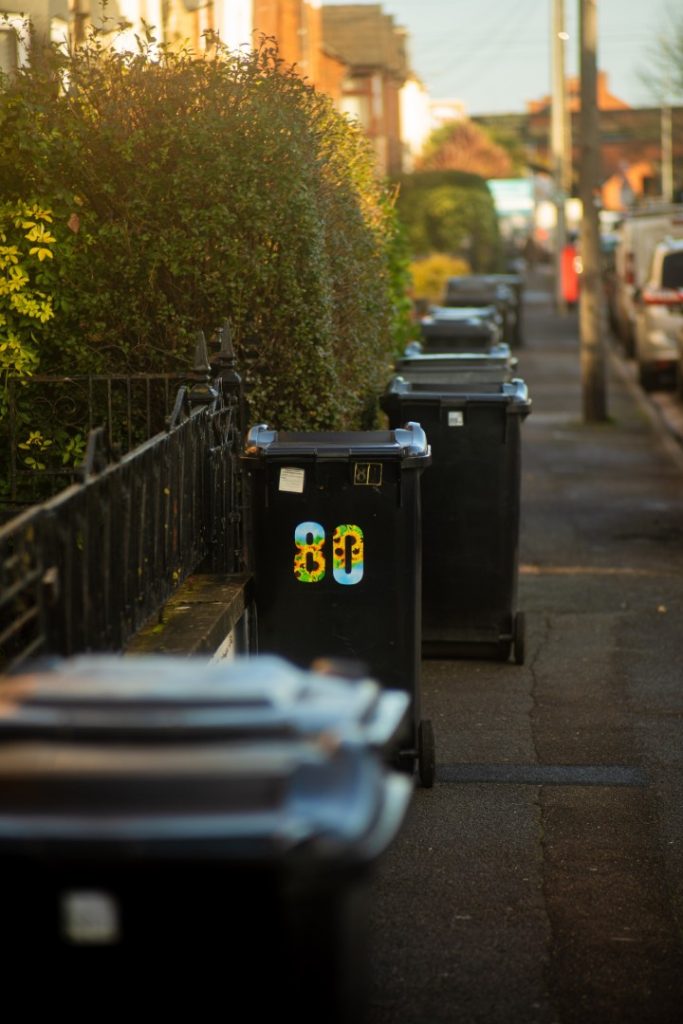
The shot of the bins was a more normally exposed image. The mid-telephoto compression working well here.
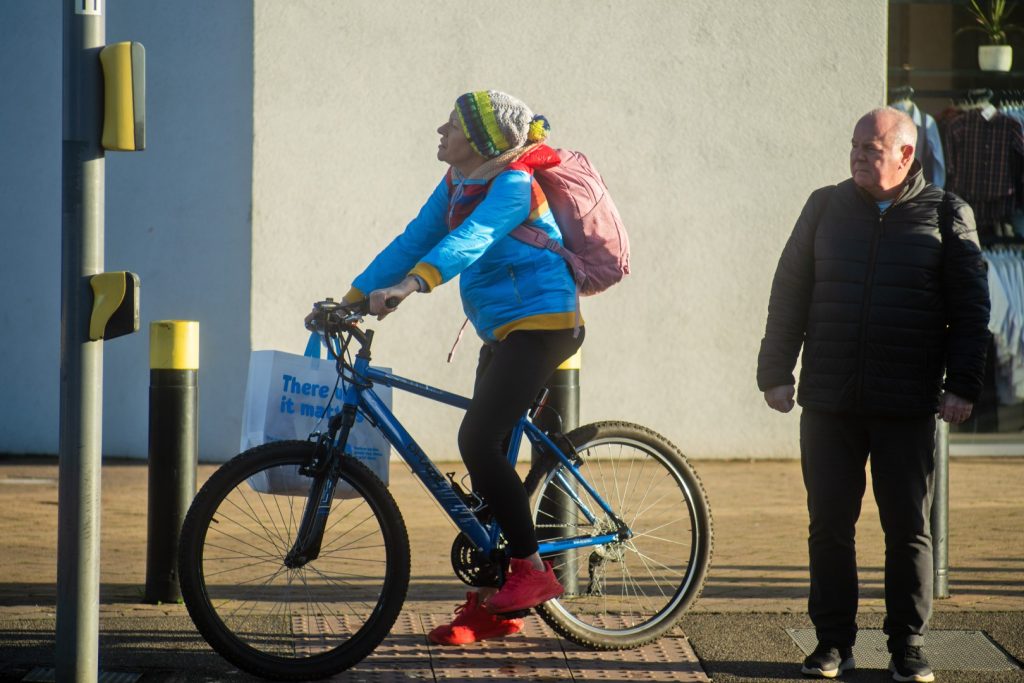
As I headed back into town there were more people around to try and photograph. The woman on the bike had a tiny amount of purple fringing around the edges of her face, which I was able to remove when editing. Again zero issues with quickly auto-focusing.

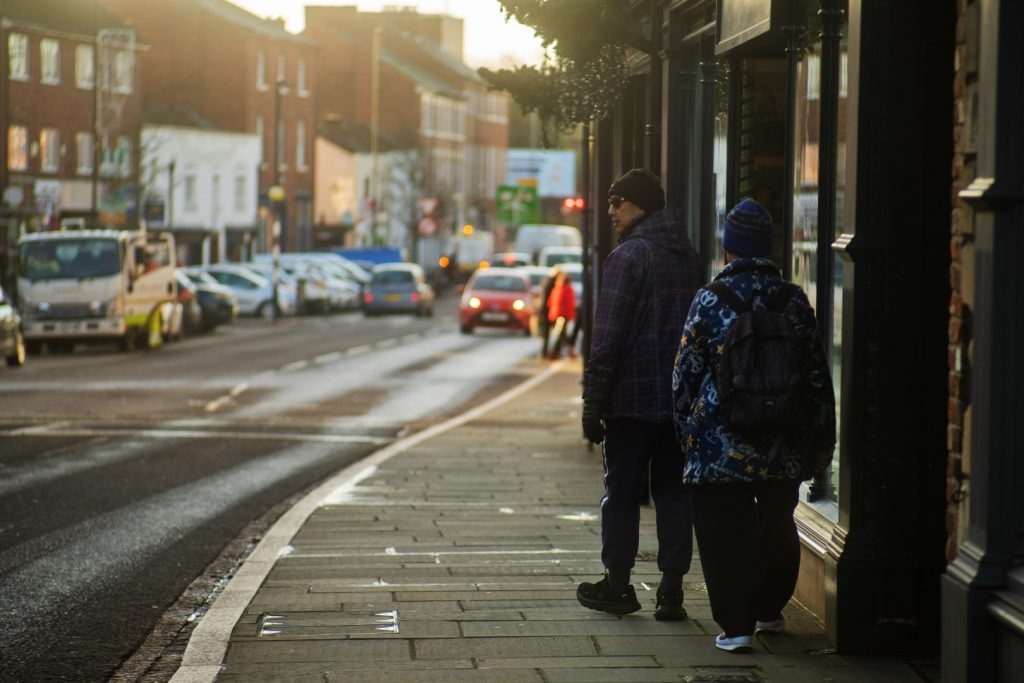
Again some examples of how well the Techart managed to quickly autofocus and continue to do so – especially impressive given the subjects were somewhat in shade – where AF can be problematic.
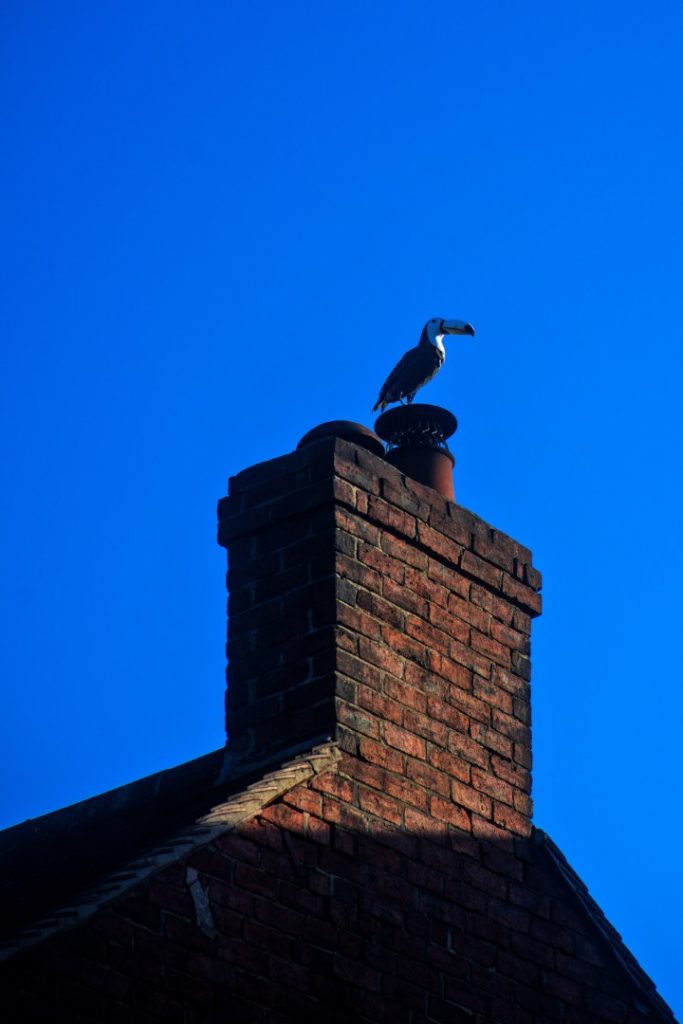
This is on top of the Nobody Inn. I can’t believe I haven’t noticed it before in all the years I have walked, driven by, and drank at the premises!
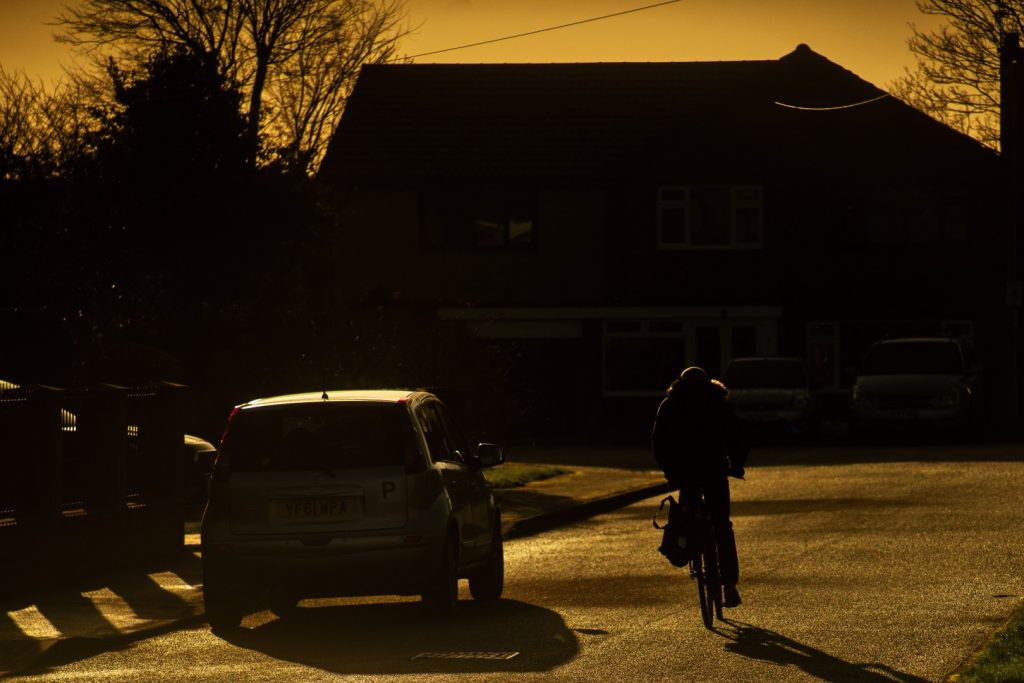
All in all I was very pleasantly surprised with not only the lens but the Techart adapter which, until today, I had not tested on a street photography style walkabout. I knew it could be capable, in particular having recently used it on moving children with great results with a TT Artisan 75mm f/1.5, but I was very impressed how, after just a few minutes shooting, I pretty much forgot I was shooting with a manual focus lens that was being autofocused.
I think I prefer the Minolta 135mm f/2.8 over this lens – I love Minolta colours. But, in terms of the overall image quality, I think this punches well above its weight and if you are adept at manually focusing or have a Techart adapter and on a budget, the lens is recommended! Both this lens and the Minolta give me cravings to acquire a modern day faster 135mm lens. One for 2026 me thinks!
Leave a Reply