
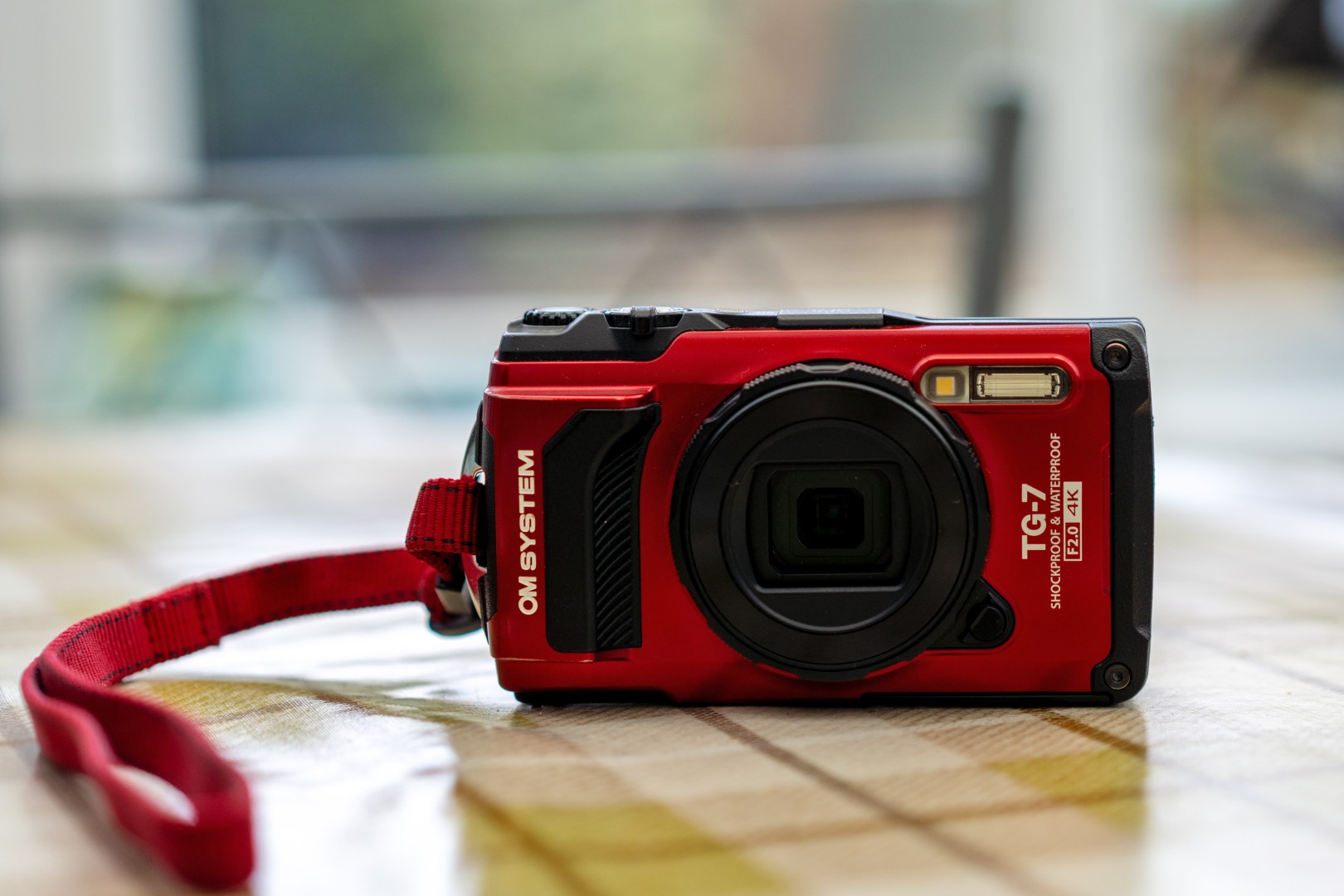
The OM System Tough TG-7 was not my first foray into the world of waterproof, dustproof, and shockproof cameras. Back in February 2010 I picked up the Panasonic Lumix DMC-FT1 (the DMC-TS1 outside of Europe). At the time my job saw me travelling all over the world with the F1 circus, something I had first started doing back in 2002 when digital photography was in its infancy and I accidentally found myself at the forefront of the digital camera revolution in sports photography, working as a Picture Editor (or Digital Technician as we were / are known) alongside a bunch of professional photographers working for Sutton Motorsport Images.
My first personal digital camera – the Canon G5, first came with me in 2004 to the Australian Grand Prix, and for five years I would on occasion take either that or its successor for me the Canon Powershot A620 with me on my travels. They worked well as everyday carries in the world before mobile phones with usable camera, but what I found myself wanting more and more was a camera that I could take with me on my runs that I used to do most mornings or evenings when at a Grand Prix. It was these runs where I would often see the sights and sounds that most of my less active peers didn’t see on their travels, but I was usually reluctant to take a camera as they were either too large (The G5) or not durable enough for sweat, rain and bumps (The A620).
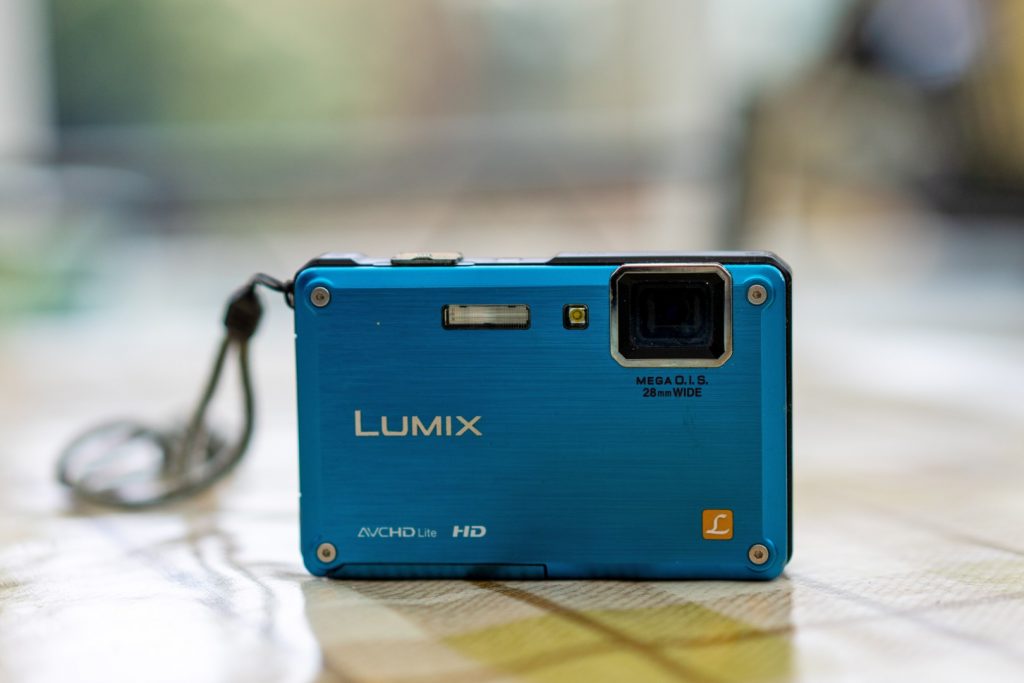
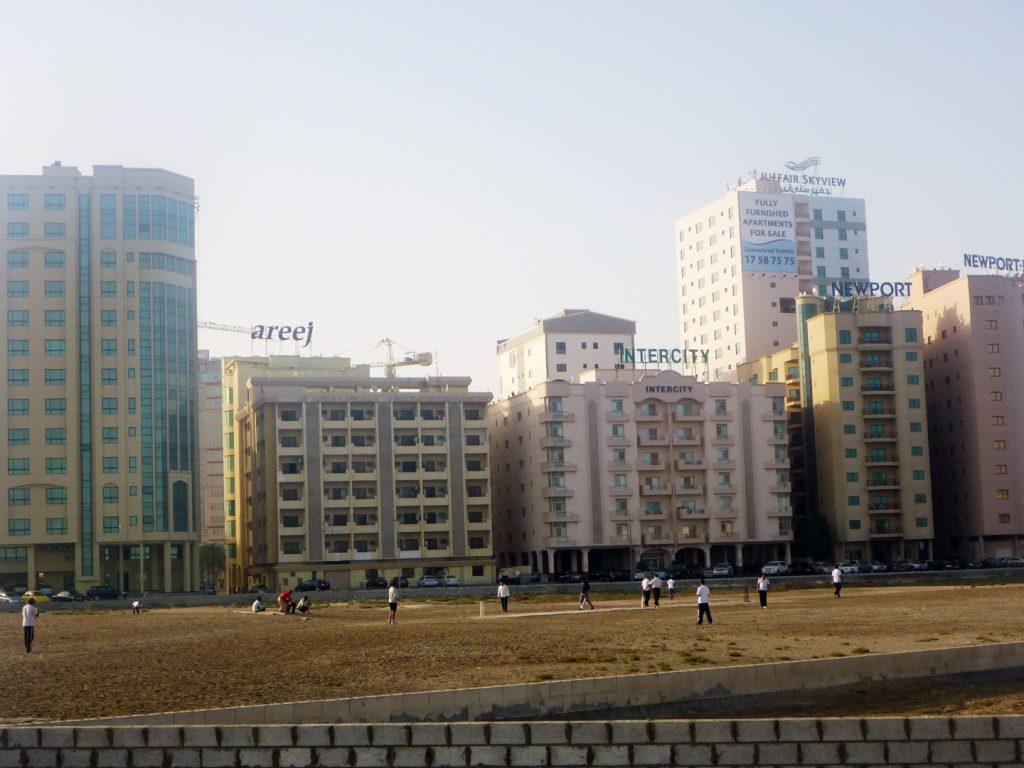
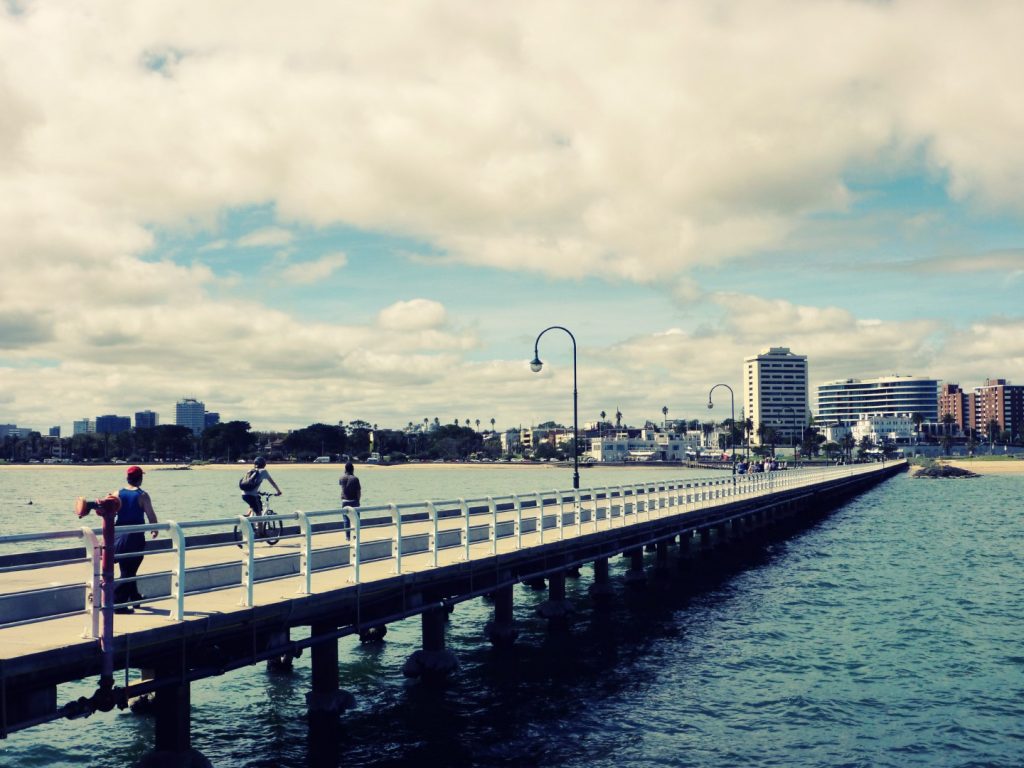
When the shockproof FT1 came about it was a revolution for me, carrying it happily in my left hand on many of my runs, catching the mundane everyday things that surrounded me when out running and occasionally catching a picture of the odd shark in Melbourne, which happened to make the Australian TV news and earned me a few Aussie dollars!
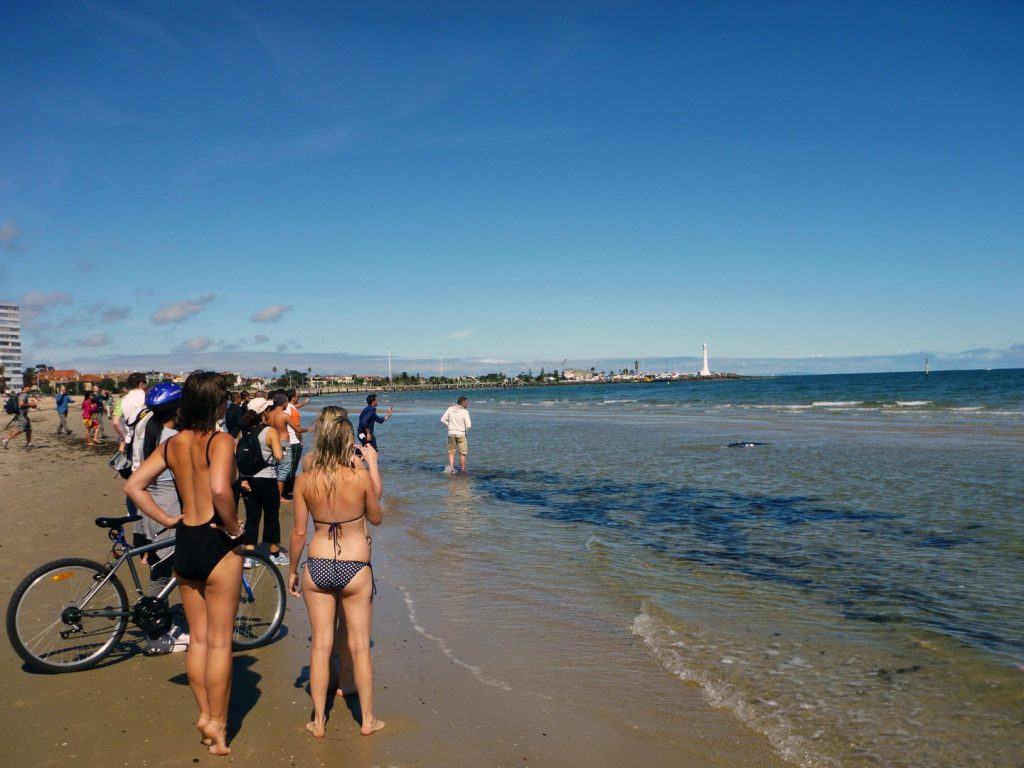
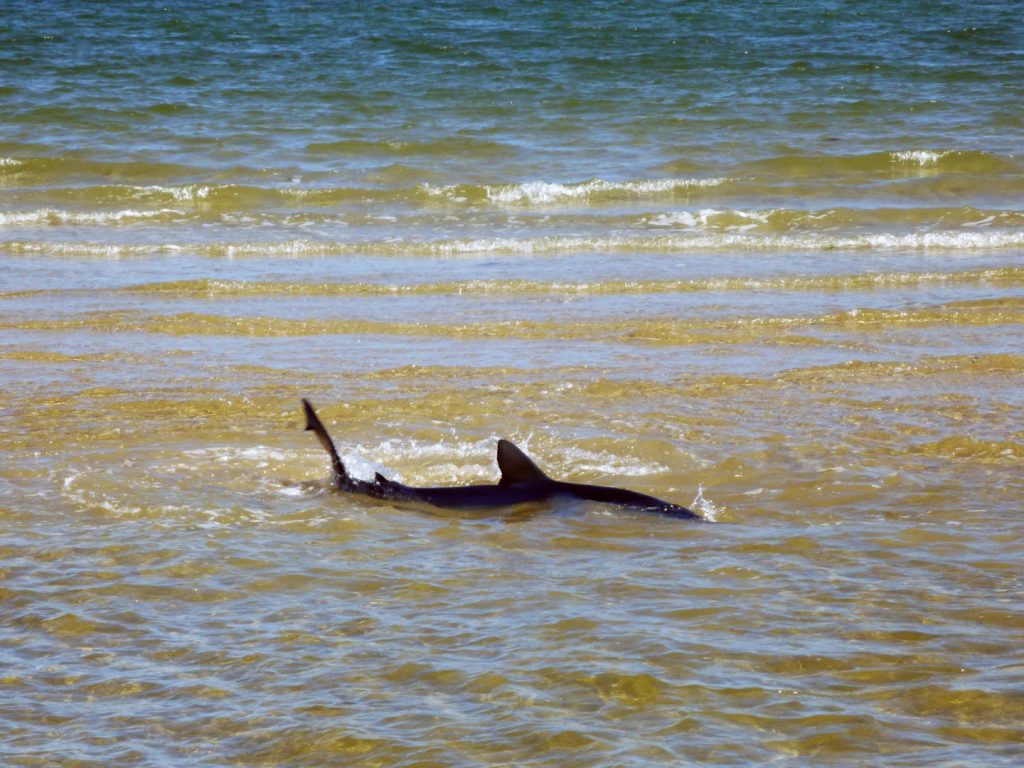
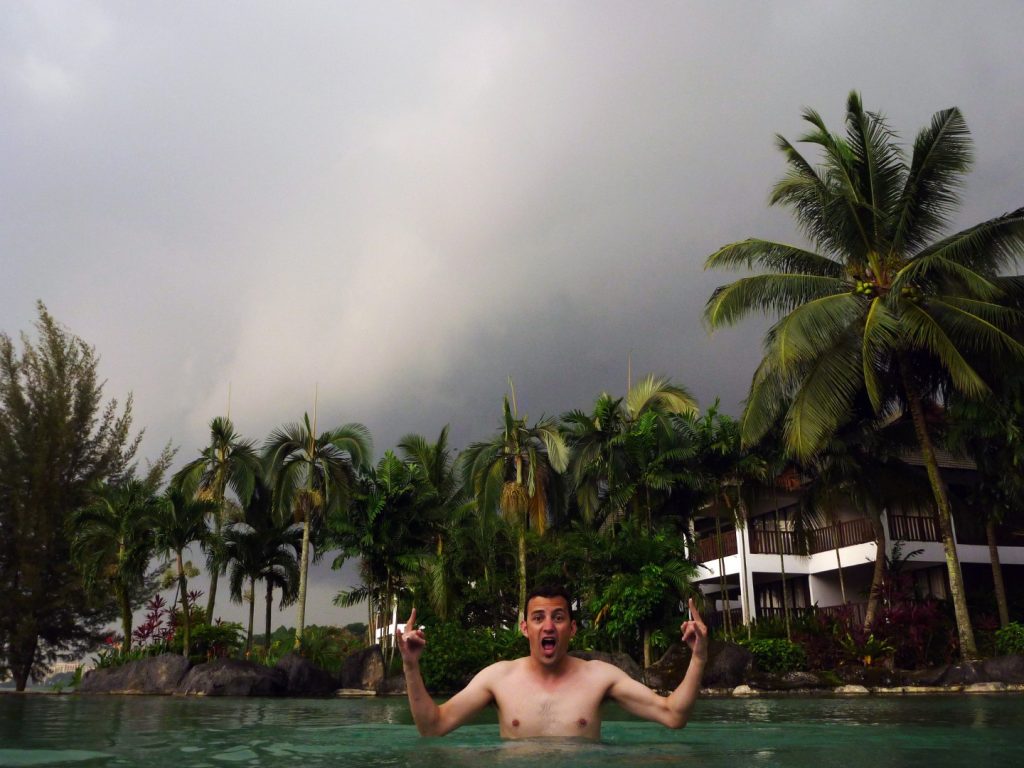
For two years it saw a lot of use as I closed a chapter of my life at the end of 2011, becoming a home based Motorsports Picture Editor. It was a surprise hit whenever a hotel pool or beach was at play – its happiness in and underwater was something that was usually beyond the practical reach of most photographers without expensive housing equipment.
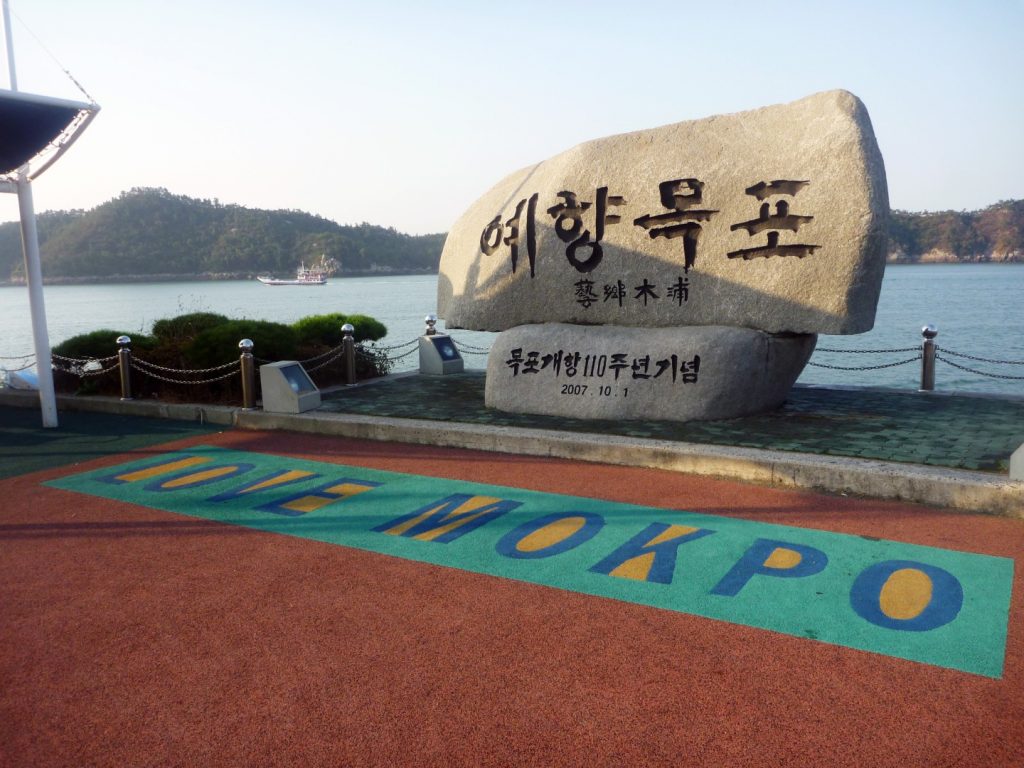
It saw use at home too – it was a camera that I was happy to let my young daughter play with and she wasted no time taking pictures when no-one was looking!

It was also the perfect camera to take with me to the Hop Farm festival back in July 2011 – perhaps the greatest festival few have ever heard of (The only time Prince played a festival in the UK) and this little pocket camera took some of my favourite photos of one of my more memorable weekends.
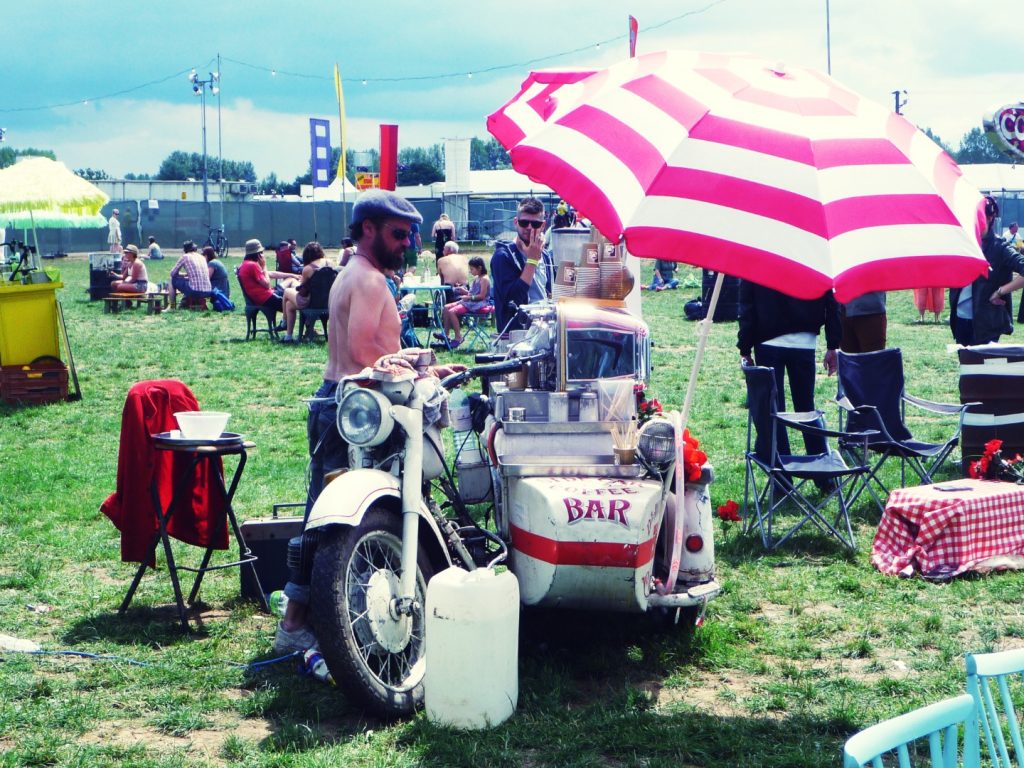
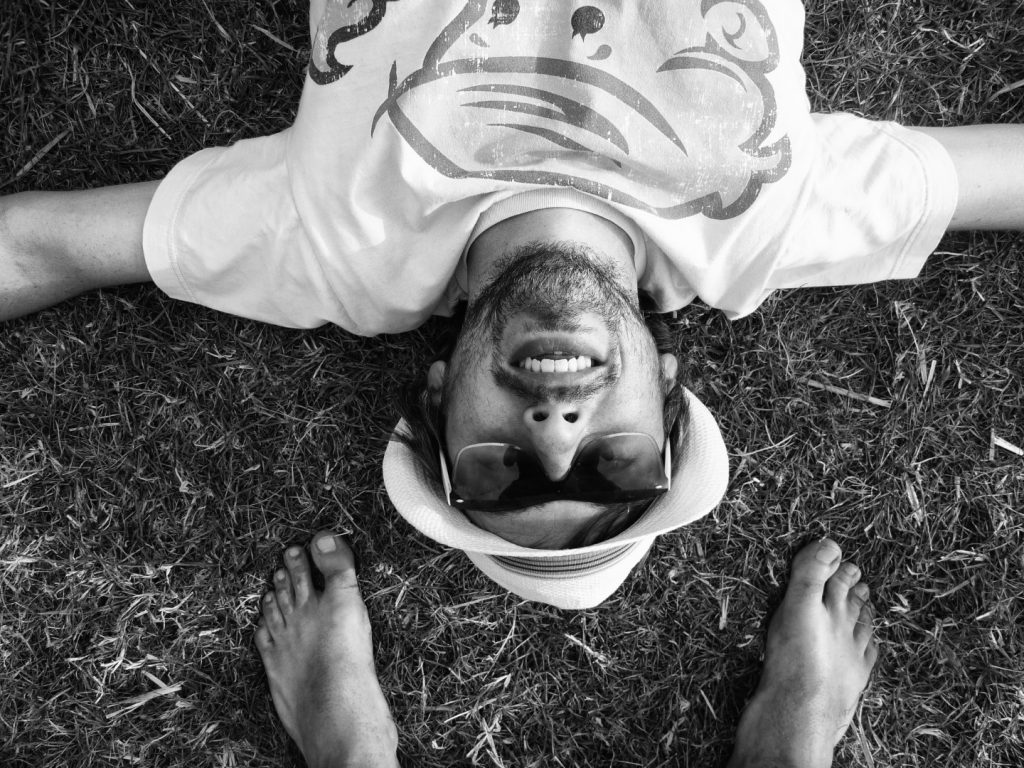
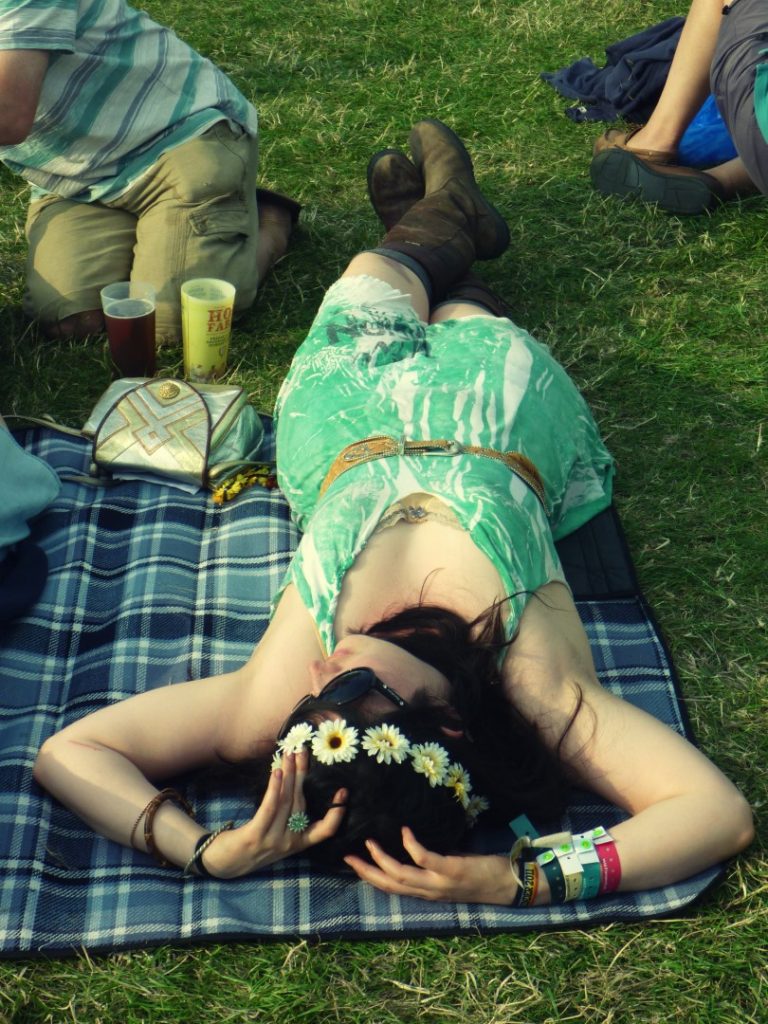
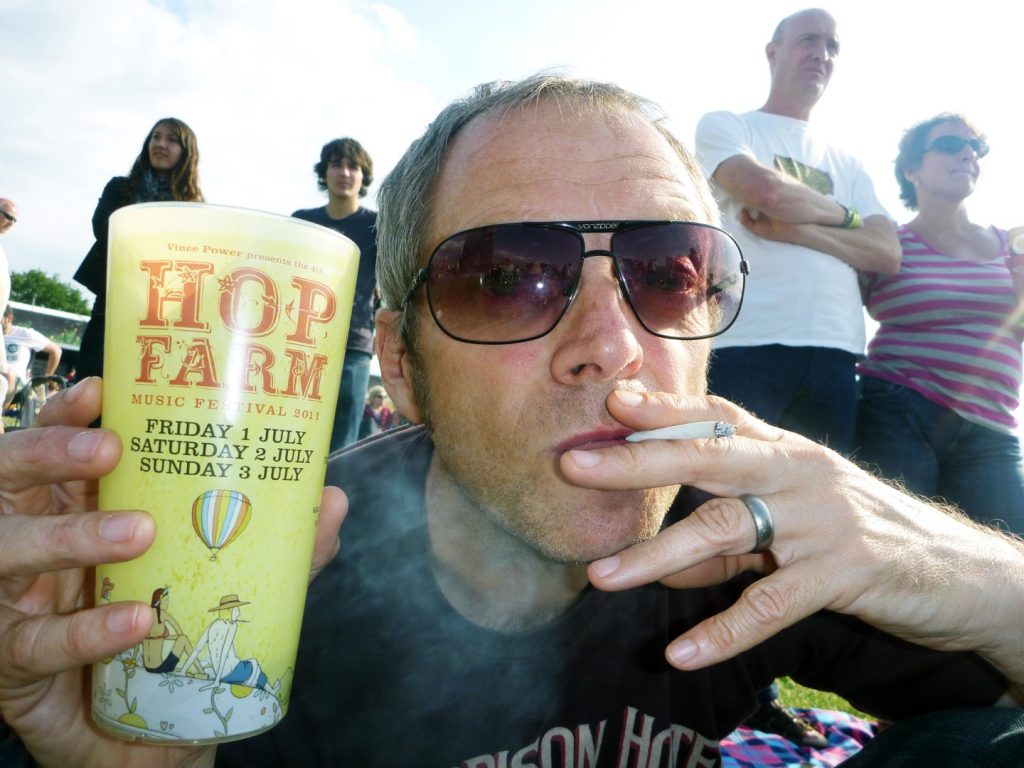
Alas, as with most good things, the little blue camera that could found itself slowly ignored. More home-based in 2012 and beyond, the camera wasn’t taken out on so many sporting activities, most of them being close to home and by 2013 I found myself, now I had a Google Nexus 4 phone that could take a picture that more or less matched the resolution of the Panasonic, using that to take a picture when out and about, especially as a year or so later I would be taking my phone out with me at all times when out running or cycling, so whatever phone I had I would use. The Panasonic was resigned to the electronics drawer of obsolete gadgets that were not thrown away, but not used. The mobile phone, convenient, now waterproof, and with its 50 megapixel sensors capable of pictures far better than the Panasonic could take, had taken over the need for a portable point and shoot, and for a little while any need for any proper camera at all.
My attitude changed, back in August 2023 when out on holiday when I found myself falling back in love with photography – upgrading my DSLR to mirrorless and not looking back. This purchase and realising how much better my big camera pictures were compared to those taken with my mobile phone, especially when viewed on a large monitor, made me reassess my choice of relying on my mobile phone when taking pictures when out running or cycling. Although undeniably convenient and capable a picture that looks fine on a 7″ screen, I was weary of the limitations of my mobile phone and most phones for that matter – the small sensor makes for smeary jpegs that lack detail and offer no possibility for photos with a narrow depth of field unless you cheat with fake bokeh, and it’s ultra wide angle lens making composition limited. Importantly too, whilst aware that I can shoot raw files with the mobile phone camera, it is cumbersome to use, with the onscreen menus and functions something of a nightmare to navigate.
I first got the RX100 MKVII at the end of 2023 with the intention of using it for cycling and running and for a few months I used that as my carry when out cycling and running. It was fantastic; far more capable of taking great pictures than my phone was, and a great companion in particular when I rode from Grantham to north Wales, and down through Wales to Minehead. It does though have its drawbacks. It’s an expensive, fragile piece of equipment, something I don’t like to carry without a case, which makes it hard to hold when running. Taking the camera out when the weather was poor was not an option. I was aware that any kind of fall or accident could render the camera broken, so I didn’t use it much at all when out running and was reserved for cycling on sunny days.
Wanting a camera that I could use in all weathers and all situations, it was back in June 2024 I remembered I had the old blue Panasonic waterproof, shockproof, and dustproof camera and wondered if that could be resurrected, especially as the current fad for old school digital cameras was taking off. I rummaged around, found it, and was able to power it up. What I soon realised was that the camera hadn’t aged all that well. Low resolution by modern standards, little in the way of manual controls, and it fell short with the #1 requirement I wanted and that was the ability to shoot raw – it being a JPEG only camera. So I began to research what was on the market currently and it soon became apparent that the Olympus or OM System Tough Guy range of cameras was pretty much the obvious, if not the only, choice.
The OM System Tough Guy TG-7, released in September 2023 is the latest in the line of Tough Guy cameras that Olympus first released back in 2012 – not long after I stopped using the Panasonic equivalent. It’s been refined over the iterations but essentially it has remained a waterproof, shockproof and freezeproof pocket sized camera with a 12MP 1/2.33in CMOS sensor with a 25-100mm full frame equivalent optical zoom lens. With it apparently being able to withstand a drop of 2.1 meters and crushed by up to 220kg of force, as well as coping with being 15 meters underwater, it is definitely a camera that I could be comfortable taking out cycling and running in any weather over any terrain.
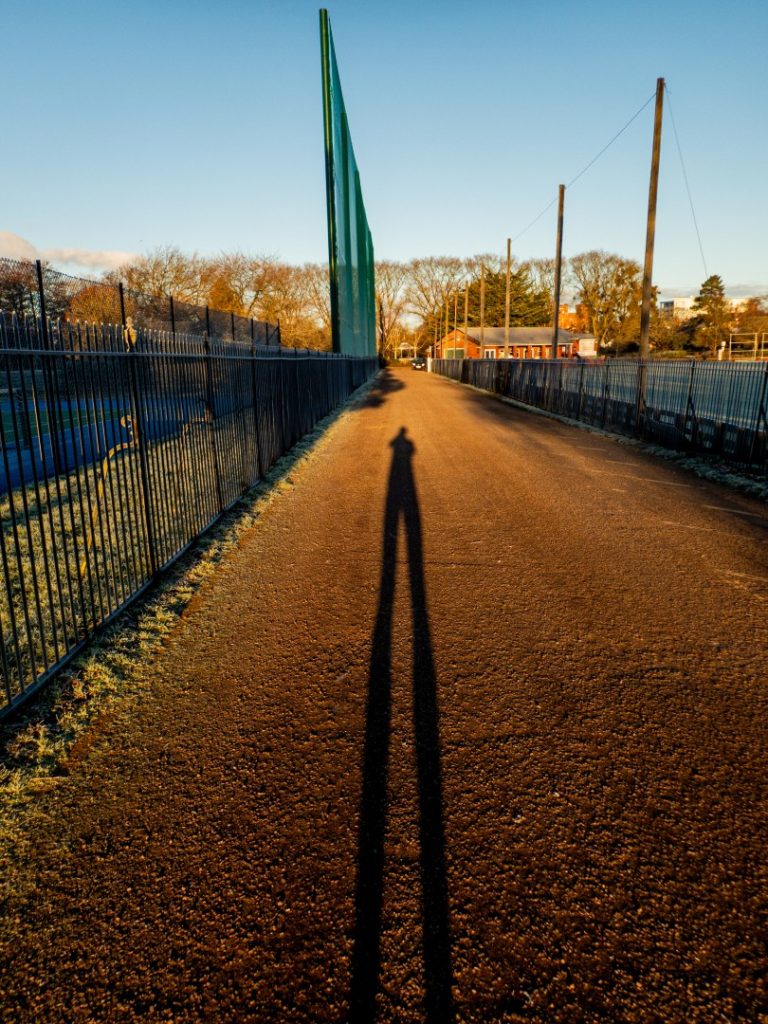
Luckily for me Amazon had a deal on the camera, selling it for significantly under its RRP, so I snapped it up ready for its first use on our 2024 summer holiday. That holiday I was cycling more often than I was running. It came with me on every run holding it in my left hand just as I used to with the blue Panasonic, but only the bike rides when the weather was poor, which turned out to be around half of them. When it was sunny the RX100 VII was used.
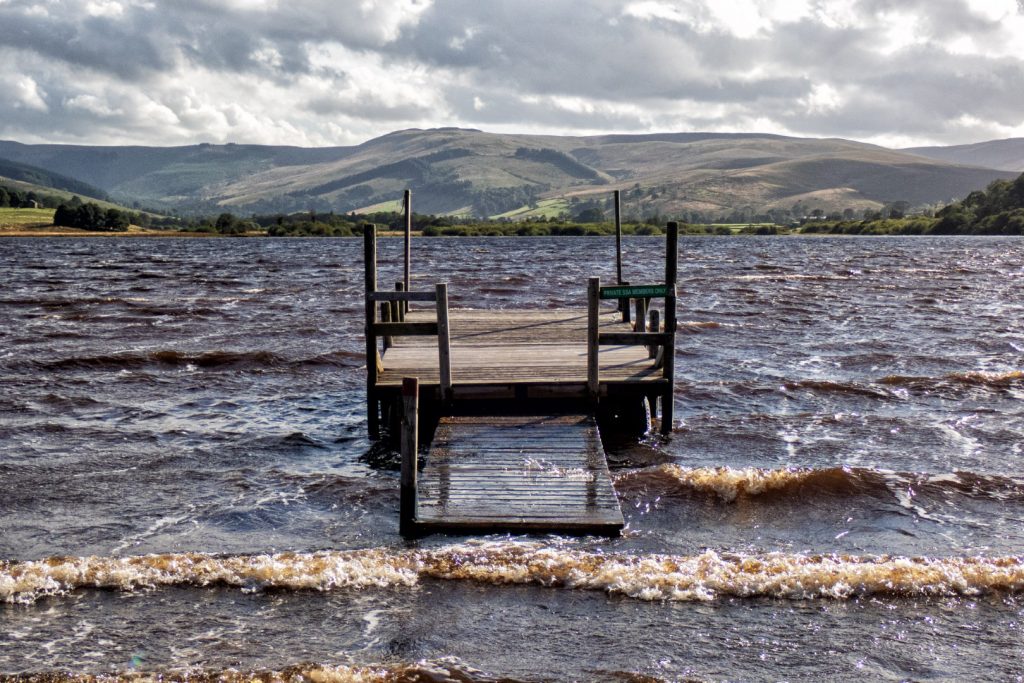
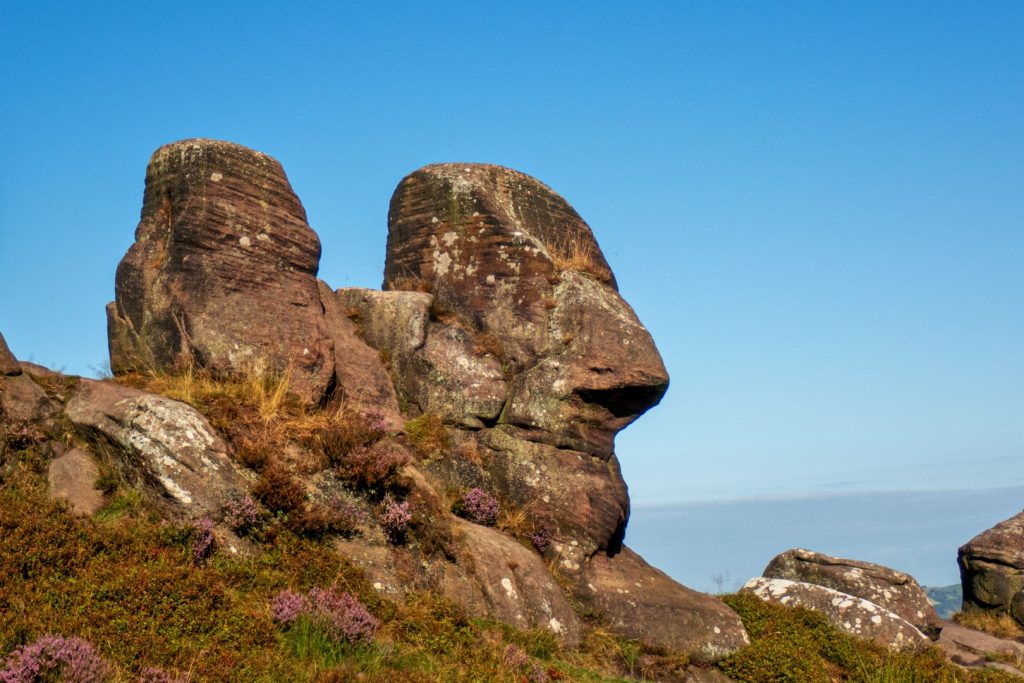
I’d heard that the lens, although protected, could get scratched quite easily, so I went and bought the filter ring adapter that allowed me to fit a UV filter and a lens cap. That, over the course of the year, turned out to not be the best of choices – removing the lens cap being a bit of a Pfaff every time I wanted to use it – and then almost losing it when out running in Wales back in July, only by extreme good fortune finding it perched on a fence post where it had knocked itself off the camera, but not rolled away down a hill – and the UV filter being prone to steaming or fogging up – especially when the camera had been submerged in water as it is designed to do.
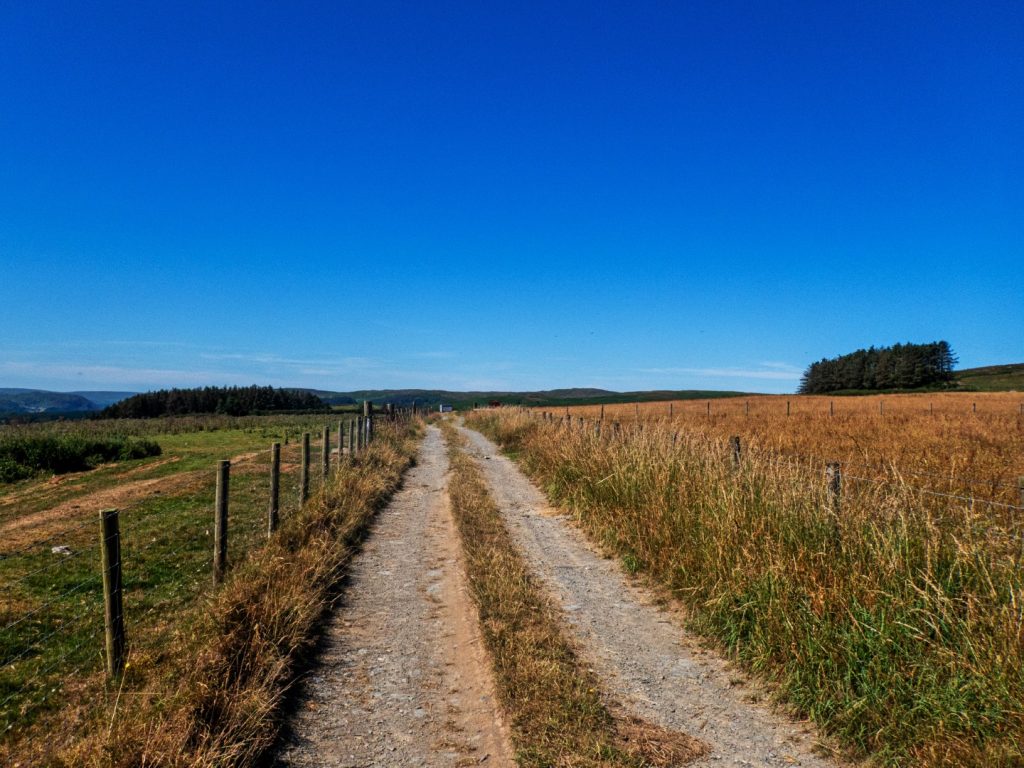
A couple of months ago I invested in the ridiculously overpriced lens cover (£47 as I write this currently on Amazon for the official version) which does a much better job of protecting the lens and being quickly openable – It should really be supplied with the camera when purchased. I also took heed of the reviews and bought a screen protector for the easily scratched screen, a screen that annoyingly doesn’t like polarised sun glasses, which I often wear when out exercising…..
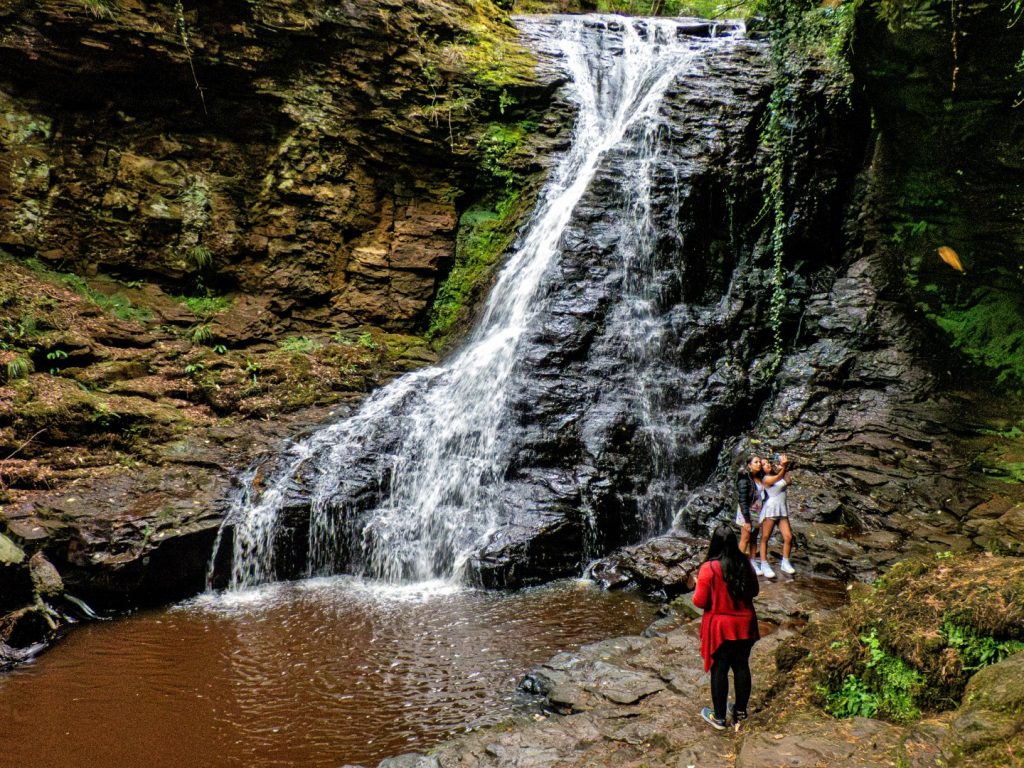
Although there is an aperture priority mode of sorts on the camera it is limited to just a few settings and because of the small sensor size, I don’t find an awful lot of difference between F2.0 and F8.0. There is no shutter speed priority or manual control, which for me is a little limiting but I’ve got used to it. After restricting the camera to go no higher than 1600 ISO (Things get really messy much higher than that) I tend to more often than not shoot in Program mode, which tends to do a pretty good job of getting the settings as I would probably do anyway. It’s should be seen in this regard as a point and shoot camera.
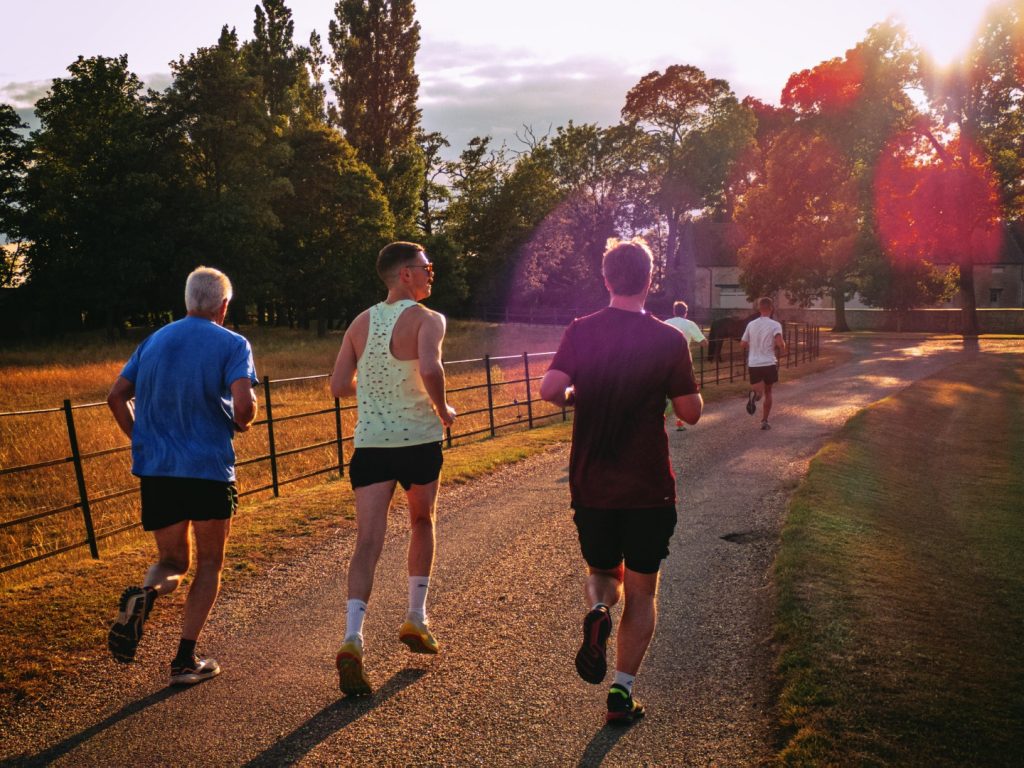
Talking of the small sensor size, 12MP is really on the low side these days – still capable of producing an image that looks fine for most use cases, but definitely doesn’t allow much room for cropping – which takes a bit of getting used to when your other camera is the 61MP Sony A7RIV. I have to say I don’t really like the JPEGs straight out of the camera – they are flat (Although I have them this way so I can edit them with Snapseed on the phone when not near a computer) and full of jpg artifacts. On a phone they look okay once edited in Snapseed (Where I tend to create an old film look for my style) but the limitations are apparent when blown up on a 32″ monitor.
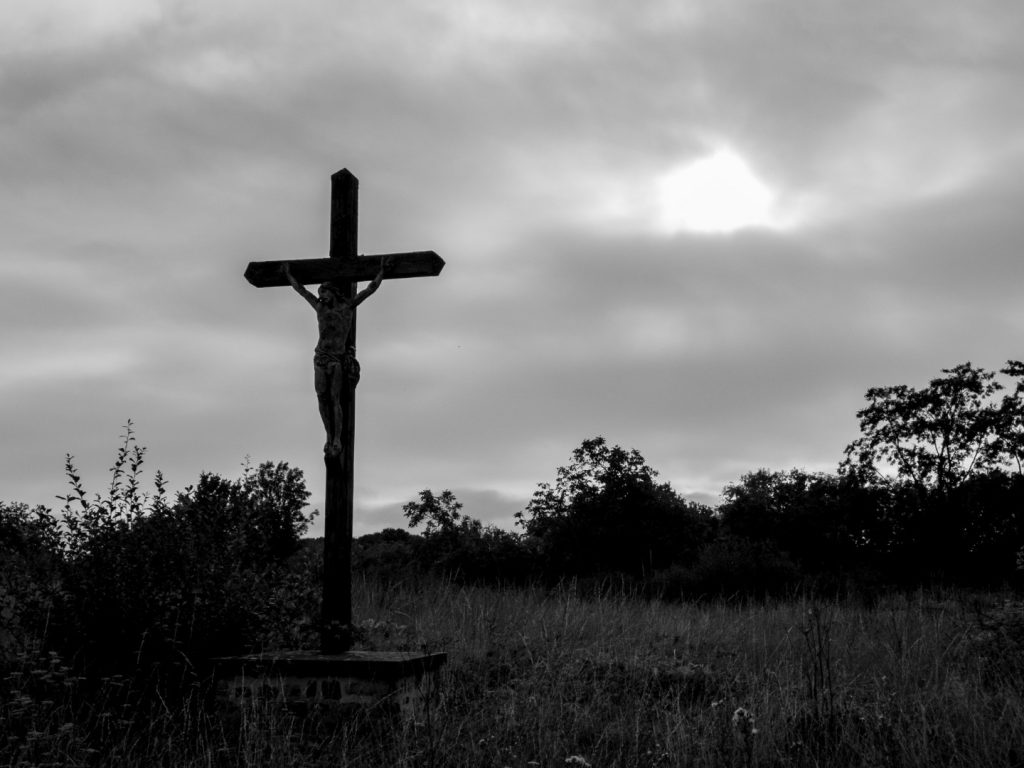
This lack of JPEG image quality is somewhat made up by the pleasing, in my eye anyway, images that can be produced when I edit the raw files in Photoshop. More often than not the colours produced are pleasing to the eye and can have that old film look that I like for images of this nature which are going to mostly have a snapshot camera look to them because of the limitations of the sensor. It’s not realistic to expect this camera to have anywhere near the fidelity that my dedicated cameras and their lenses can offer, but they look perfectly acceptable on my 48″ TV and I can edit them more successfully than with pictures taken on my mobile phone.
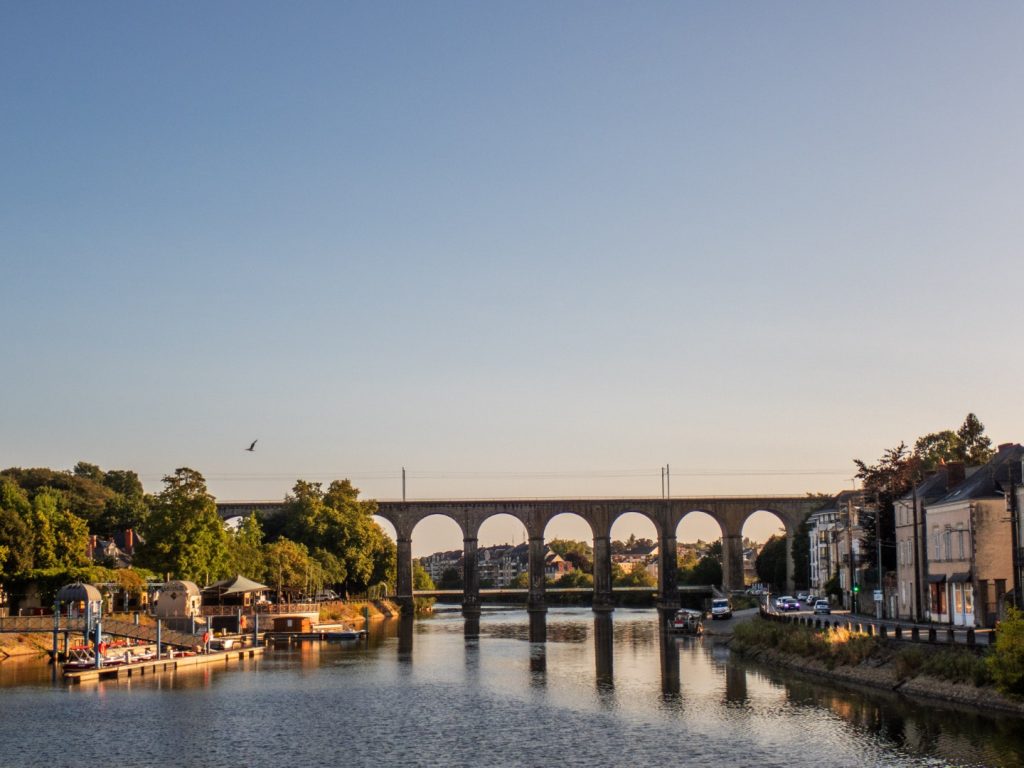
It’s small sensor is probably the #1 feature of the camera that users or potential users of this camera would like to see improved – me included – but I understand that to fit a larger sensor in the camera would make for a much bulkier product, which I’m not really sure I want. Its compact size is a real bonus – with no need for a case it fits easily in my hand when out running and in a back pocket of my jersey when cycling. It fitted easily in the pocket of my wife’s trousers when she recently completed the Coast to Coast walk – the benefits of its rugged design won the day in most cases over using her mobile phone to capture pictures along the way.
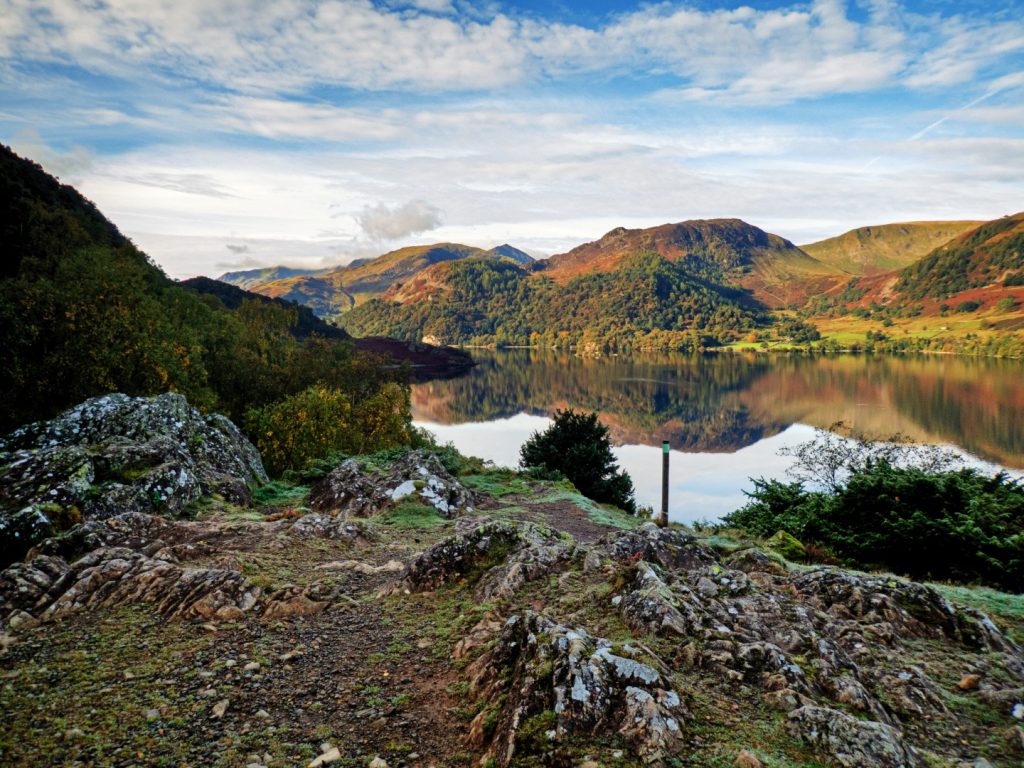
As with micro 4/3s cameras and the benefits the smaller than full frame sensor can provide, a trick up the TG-7’s sleeve is that is surprisingly capable as a macro camera. With several macro modes – including focus stacking, even the simple macro mode can produce good looking close up images far more easily than a larger camera can. This has come in handy on several occasions, such as on a walk around some gardens when my daughter was given the camera to take some close-ups of flowers, or when you come across some random fungi on a run. The macro mode also works in the 4K video mode too, which looks pretty good and is easy to use.

Another selling point of the camera is its built in GPS and its ability to tag pictures with not just location data, but elevation data with its barometer, and temperature too – which are nice features to have, especially when exploring more rugged terrain. Given that all my other cameras rely on obtaining GPS data from my phone and the software to be running and operating properly, this is very convenient. However, for best results you are reminded when opening the camera’s phone software that GPS data needs to be downloaded and added to the camera every 14 days to speed up its ability to locate satellites. If you forget to do this it can take many minutes for the camera to obtain a GPS lock, which is hardly ideal, especially if the photo opportunity is a fleeting one. Moreover this prolonged wait for a GPS can be repeated each time the camera is turned off and on.
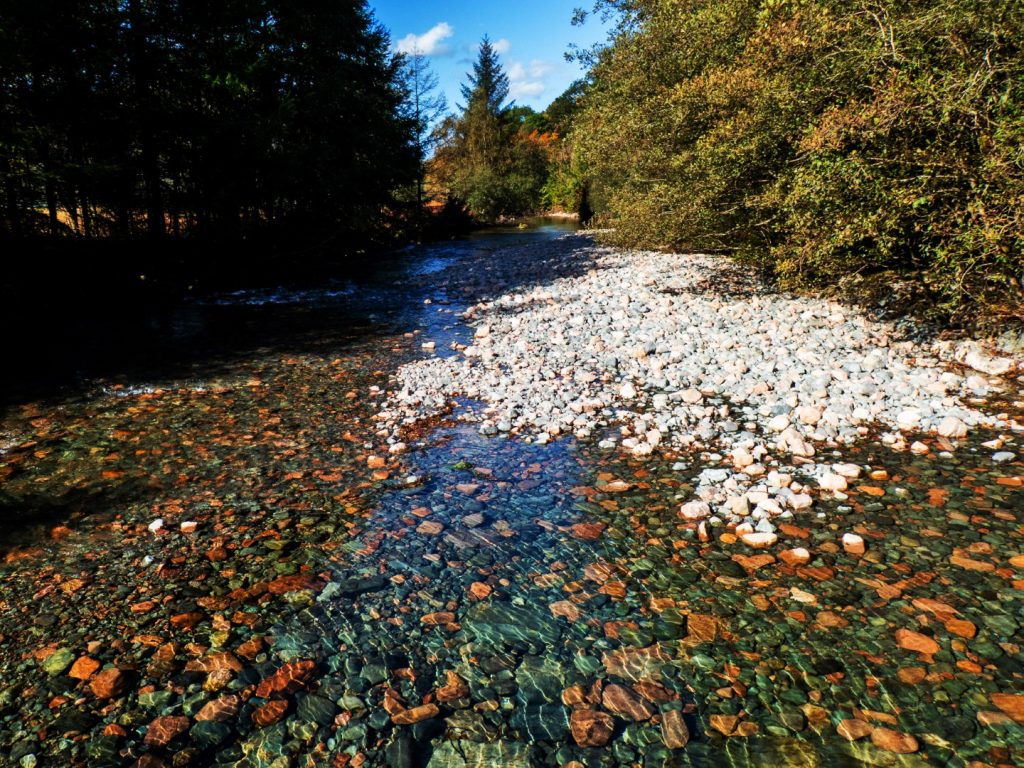
If you do add the GPS data to the camera, after the initial GPS acquisition, the camera should only takes a few seconds to re-find the satellites when the camera is turned off and on again, usually more reliably if the log function is switched to on. Be aware that the log on function, which keeps the GPS on, is a battery drainer (especially if left on overnight which is easy to do). Even when the log is on and GPS data is up to date, I do find that the camera often takes longer than it should to acquire GPS, certainly longer than when my Sony software is working properly, which is fairly instantaneous.
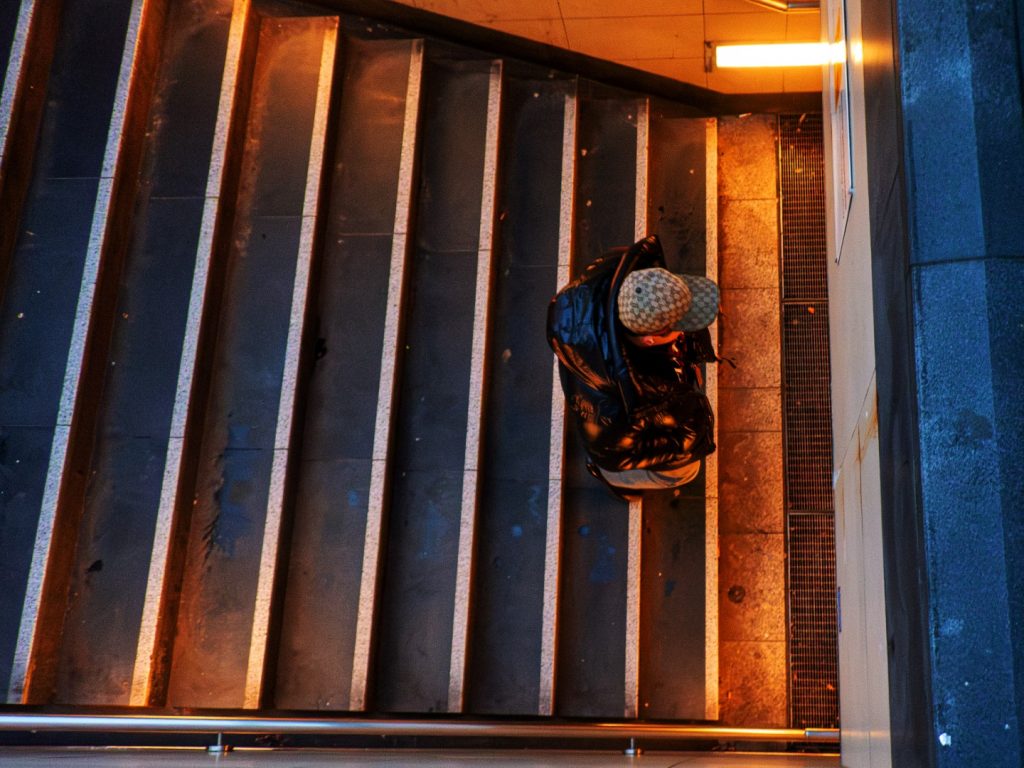
Battery life has been better than expected. Other than when I’ve gone to turn the camera on and found it to be dead because the GPS log was on (more than once, annoyingly), it’s easily lasted a day or more of shooting. It should be said though that is use case is somewhat different to my other cameras – it is mostly used when I am exercising and when I photograph when out exercising it tends to be the odd picture once in a while rather than shooting continuously for hour after hour. So it’s fair to say I haven’t really stress tested it, but for my usage it is fine.
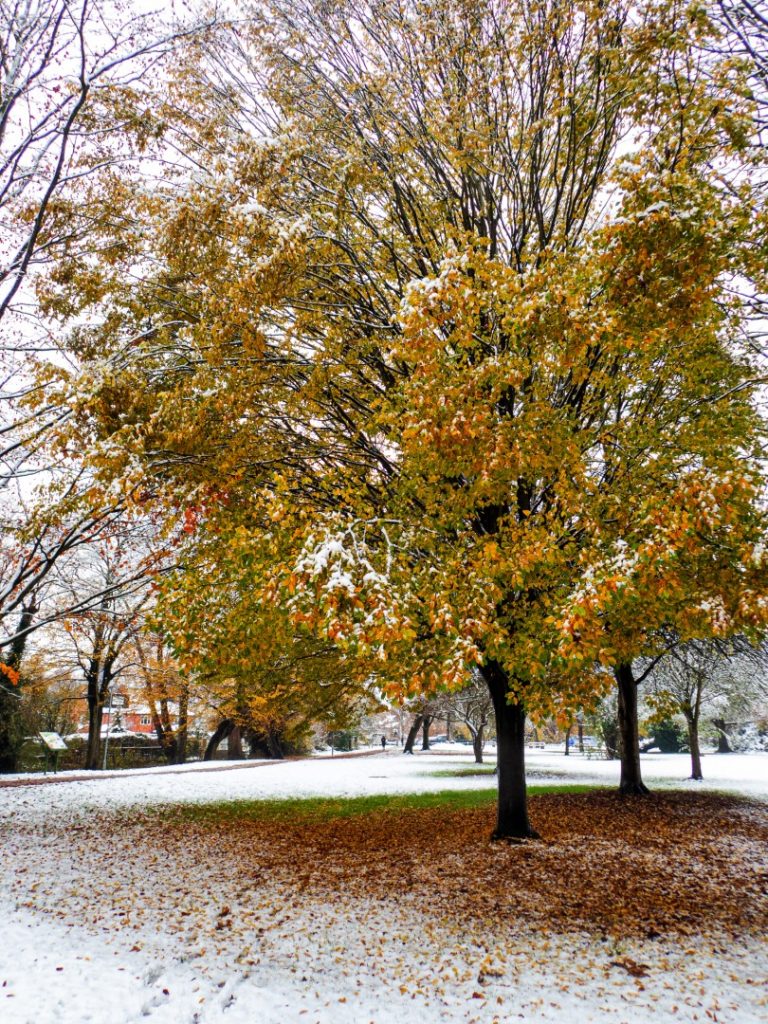
I’ve now owned the TG-7 for nearly 18 months and I have to say I am very pleased with my purchase. It came into its own when I took it out running on this day last year in the aftermath of a snow storm and took some of the most memorable snow pictures I have taken. It’s come out with me on most bike rides and although it’s not seen a huge amount of use, that’s partly because many of my bike rides have been on the same familiar routes. It definitely worked well in documenting my longest ever bike ride back in June and capturing some sentimental café stop photos. And back in July on a family trip to Wales it captured perhaps my favourite images of the year on a scorching hot day.
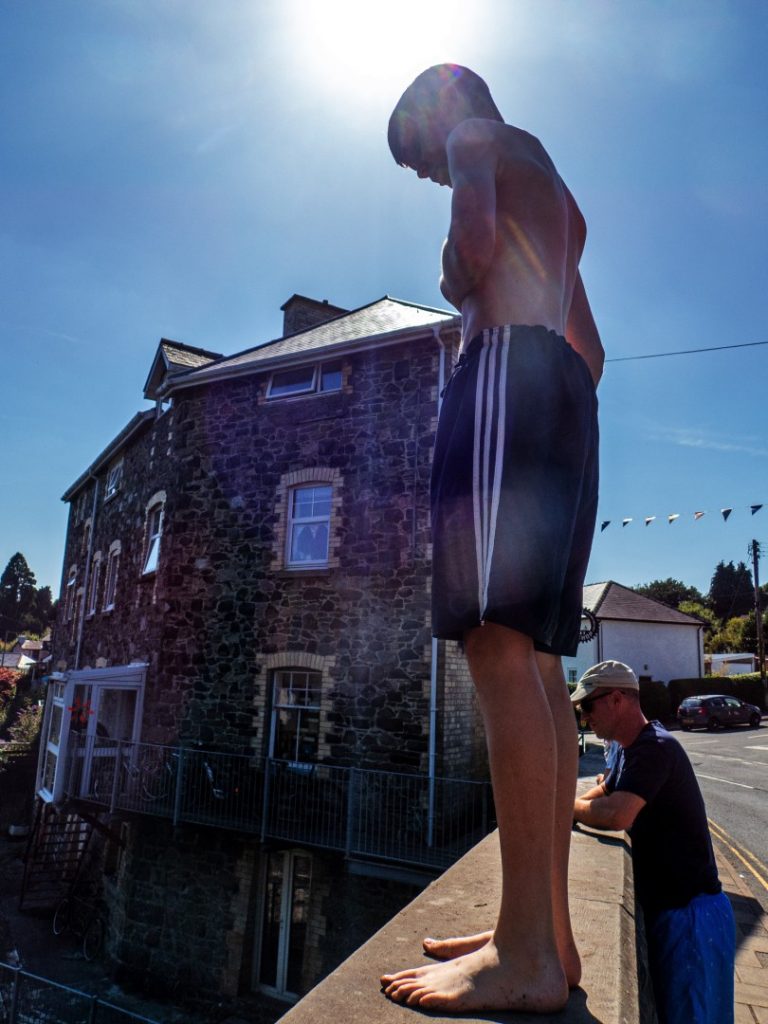
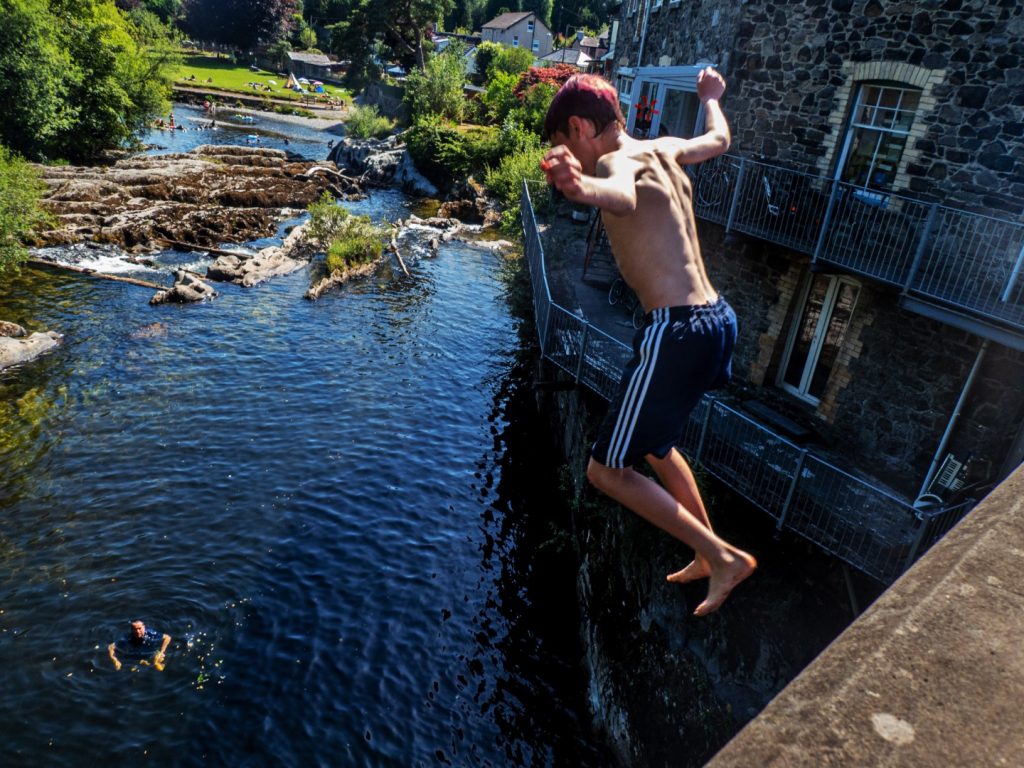
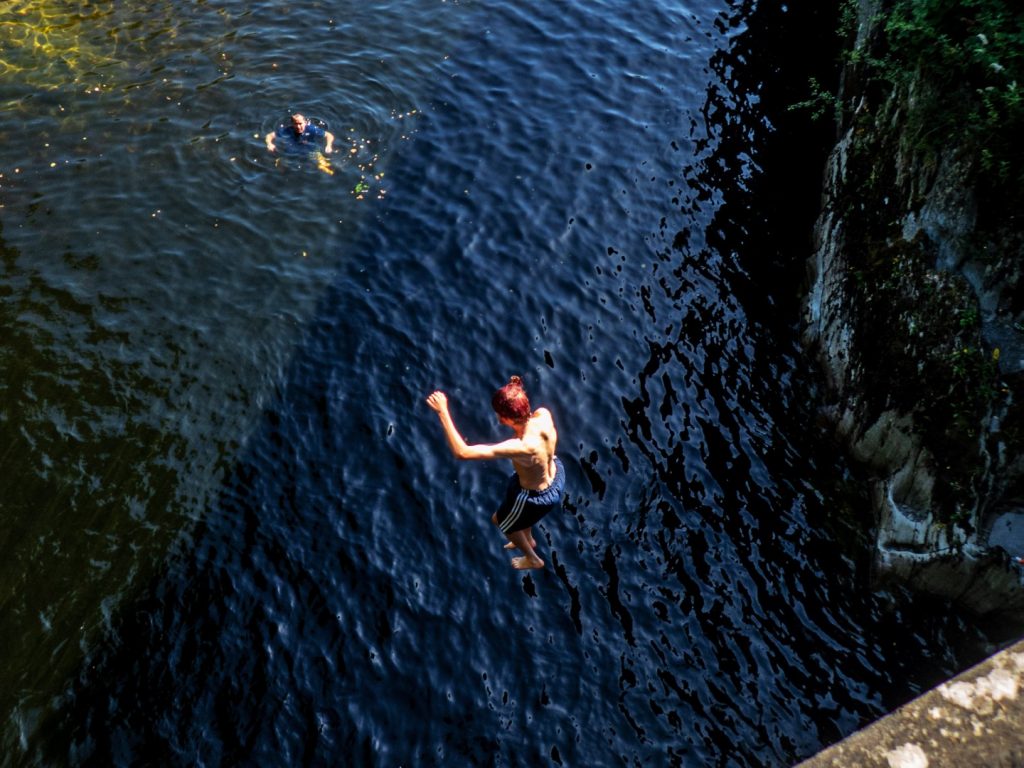
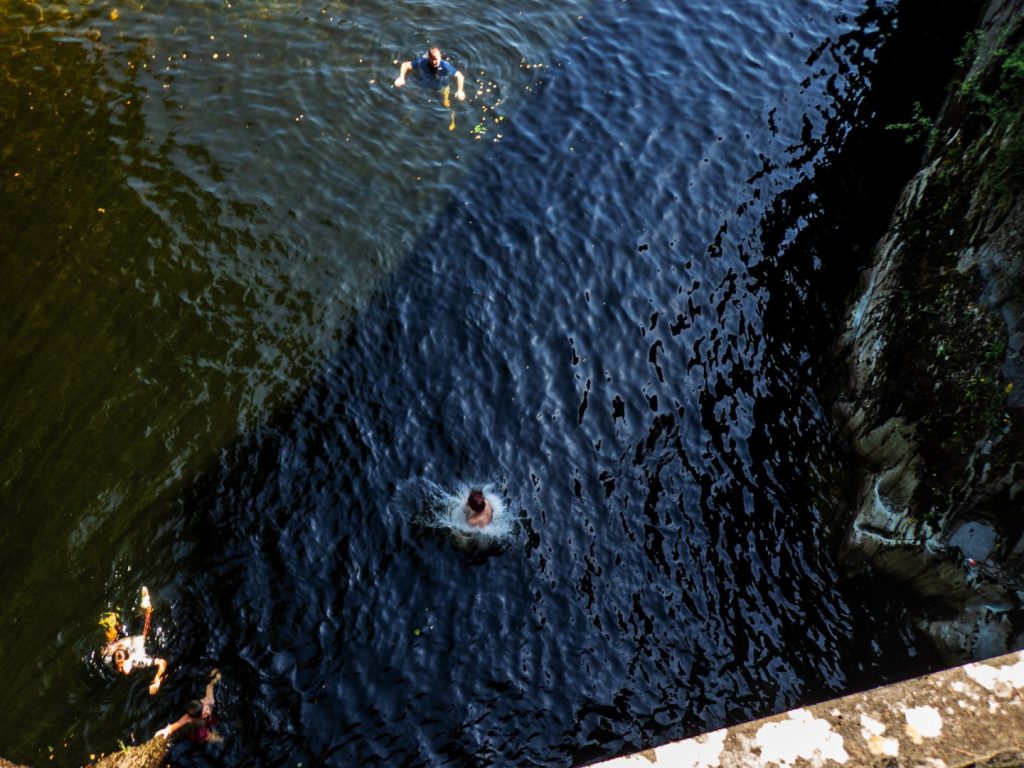
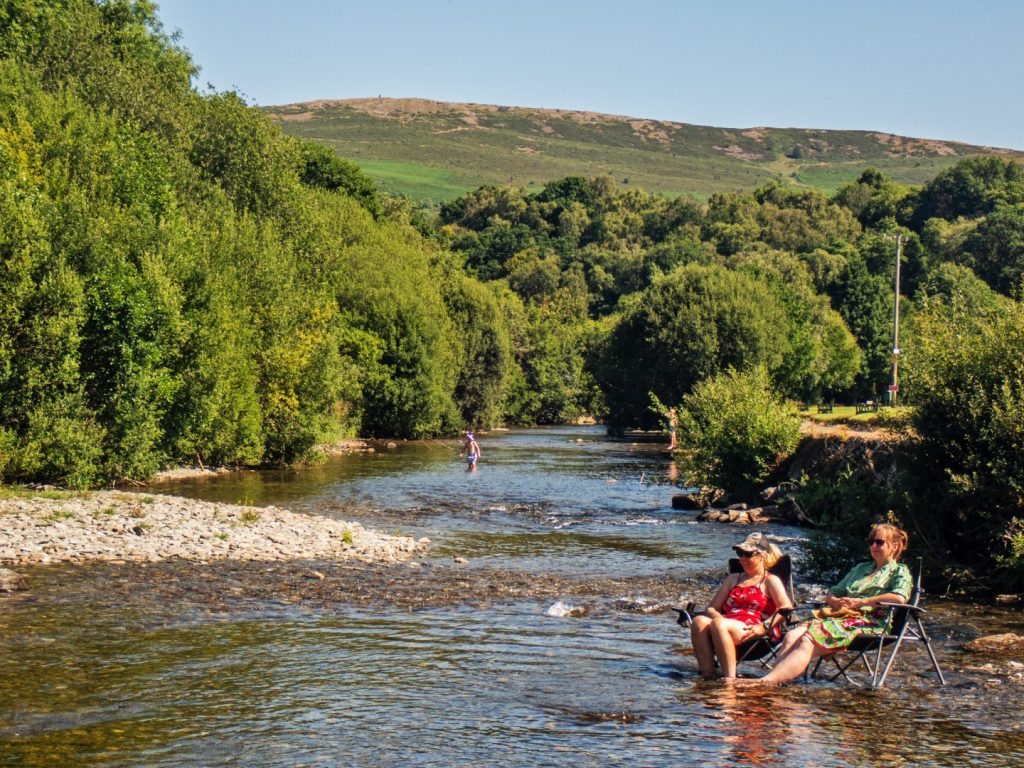
The image quality is not amazing – the purple fringing / chromatic aberration is the worst of any camera / lens I own. I am not really a fan of the straight out of camera jpegs, but the edited raw pictures are pleasing and I much prefer them to what its nearest competitor, the mobile phone, can produce. It’s more convenient and easier to use than my phone camera, especially when out on my bike my phone is stowed in a waterproof case to avoid a repeat of grit in the USB port which severely affected a previous phone. The TG-7 does exactly what it’s designed to do and does a very good job. The dream TG-8 would be able to house a sensor of around 20-24MP, have a snappier GPS lock, and be able to have more manual control of the camera, but the reality would likely be a larger and significantly more expensive camera.
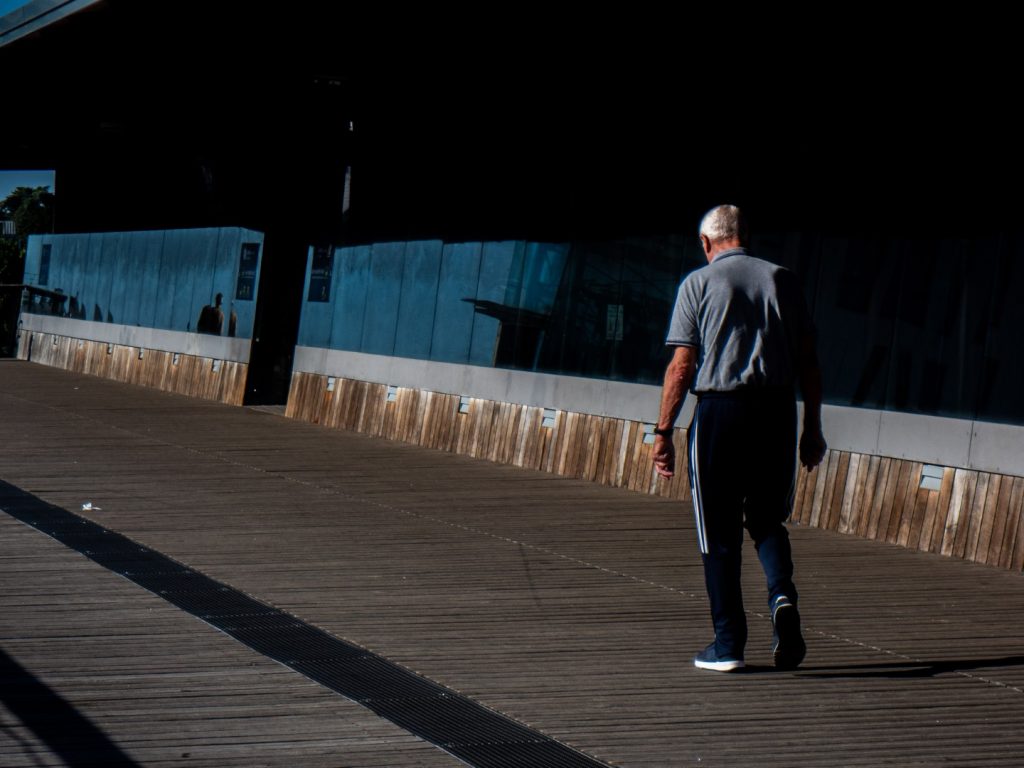
Given the price of second hand point and shoot cameras is sky high currently then £350 or so currently for a new TG-7 is very good value for what you get – especially as in my eyes it mimics a lot of the old school digital camera image aesthetics that is in vogue currently but also offers a whole lot more. Furthermore the older, but very similar Olympus TG-5 and TG-6 models can be picked up second hand for significantly less.
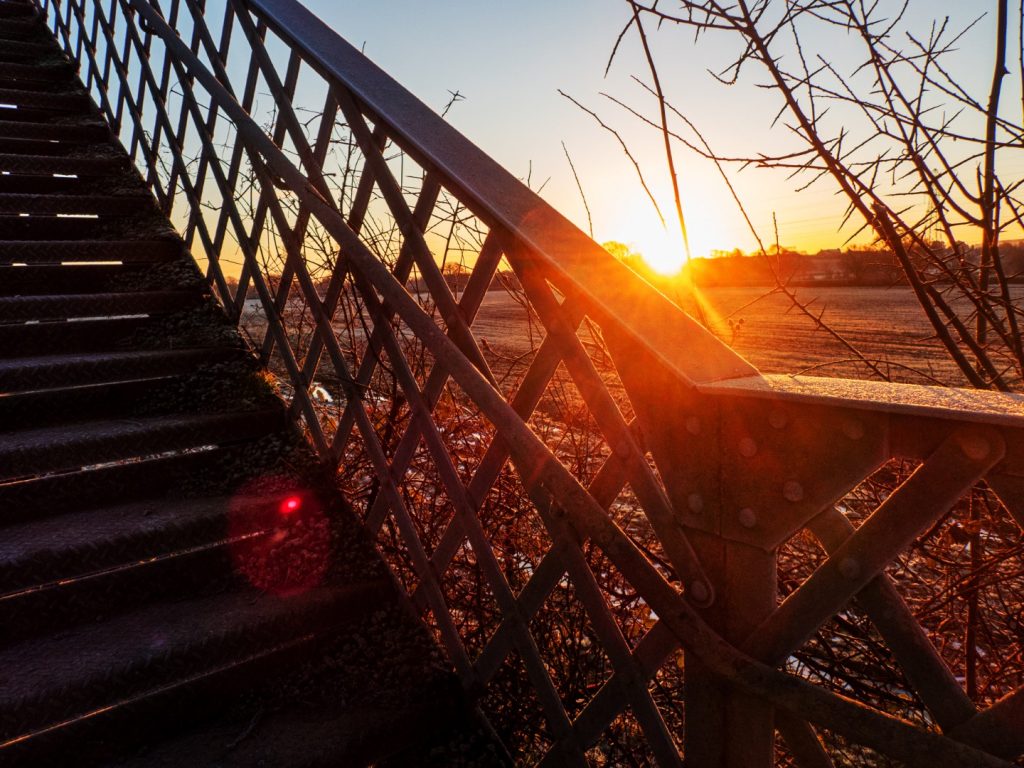
If I could only have one camera it would not be this, but as an instrument that allows me to continue something that I began doing way back when not many would be out running and taking photos, it would be in the top three for sure. Highly recommended!
Leave a Reply