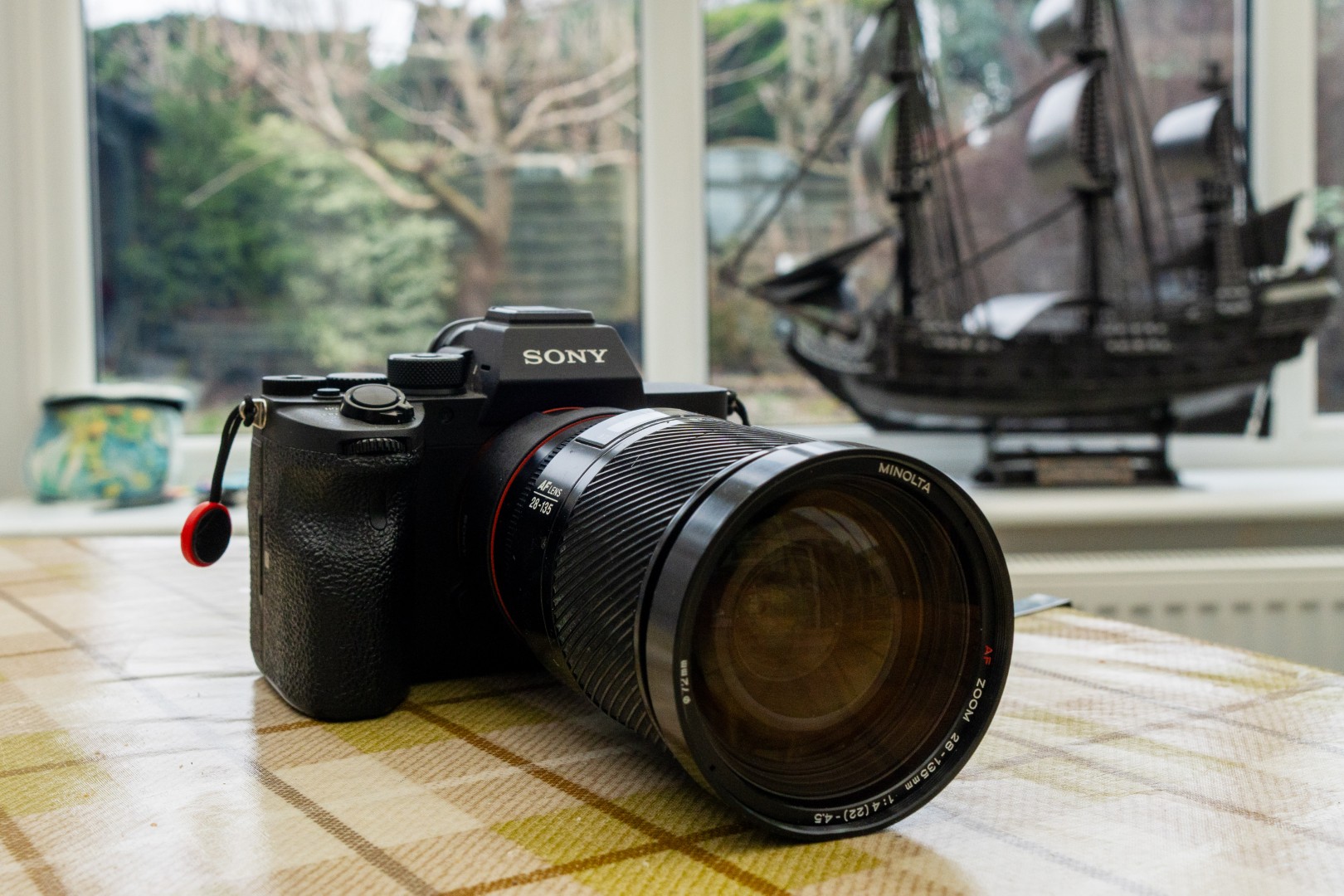
The Random Lens Generator threw up a combo I was looking forward to testing in dependently of this exercise, so was happy when it married the Sony A7R IV (again!) with the Minolta AF 28-135mm F4-4.5. After a spell away from buying old Minolta glass I took a punt in early September 2025 on this lens when I noted CEX was selling a copy. Although I have a variety of Minolta zoom lenses covering this most of this range – the 35-70, the 35-105 (x2) the 100-200, and the Beercan (70-210), acquiring the 28-135 was intriguing on a couple of counts.
Firstly, although I have these zooms and the Sony 18-55 f/2.8 (APSC lens) I don’t have a great number of zooms, and this lens covered a versatile focal range. Secondly, as a long time follower of Dyxum, this lens has had a lot of reviews (over 200) and during the A-Mount heyday it had something of a cult following, with owners referring to it as the secret handshake lens for reasons that are not altogether clear. The overall score of 4.42 out of 5 is not massively high for Dyxum and reviews are very mixed – bad copies seem to be in abundance, but good ones were revered for their sharpness and classic Minolta colours. Copies were being sold for low three digit sums, so I thought that when I stumbled upon this one for just £40 it was worth buying.
Once delivered and after a few positive test shots to confirm that I had a good copy (Hurrah!) it was used in anger for the first and, until now, only time when covering my wife’s final day heading to Robin Hood’s Bay on her Coast to Coast walk. I used it with the A6700, giving it a full frame equivalent of around 42-206mm, and was super impressed with how it performed – AF was fast and snappy using the LA-EA5 adapter, images were tack sharp, portraits flattering with just the right level of smooth bokeh and the colours the best examples of the classic Minolta saturated reds and greens I had photographed. And despite the all-metal and glass lens having some heft at 750g it made for a very comfortable companion on the sixteen and a half mile walk when using a camera strap, well weighted with the camera it stayed firmly at my waist with zero bounce.
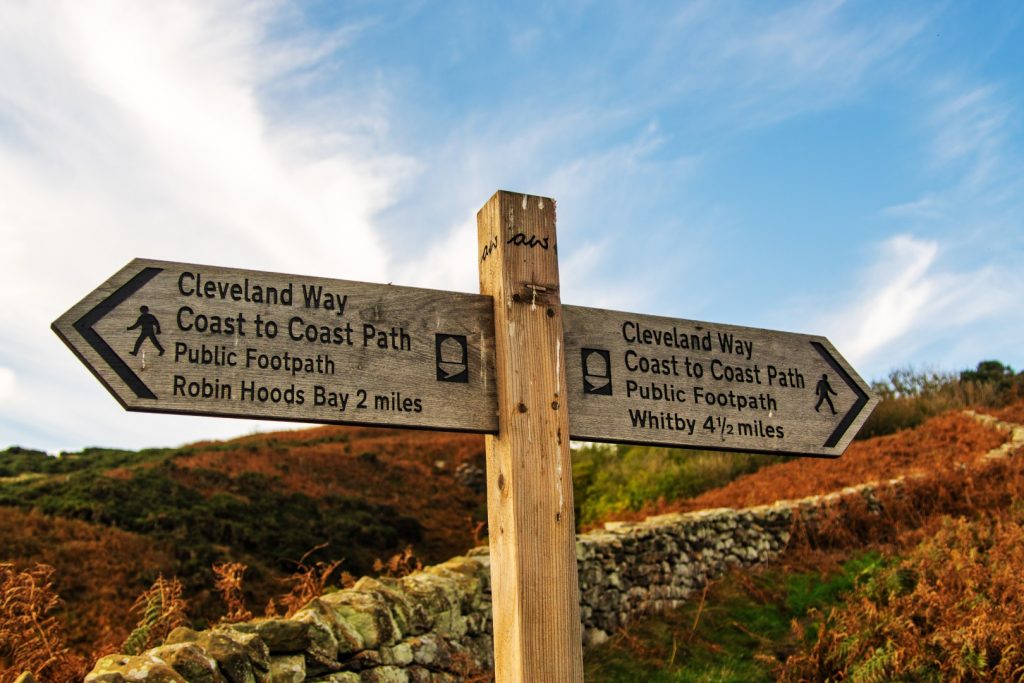
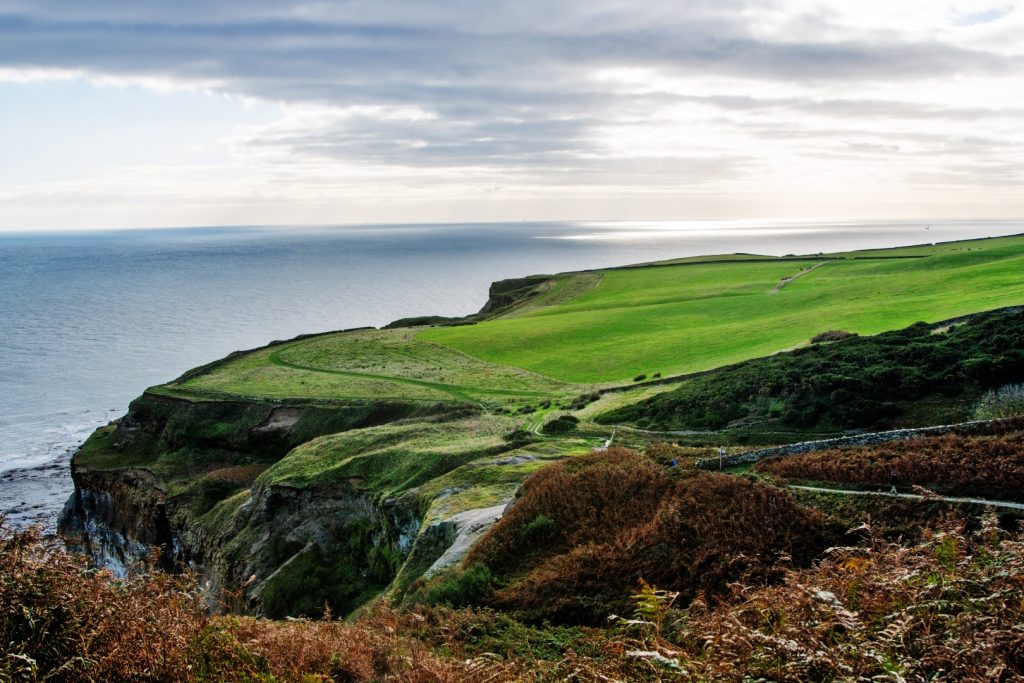
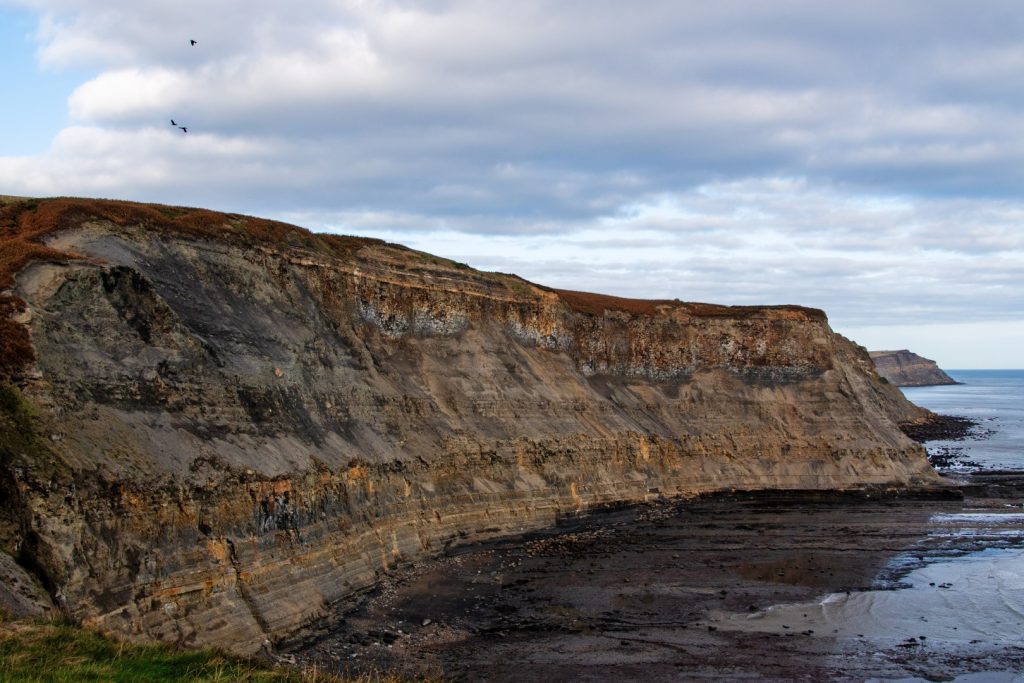
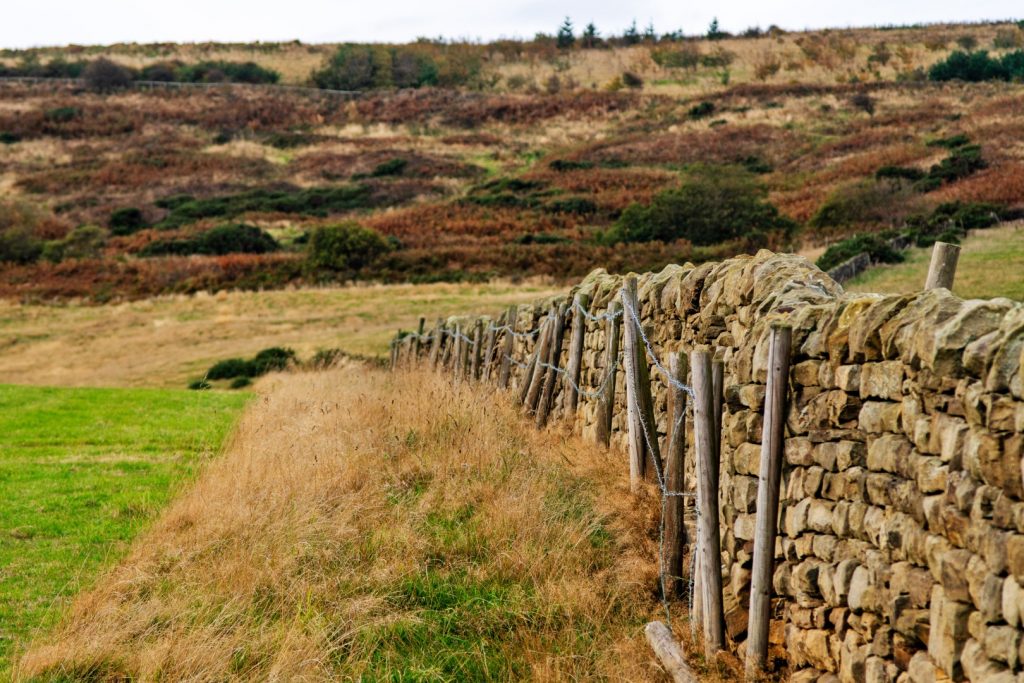
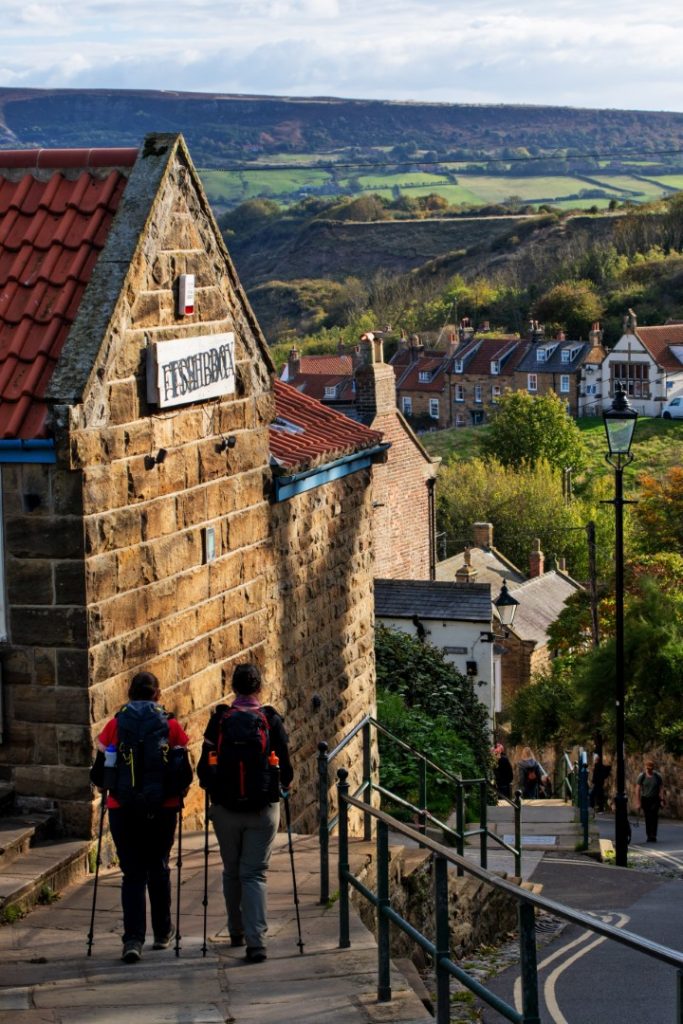
The lens is not without its flaws – a minimum focus distance of 1.5 meters makes it impractical for most indoor photography; it lacks a lens hood and it is very prone to lens flare; and, as with many lenses of this era, chromatic aberration can rear its ugly head in certain conditions. Ironically, my first experience with the lens flare produced one of my favourite pictures of the C2C walk, it accidentally highlighting the path upon which we were walking.
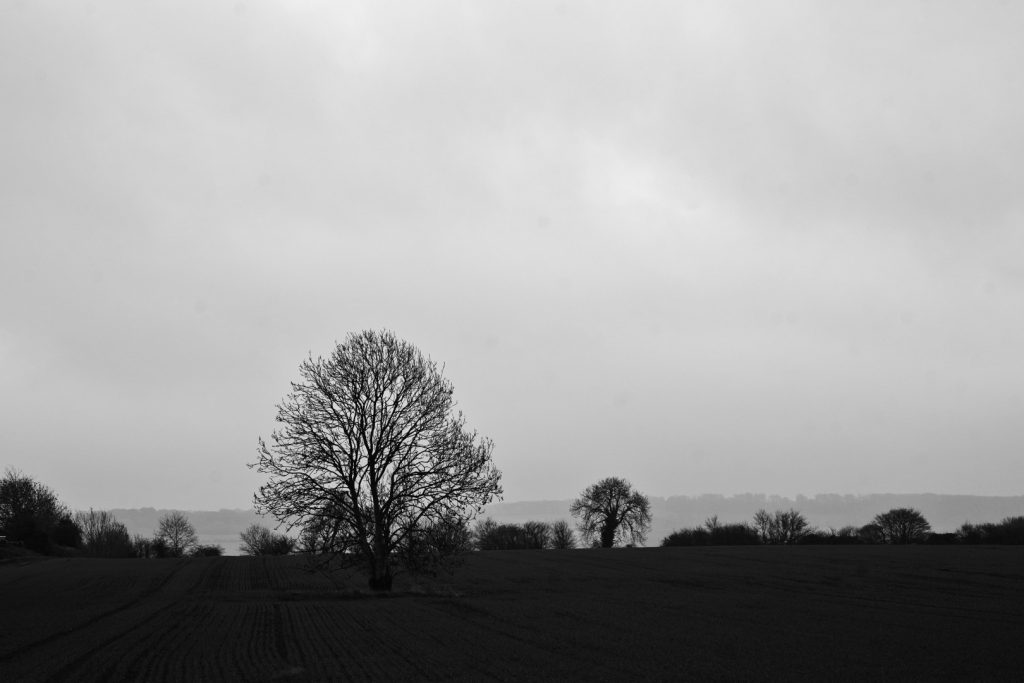
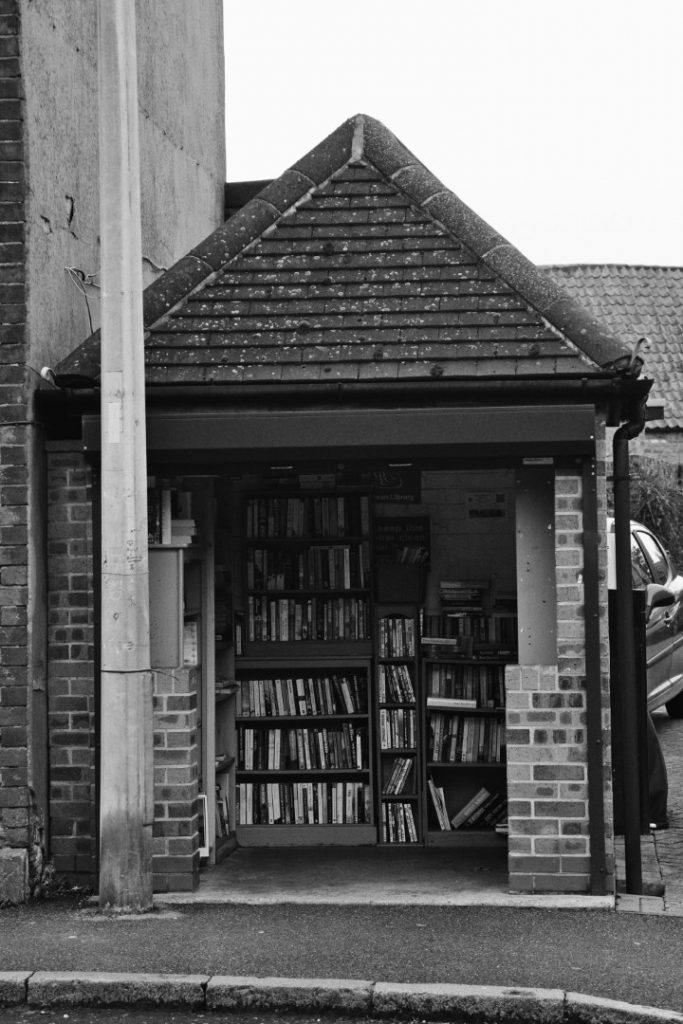
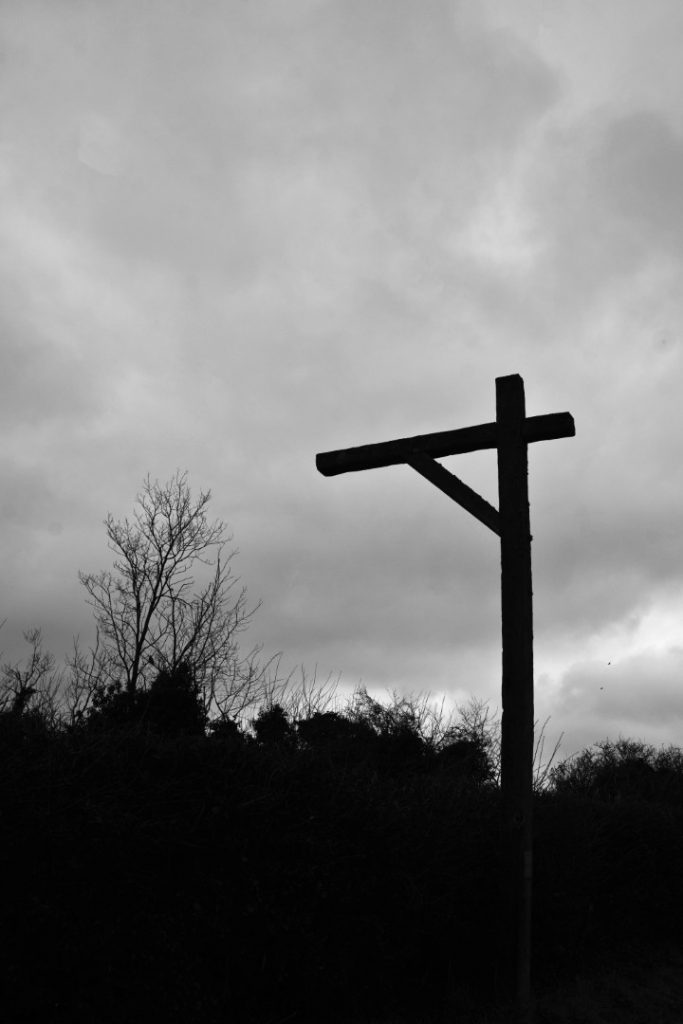
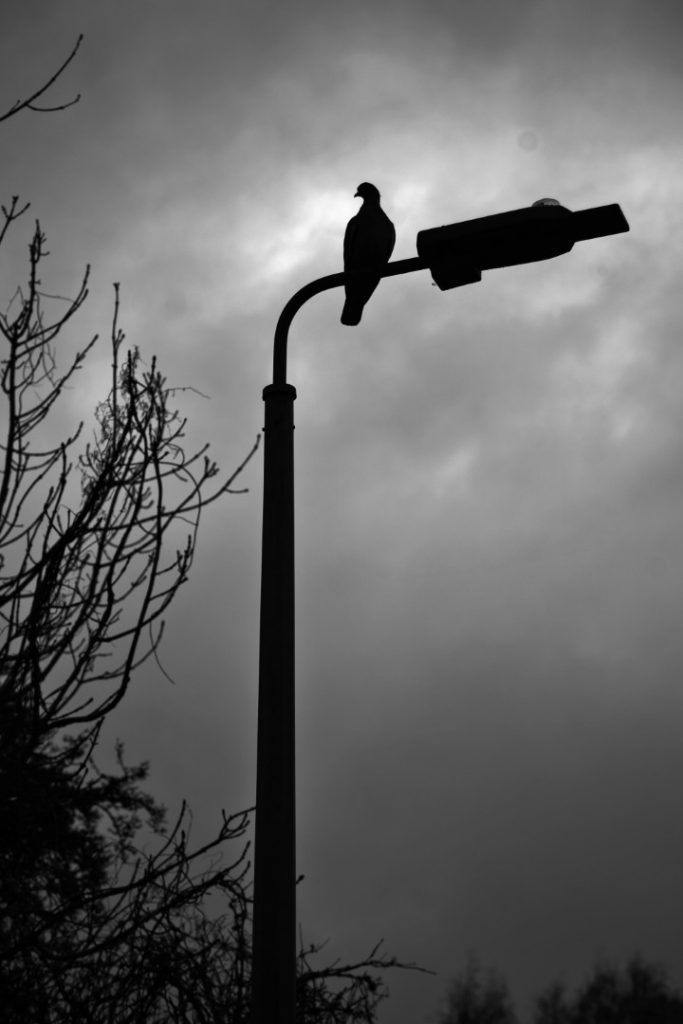
Considering it was the colours I was most looking forward to revisiting, it is perhaps ironic that I, once again, chose to shoot in black and white, then edit the raw files for colour copies of any images I liked. My first photowalk with the lens had me technically leaving Grantham and up the hill to Great Gonerby and back. It was a morning that wasn’t likely to show off the colours of the camera at its best – being shrouded in heavy cloud with rain threatening in the final minutes of the walk.
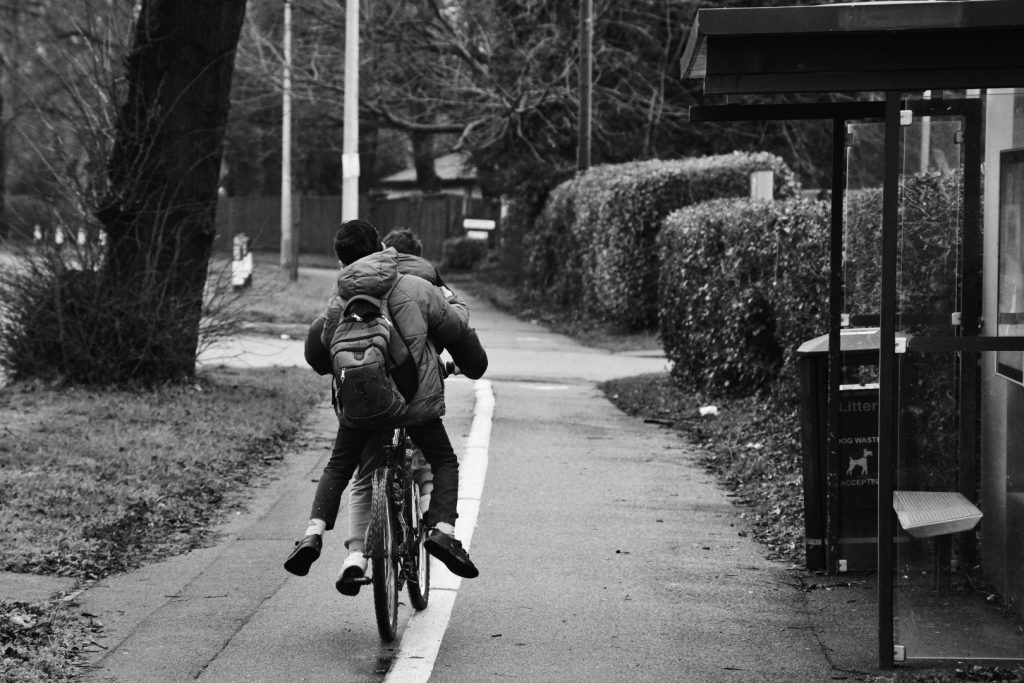
Straightaway I was reminded how much I enjoyed using this lens on the C2C walk. Although I don’t use zoom lenses that much, this focal range seems to suit my preferences well and was very versatile. The favourite shot of the walk came just a few minutes after setting off – these two young lads cycling past me, late for school, I presume. I relied on the AF and this is the first frame I took – pin sharp! I preferred the black and white original and, mostly due to the dull conditions, the majority of the images I took I preferred the BW over the colour equivalents:
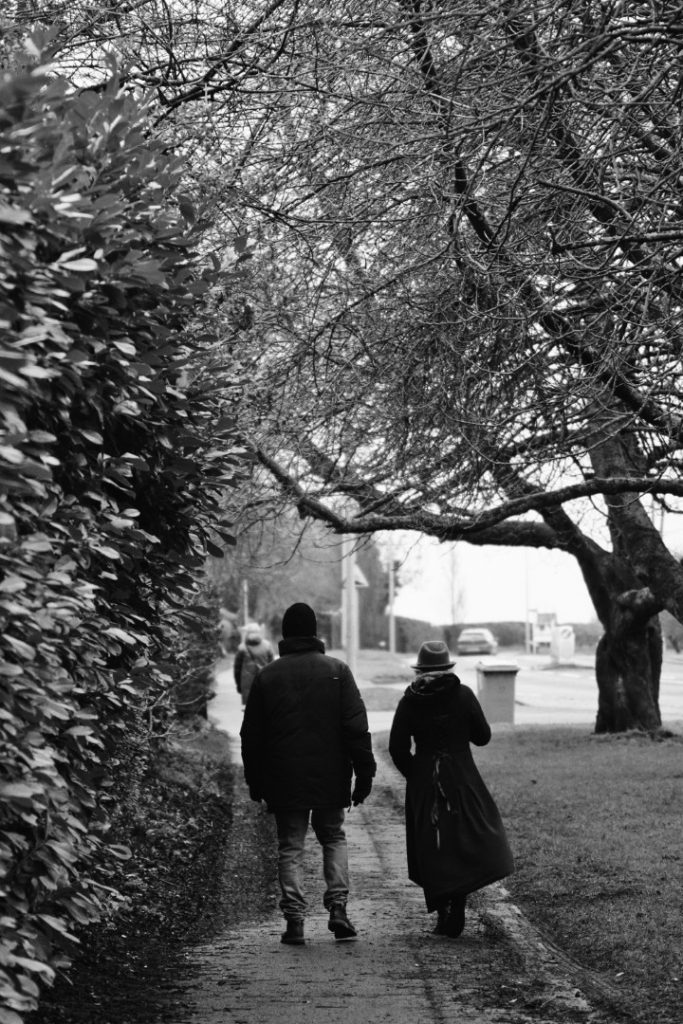
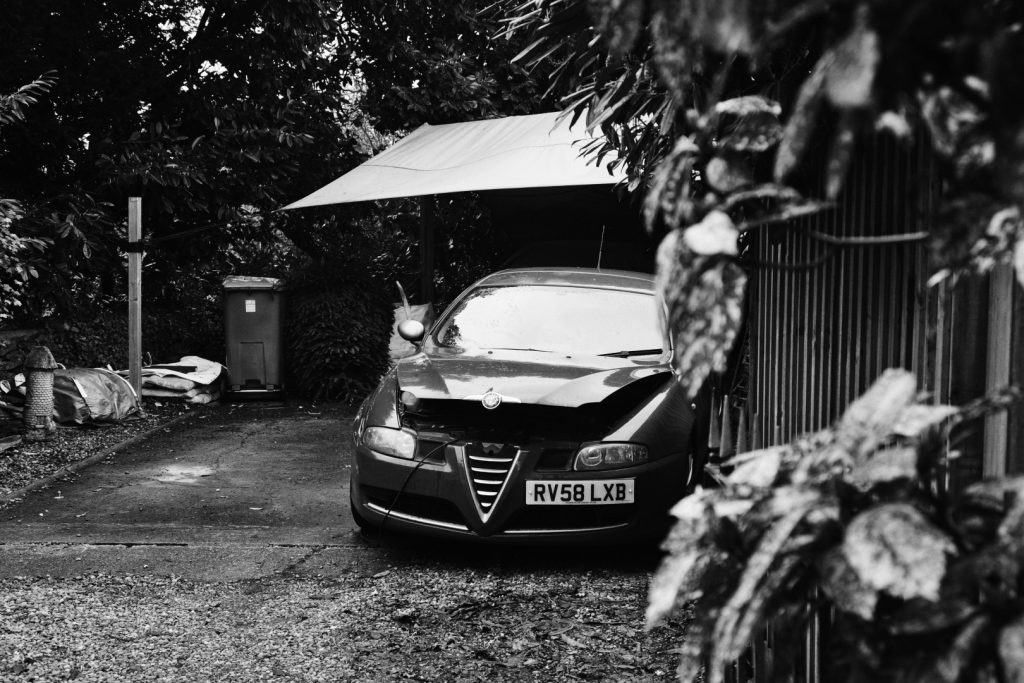
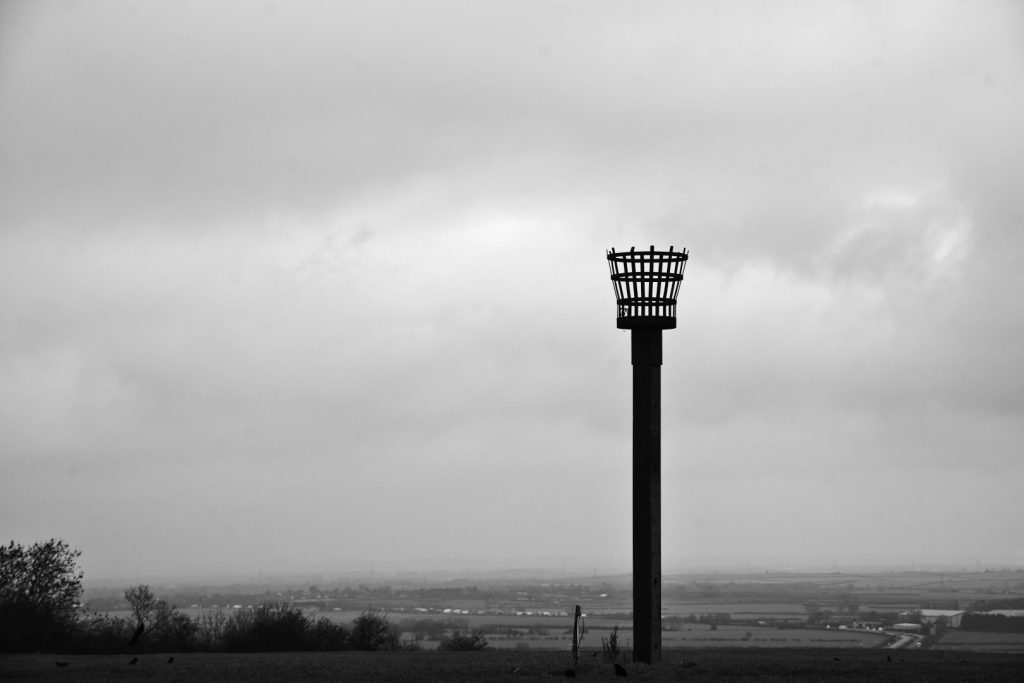
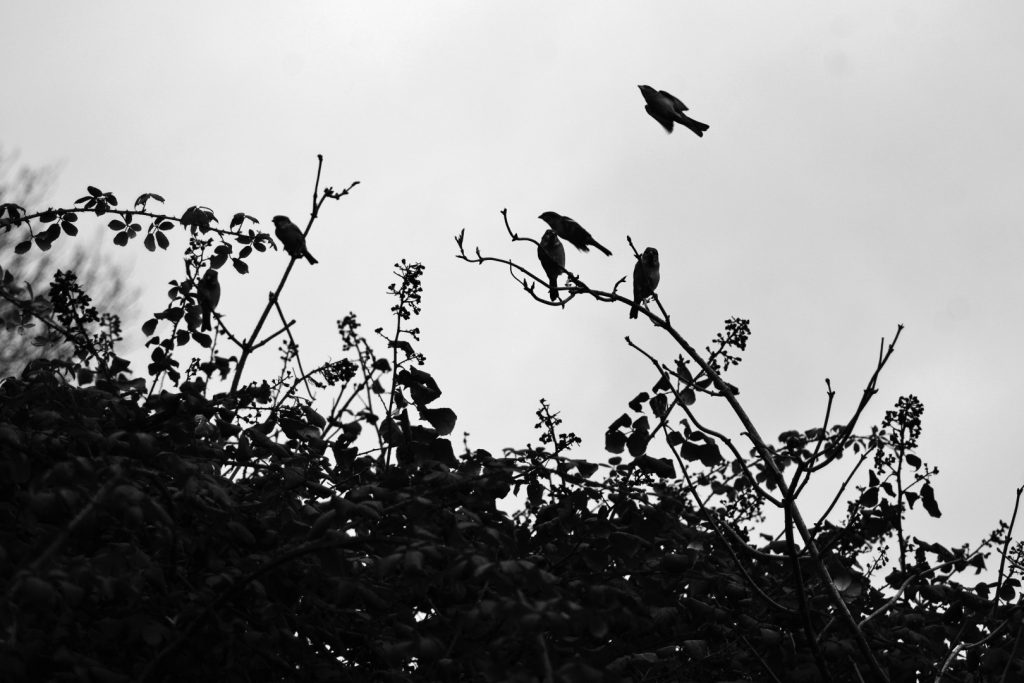
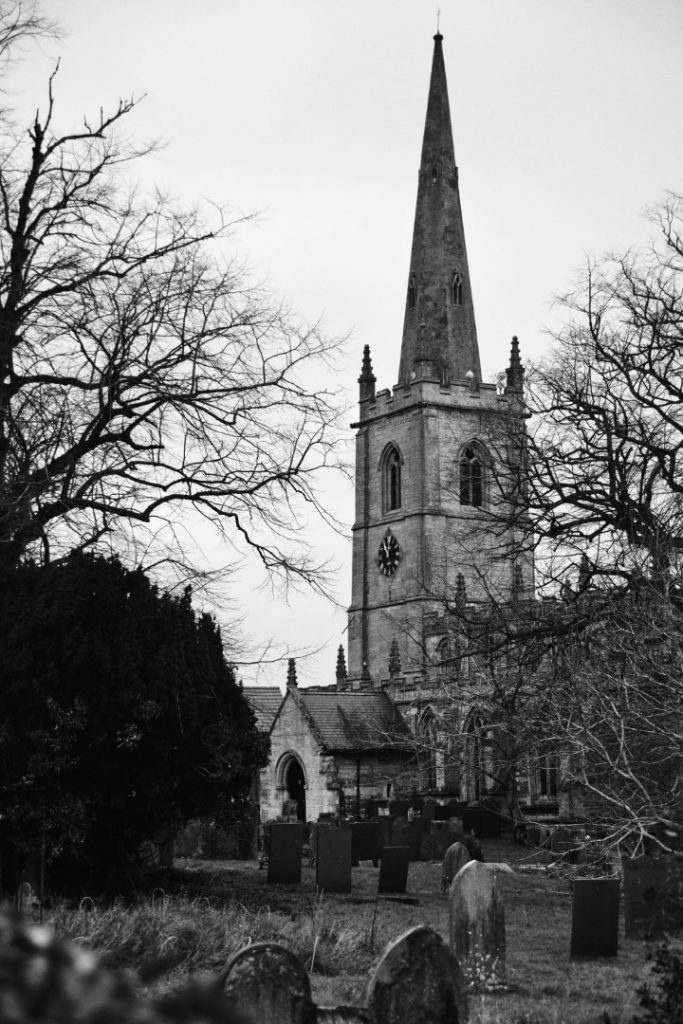
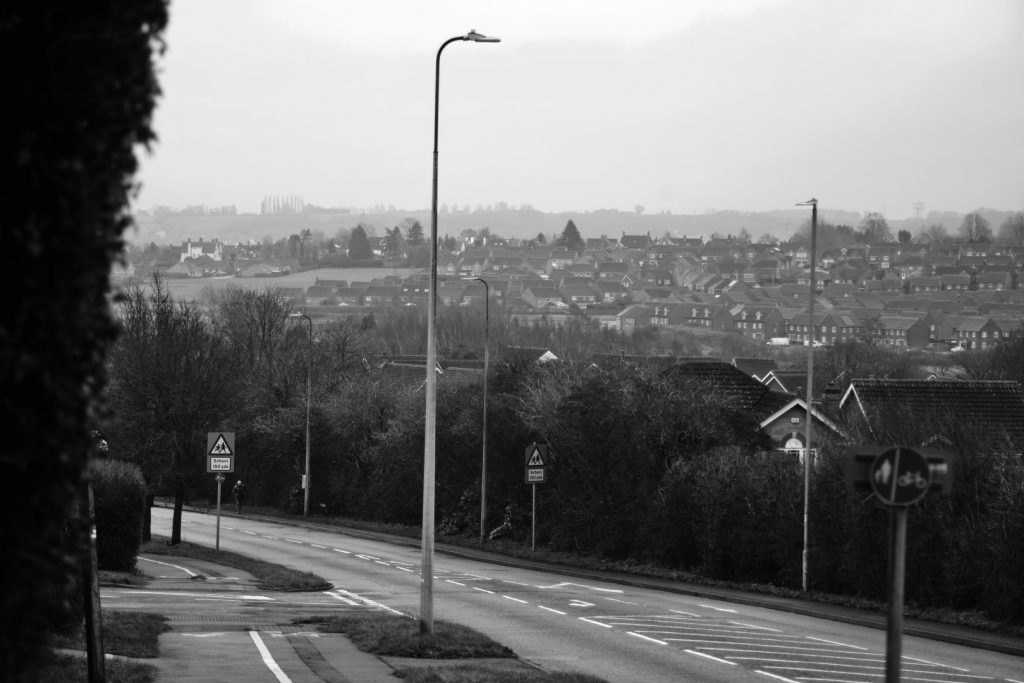
The edited colour photos gave a hint of the Minolta colours that I really liked when on my autumnal walk, albeit not as vibrant in the depressing January gloom:

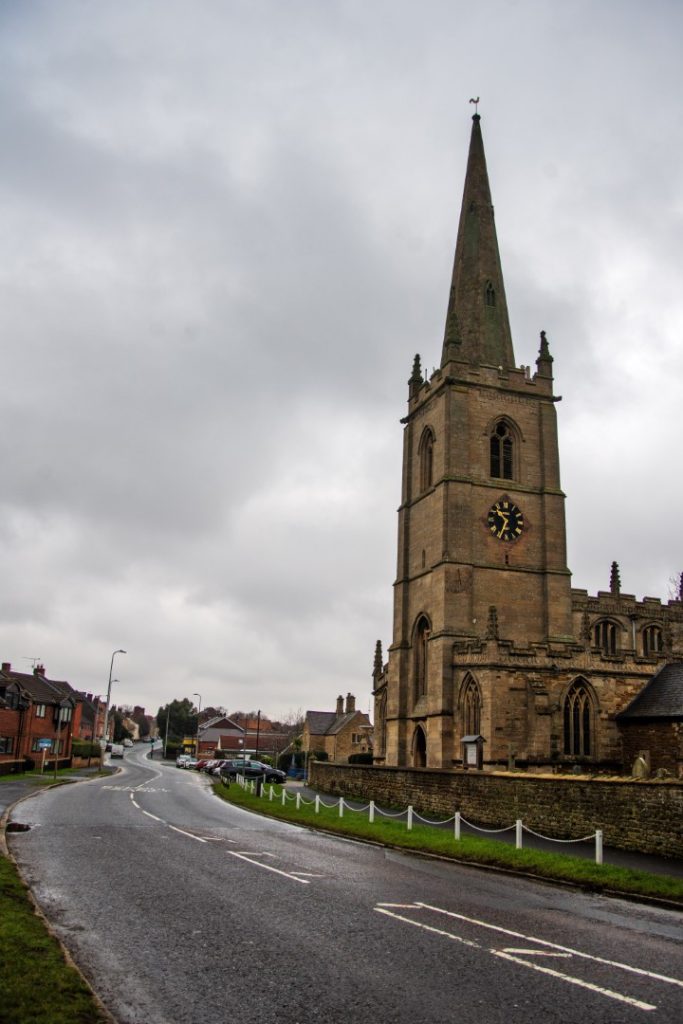
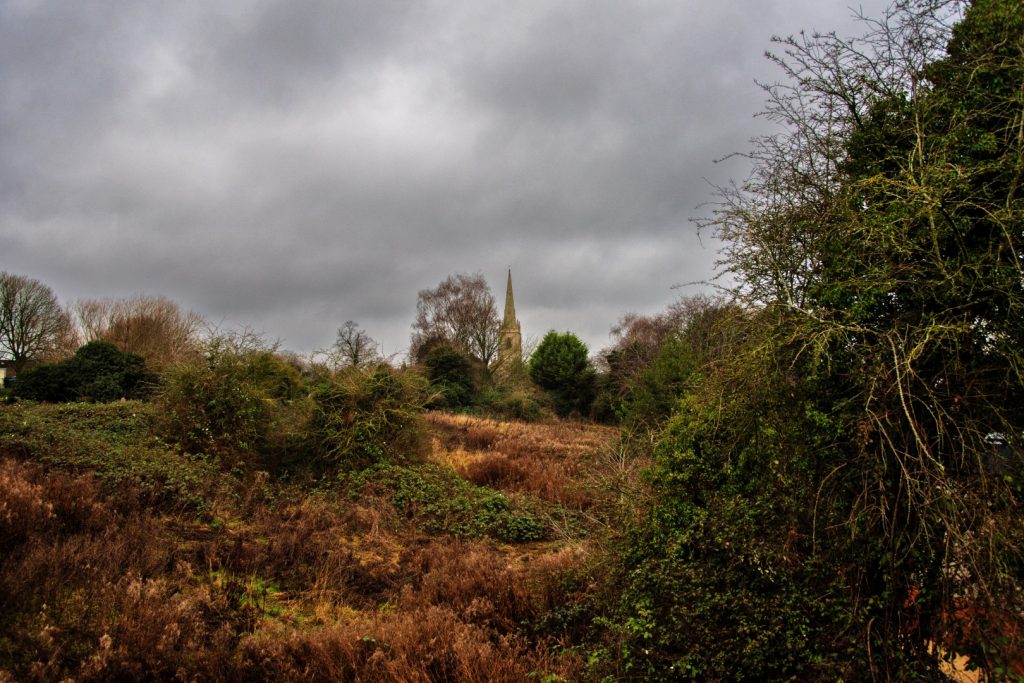
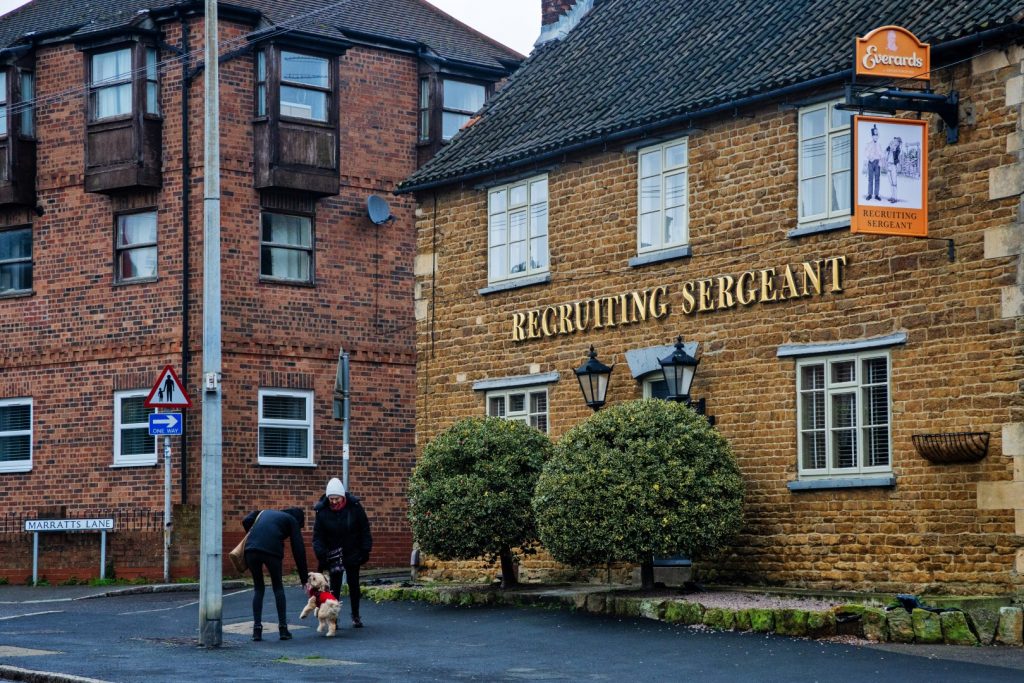
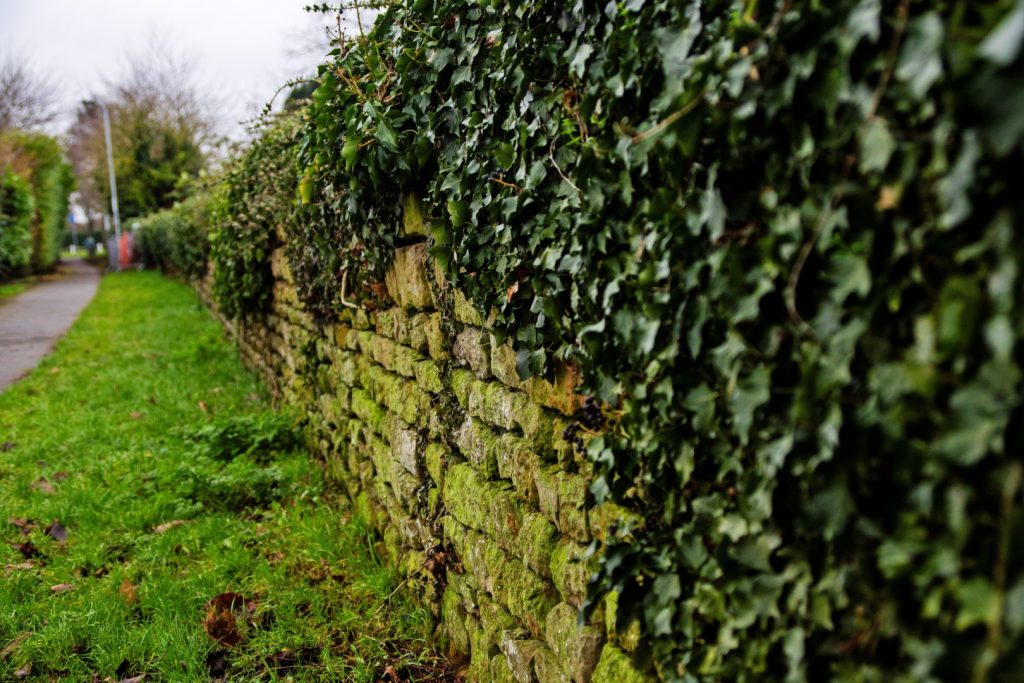
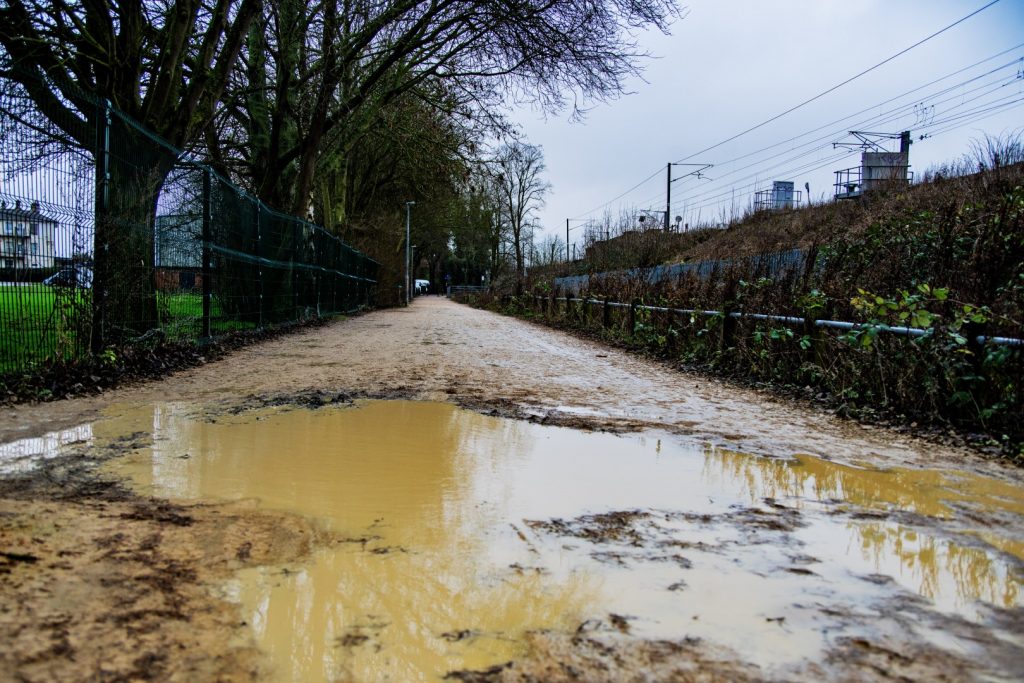
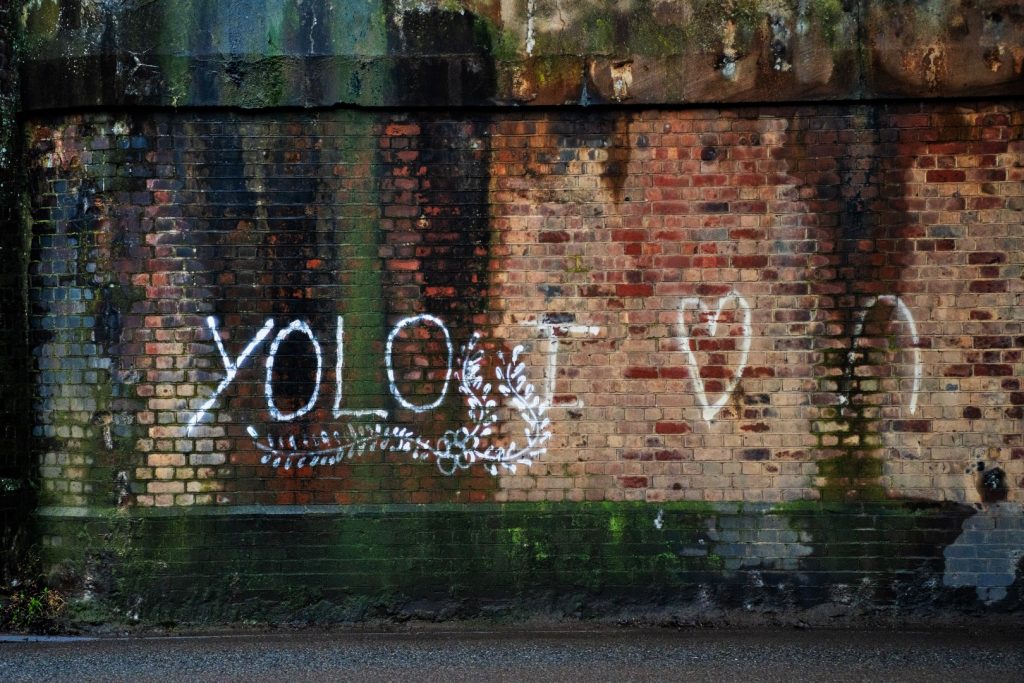
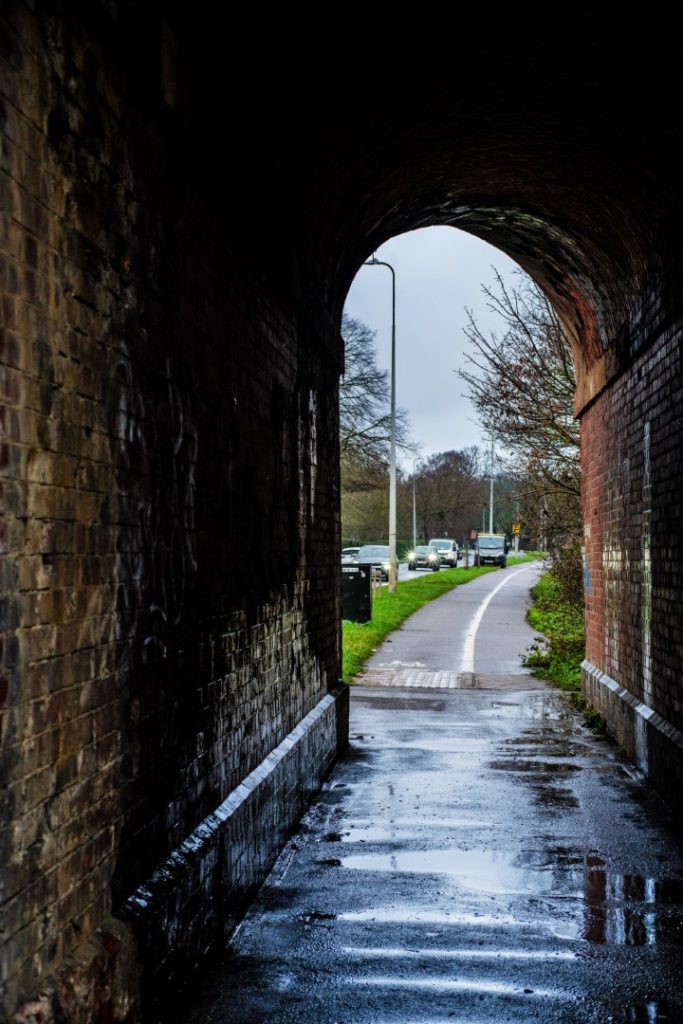
Although not that visible – a pleasant surprise was the pleasant sun stars coming from the car’s headlights in the distance – not what I was expecting!
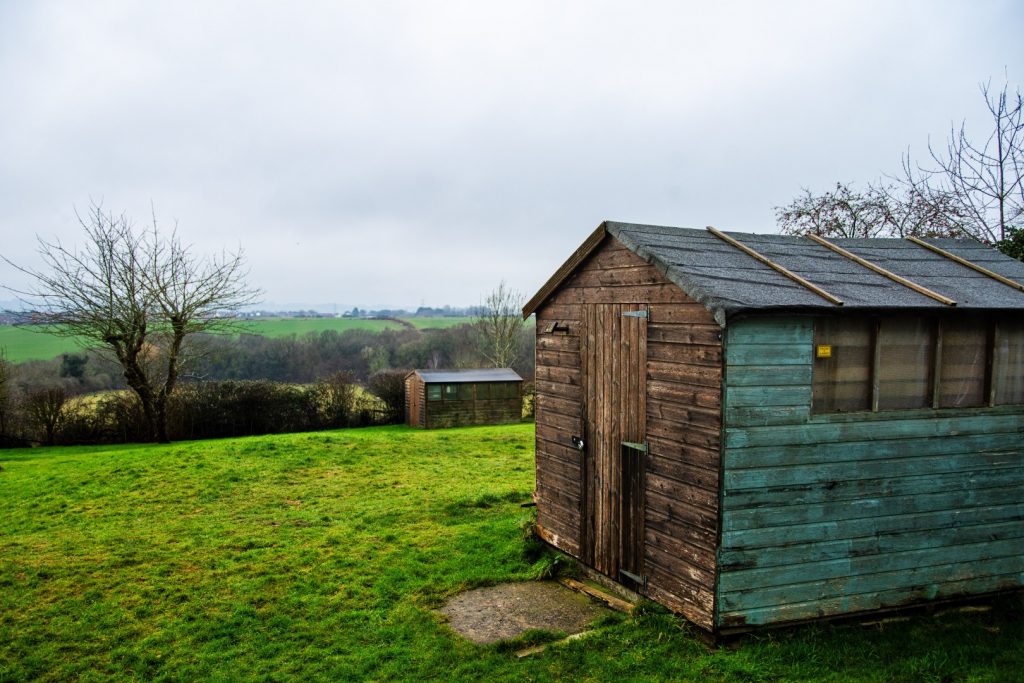
The next day, after a mixed start to the morning, the clouds cleared and we had an hour or two of lovely blue midday skies. This was too good an opportunity to not test this lens again, so I headed out on a shortened walk that I took the week before with the TT Artisans 100 f/2.8, missing out a trip to the town.
As I expected it was the edited coloured pictures I overall preferred over the black and white originals – the greens and blues popping with barely any post editing required; the images sharp at whatever focal length and aperture I chose to use:

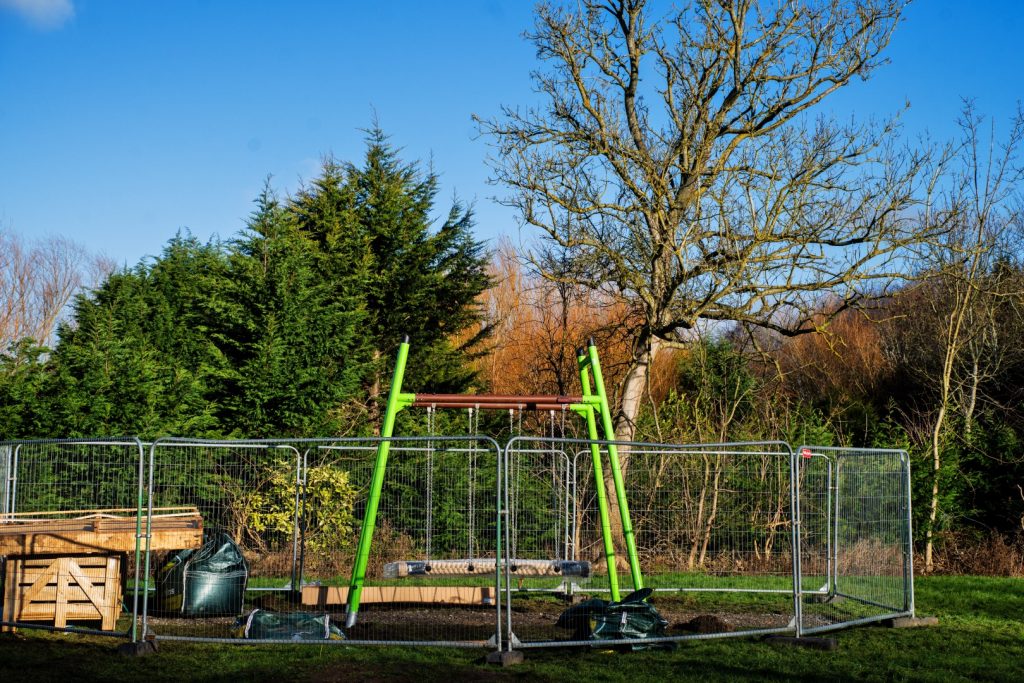
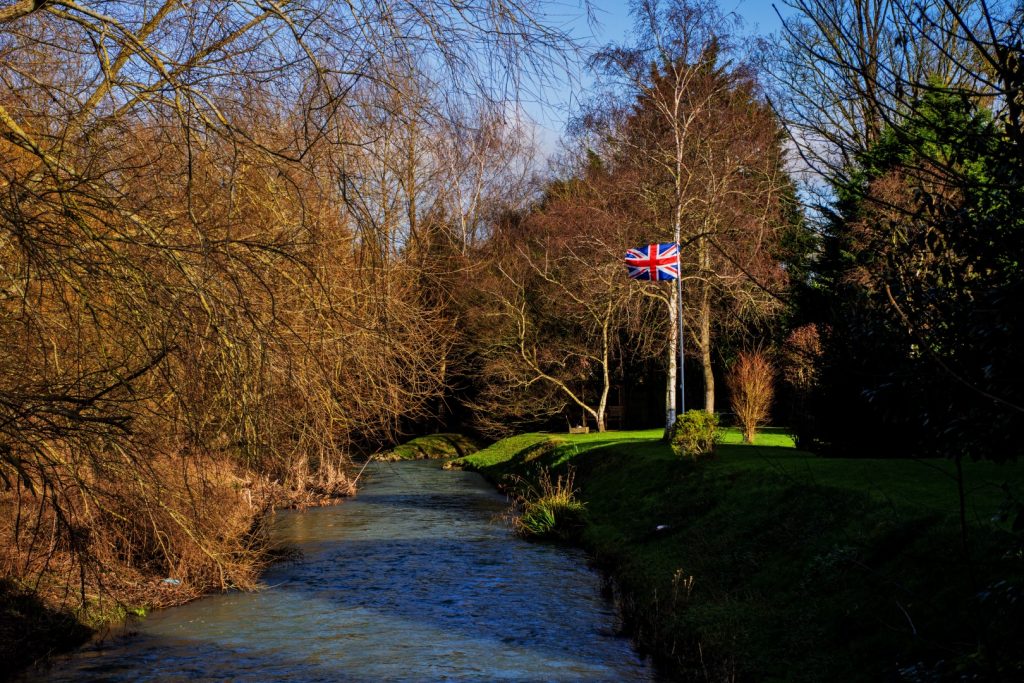

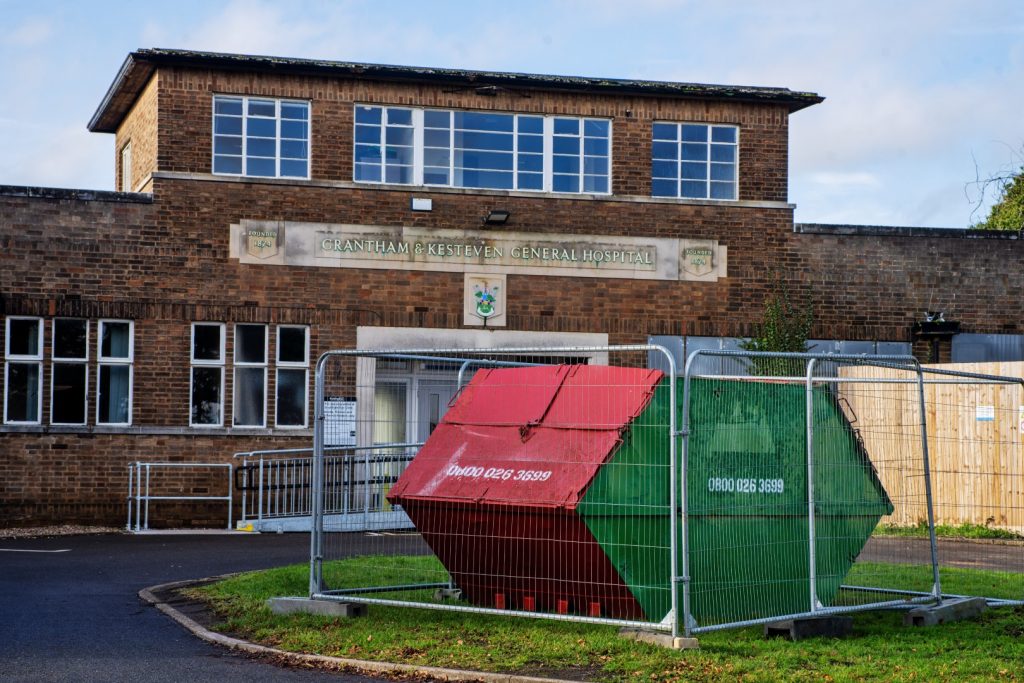
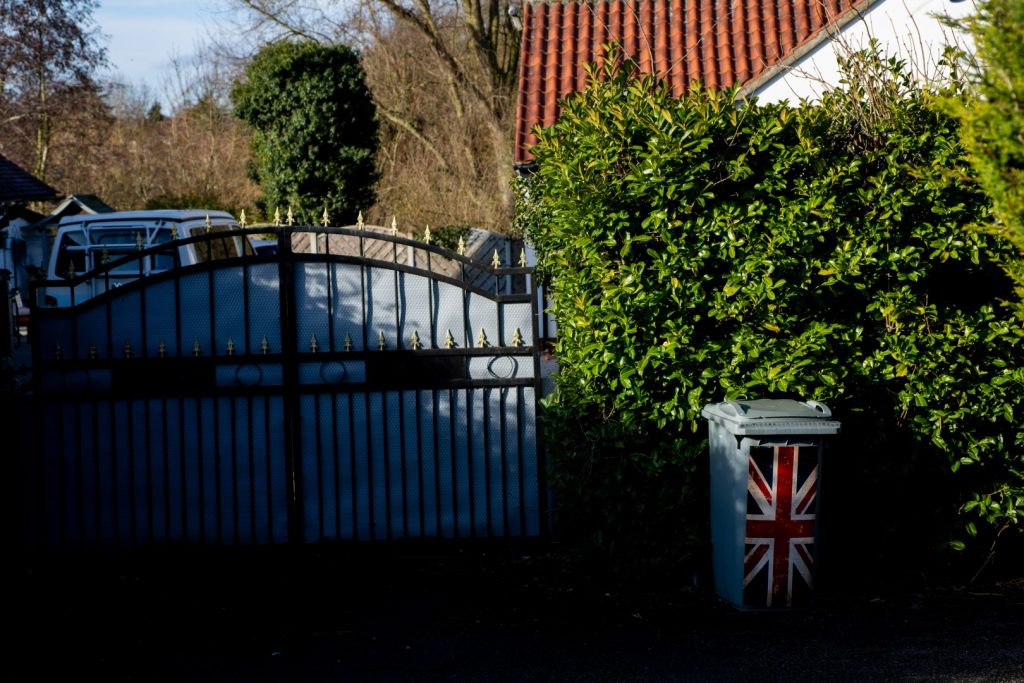
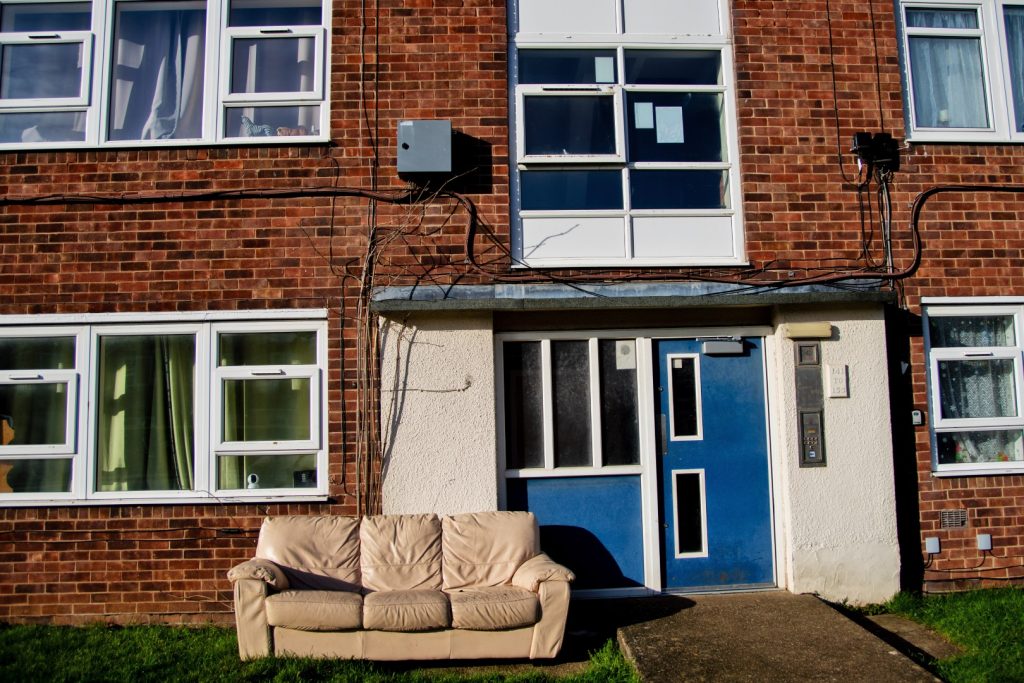
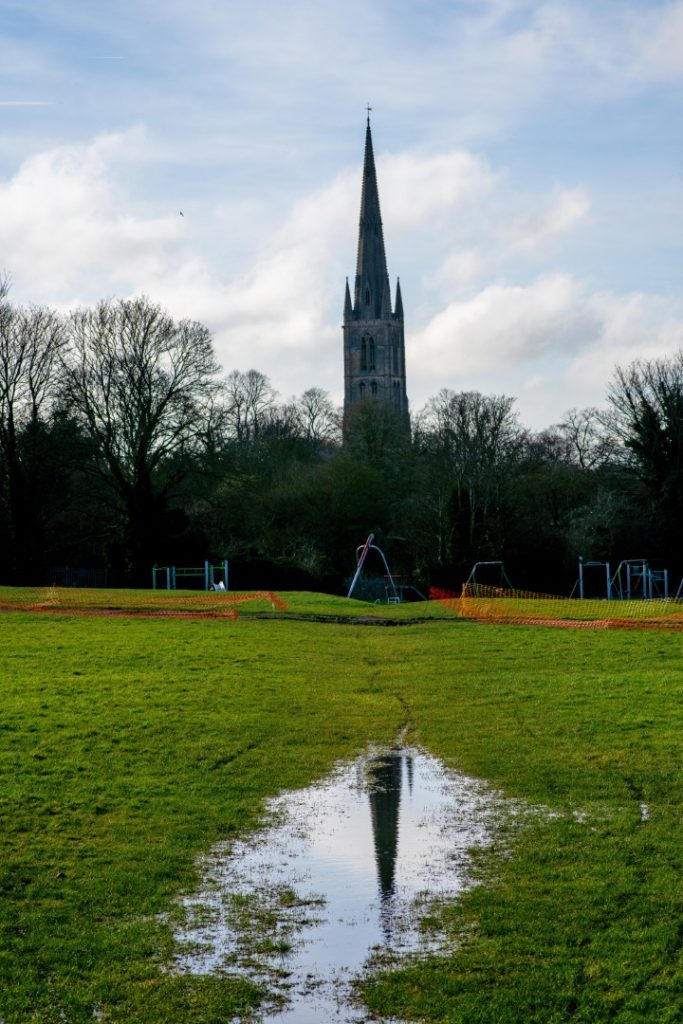
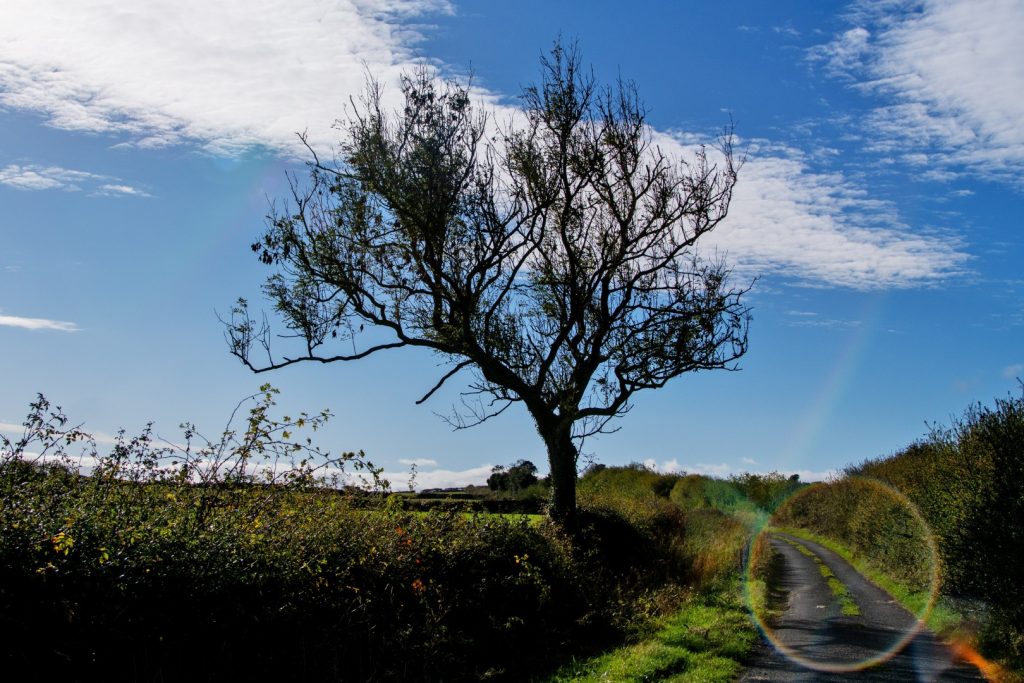
It was only when shooting into the light where the deficiencies of the lens became apparent – its lack of a hood, flaring (sometimes pleasing, sometimes unwanted), and some harsh purple (and red!) fringing that was mostly removed in post production. It was in these scenarios where underexposing or reverting to the black and white worked better:
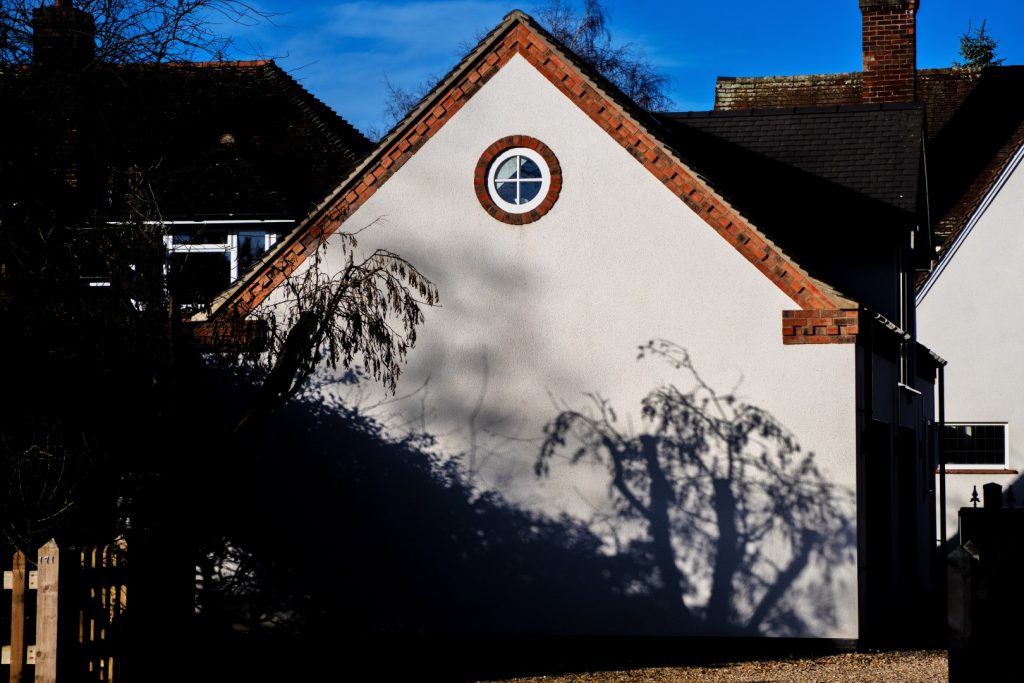
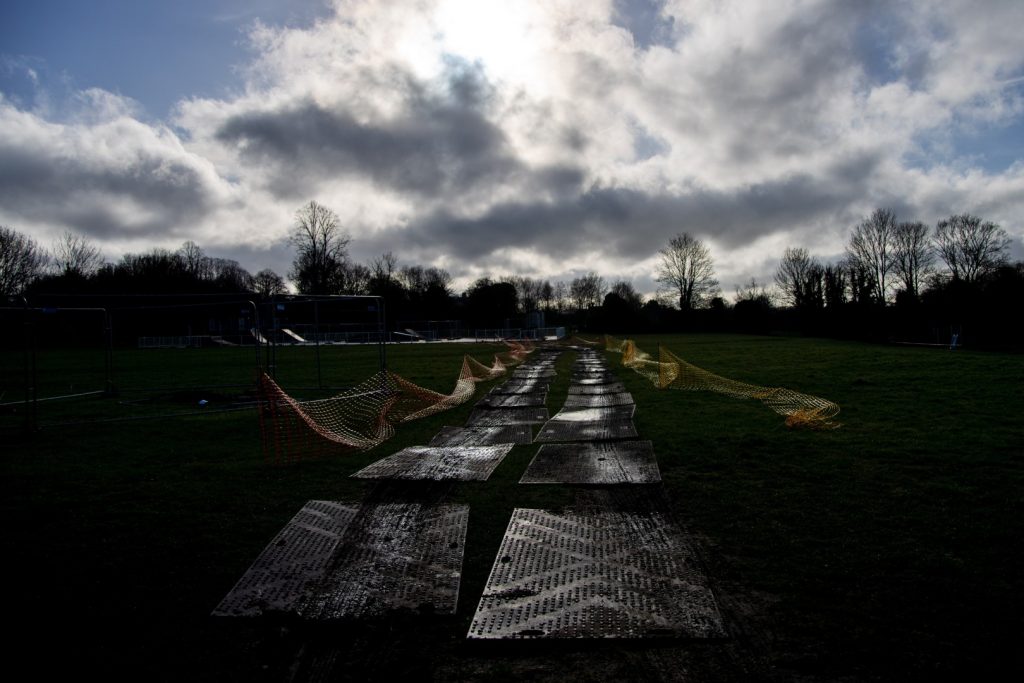
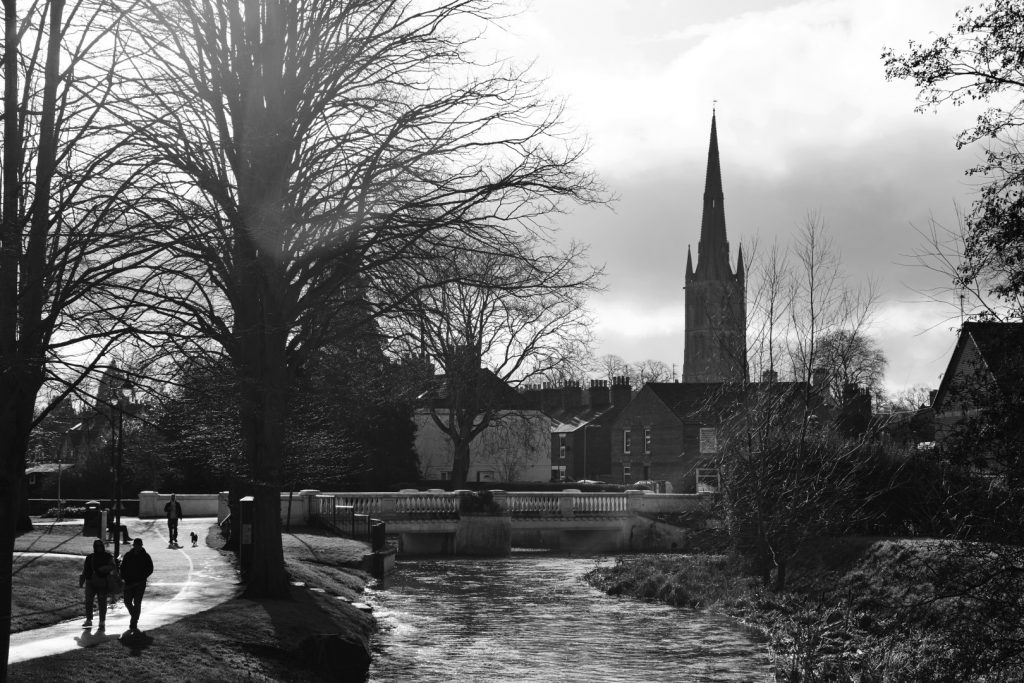
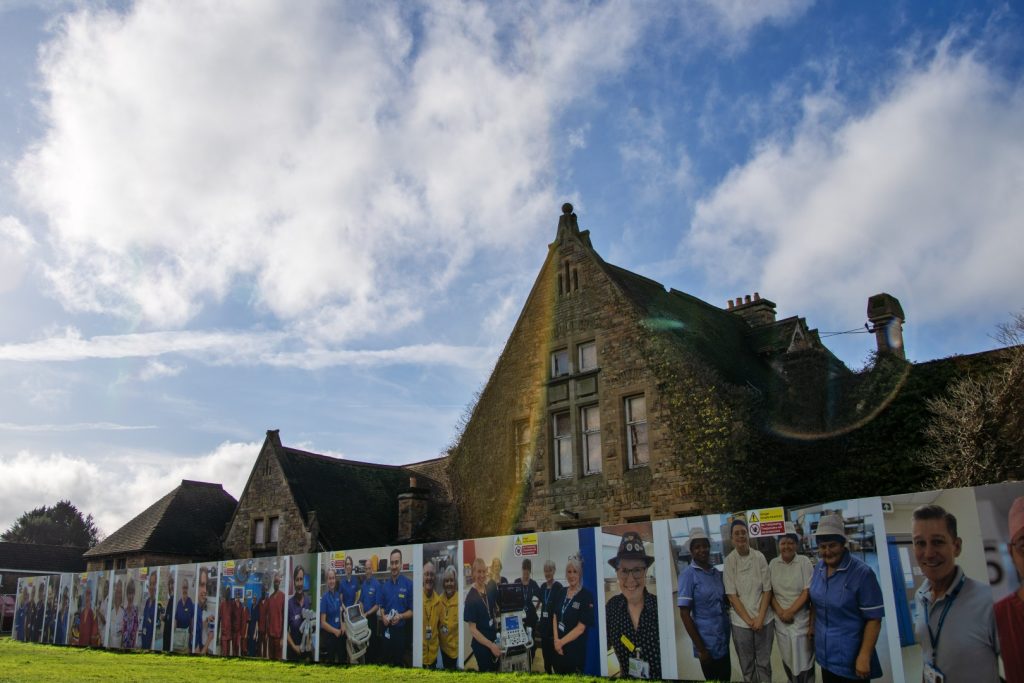
So to conclude my experiences with the Minolta AF 28-135mm F4-4.5 are overwhelmingly positive. Granted I have tried to use it when the lens can play to its strengths i.e. not attempting to use it indoors. When in this environment the lens has rarely disappointed and would be my go-to for a walkabout lens had I not invested in the Panasonic micro 4/3s system for the weight and weather resistance benefits that it has, and also owning a Sony RX100 VII which is super compact and has excellent image quality and even my hardy OM System TG7 which, with some decent light and editing can produce some lovely images (One from the C2C walk I even mistook for a this lens and A6700!)
Much like it’s close cousin – the Minolta 70-210 Beercan – this lens, if you have a good copy, punches well above its weight given its age, and the low cost that I paid for both lenses. It works well on both full frame and APS-C lenses and I would have no hesitation in highly recommending this lens if you come across one in good working order at a good price!
Leave a Reply