
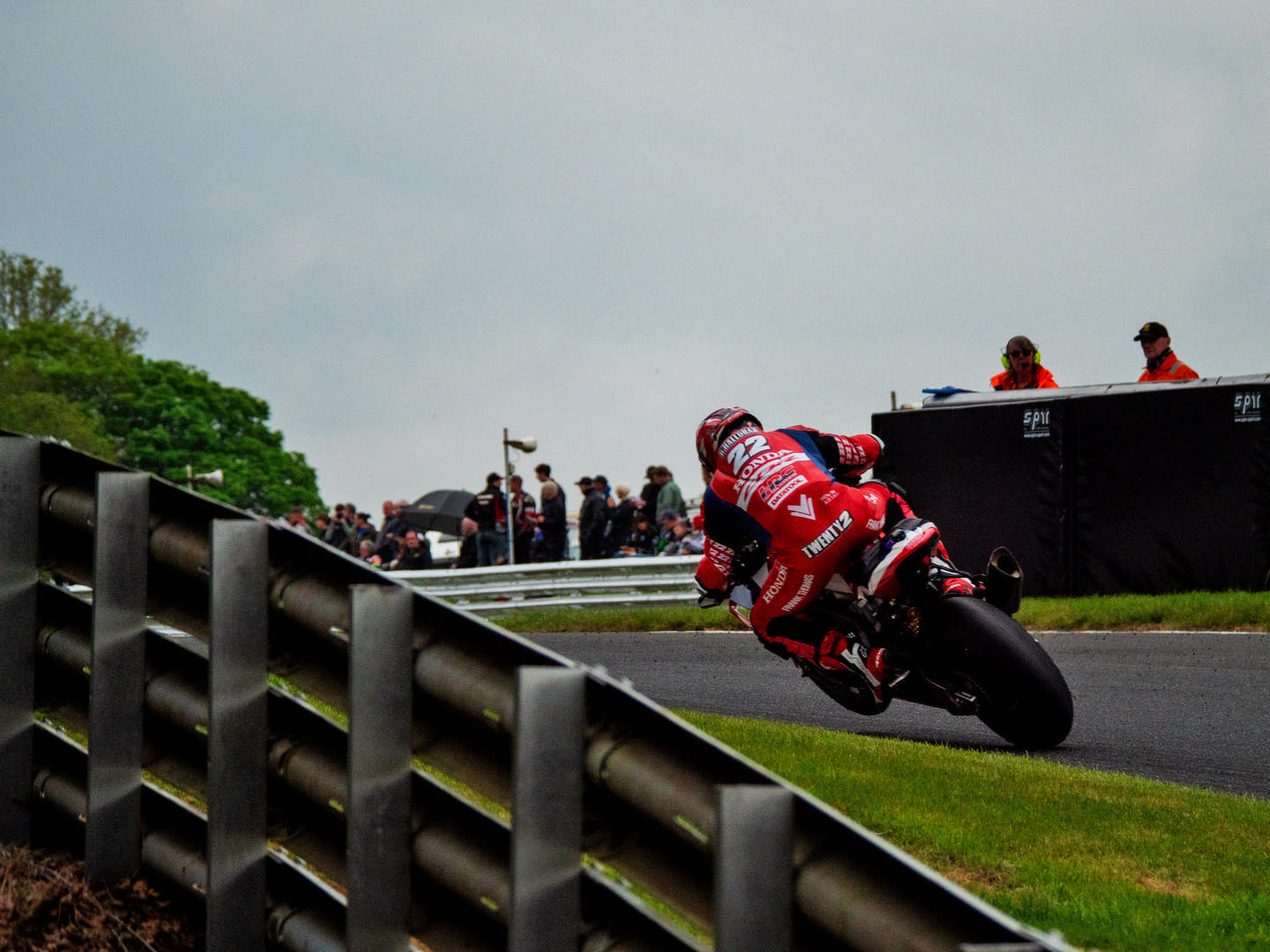
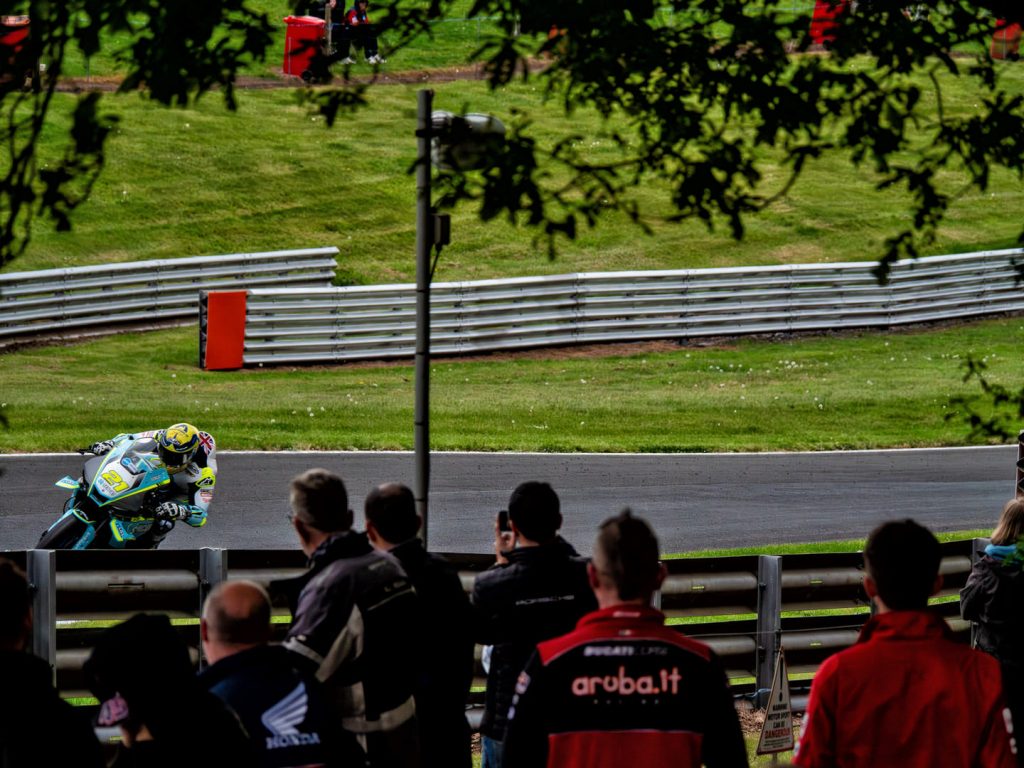
Hot off the heels of the London Marathon the early May Bank Holiday Monday saw me heading to Cheshire with my youngest daughter to Oulton Park to watch the opening round of the British Superbikes Championships. Having been gifted the admission ticket the primary intention was to go along and enjoy the day, but inevitably I was going to take a camera and enjoy photographing the day pressure free.
Although this was the first closed circuit motorbike race meeting I’ve attended, I’m no stranger to motorsport events and indeed photographing them. From 2002-2012 I attended many of the Formula 1 races as a photo editor and part time photographer – typically shooting the start of the race, the podium and the occasional practice session alongside another photographer whose equipment I would borrow before heading back to the Media Centre with their SD cards full of pictures for me to edit.
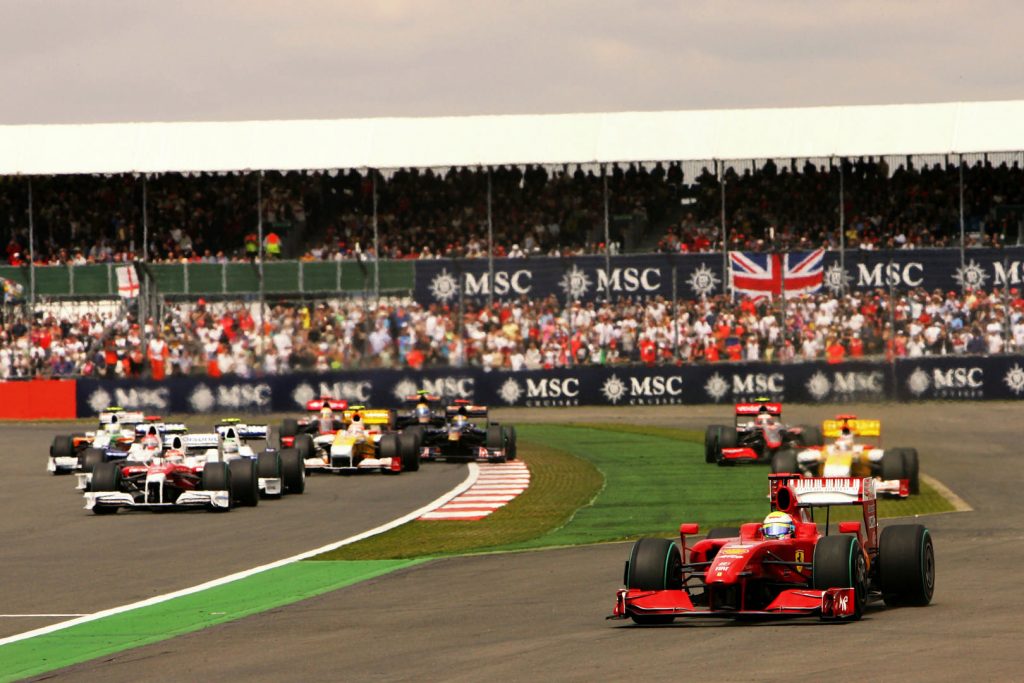
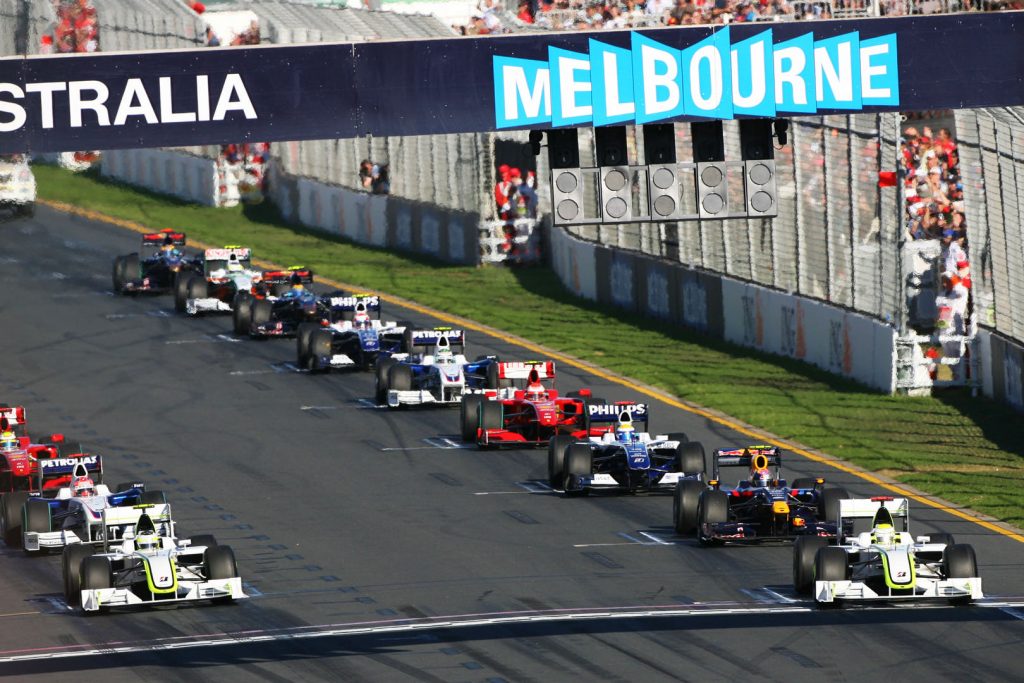
Australian Grand Prix, Race, Melbourne, Australia, Sunday 29 March 2009.
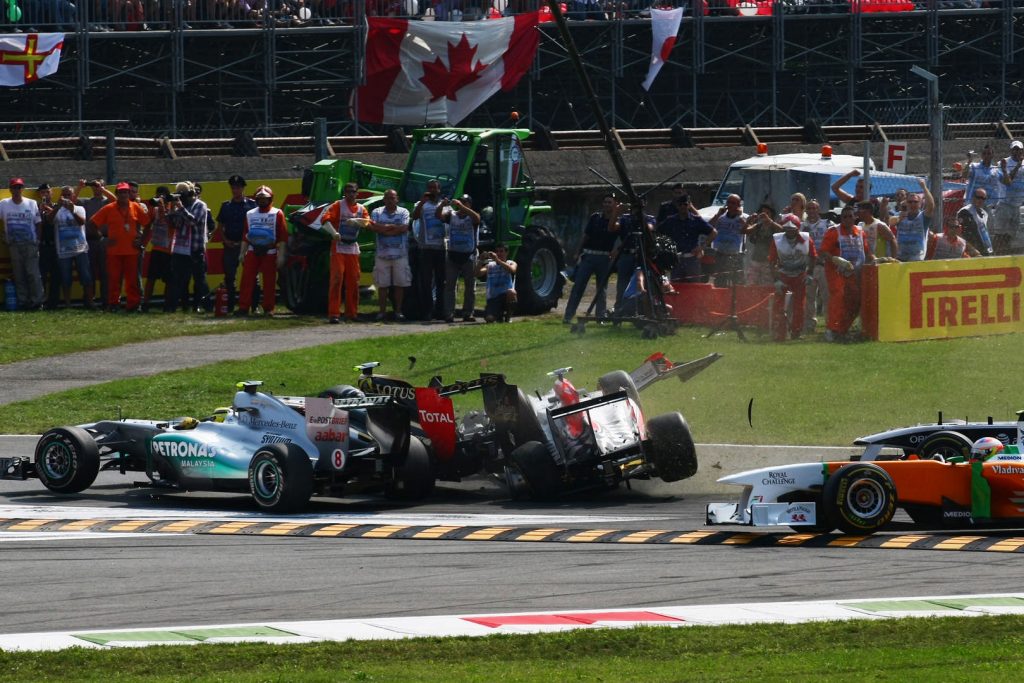
From 2012 to this day I would still be editing many Formula 1 (and other motorsport images) but thanks to the progression of the internet and other technologies I have been able to do this from the luxury of my office at home. With 25 years plus of editing motorsport images it is probably fair to say that there are few other people on this planet who have seen and edited as many pictures of racing cars and racing drivers as I have – a conservative estimate would be well over a million images. So it is fair to say that I have a pretty good idea of what makes a good motor racing image, although being able to edit a pretty picture is a very different beast from being able to take one!
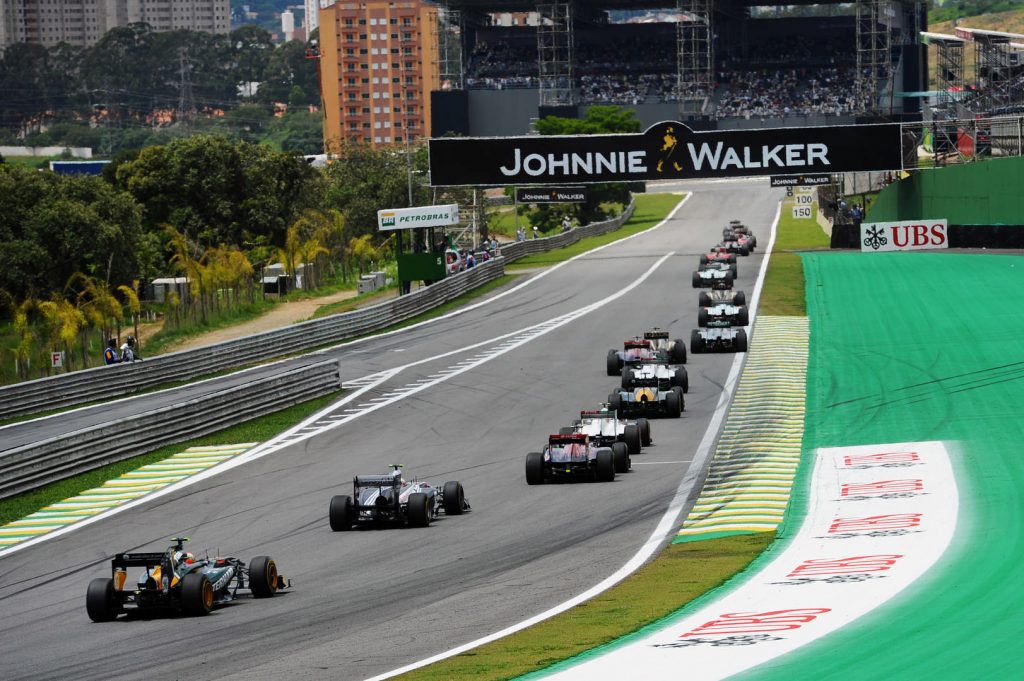
Brazilian Grand Prix, Race, Sao Paulo, Brazil, Sunday 27 November 2011.
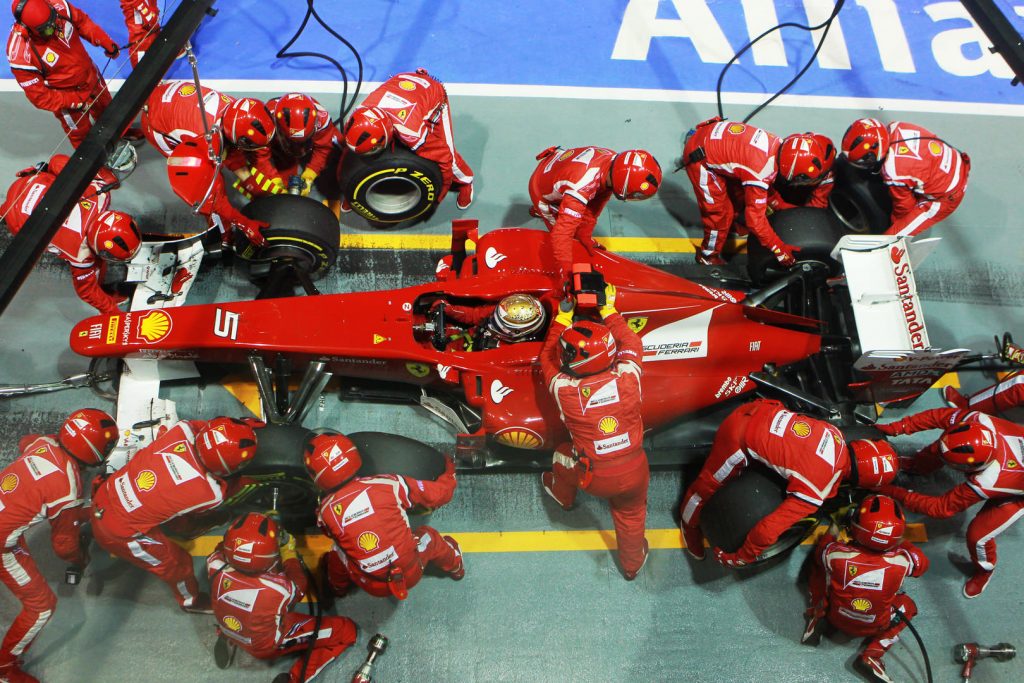
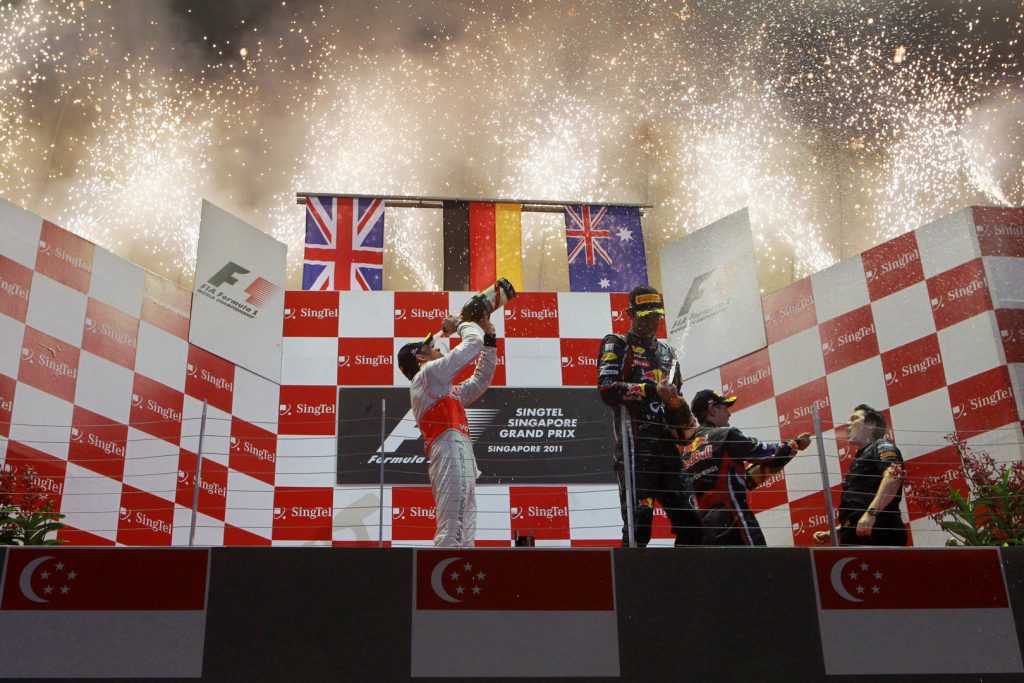
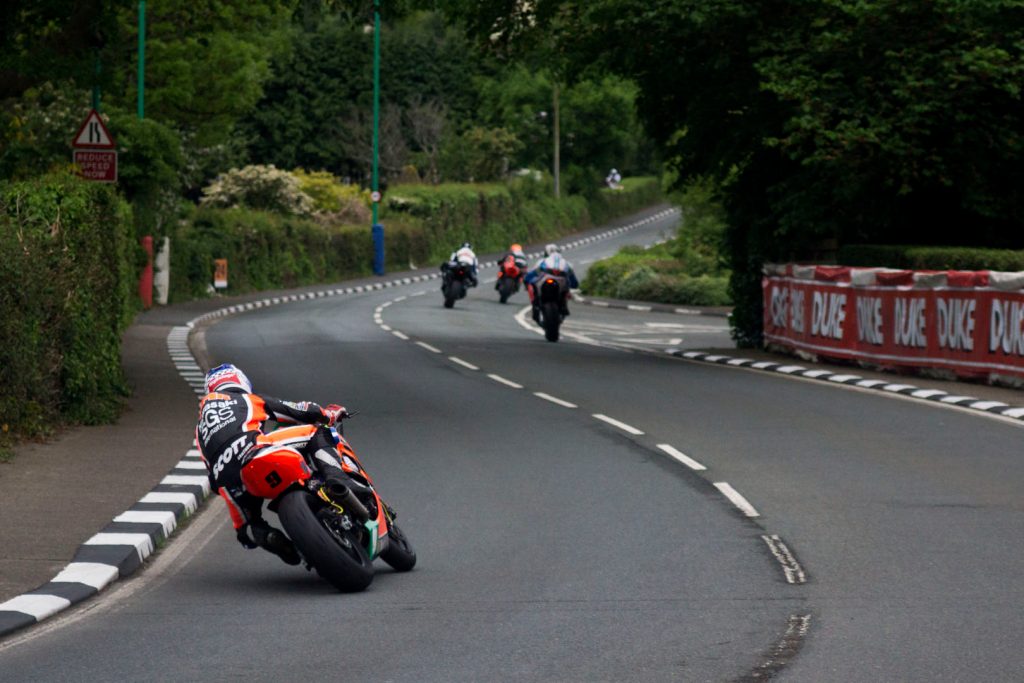
As mentioned this was the first time I would be attending a closed circuit motorbike racing event, but back in 2014 I fulfilled a bucket list item in attending a week at the Isle of Man TT. Over the years I’ve been privileged enough to have stood at some of the most iconic places in motorsport: the outside of 130R at Suzuka, inside the tunnel and alongside the harbour at Monaco; the roof of turn one at Indianopolis Motor Speedway (terrifying!); Eau Rouge in Belgium; the main grandstand at Interlagos; and many others. But I have to say that the Isle of Man TT was undoubtedly the most thrilling and memorable motorsport event I’ve ever attended. Run entirely on closed public roads, able to stand within literally inches of bikes passing you at close to 200mph. Very, very dangerous, but very, very exciting.
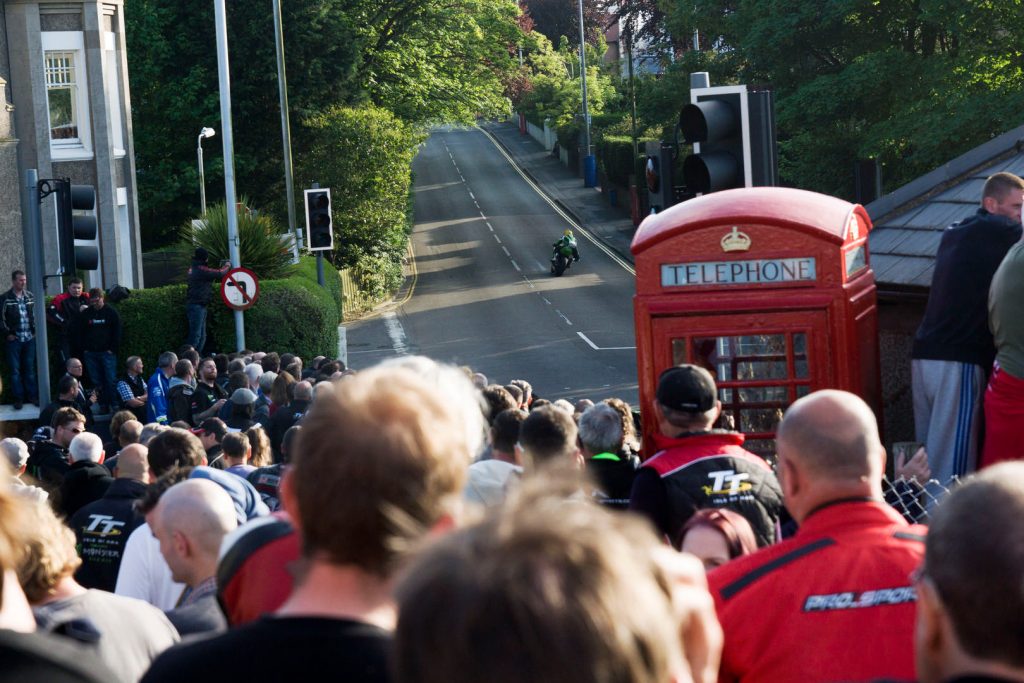
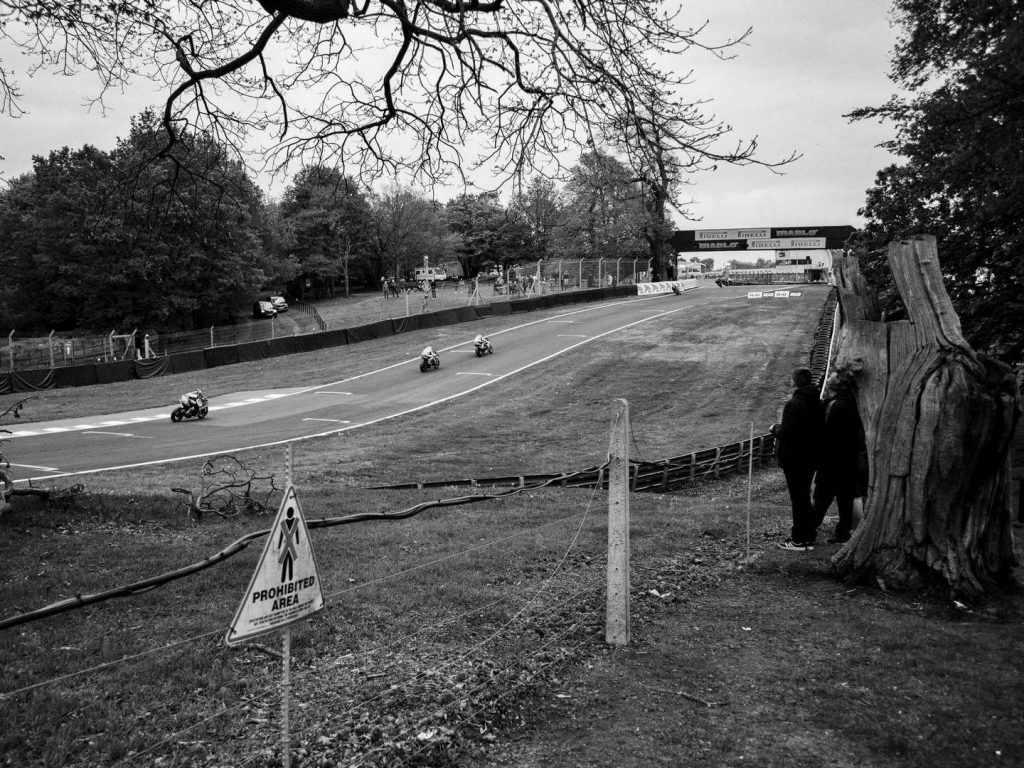
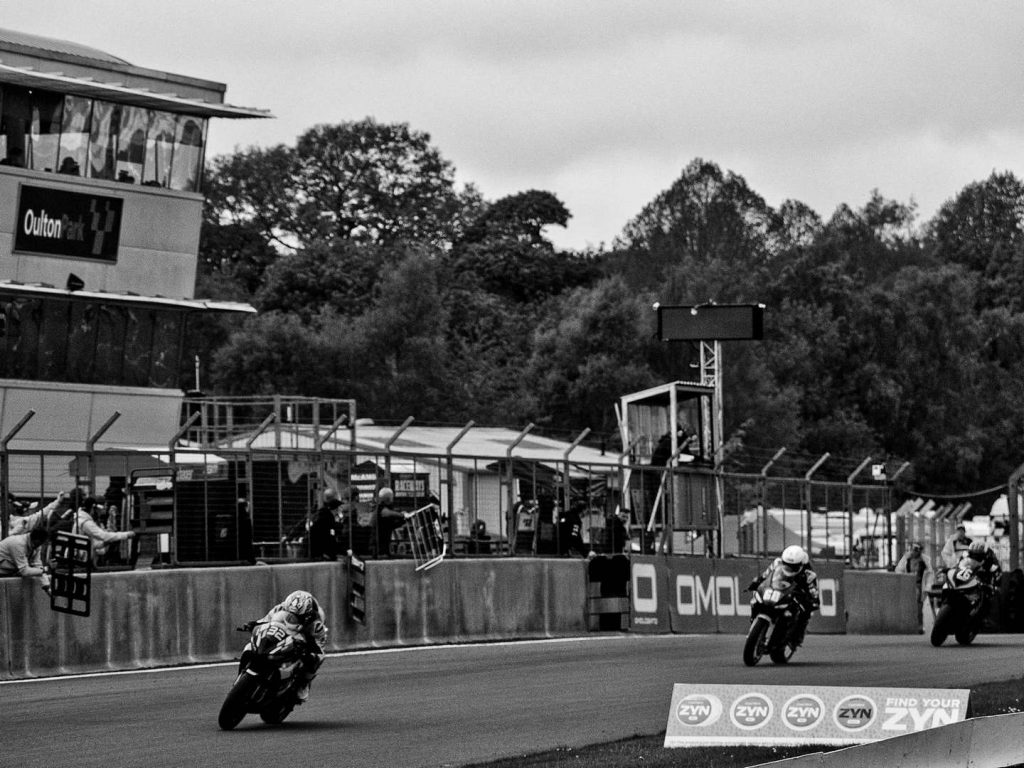
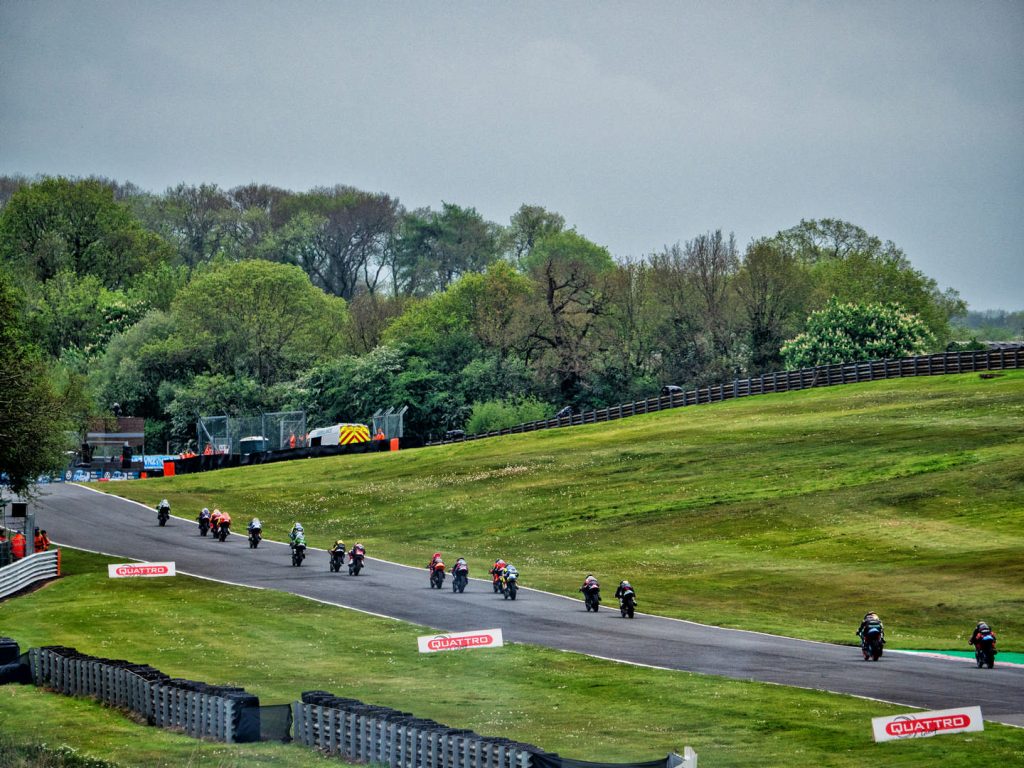
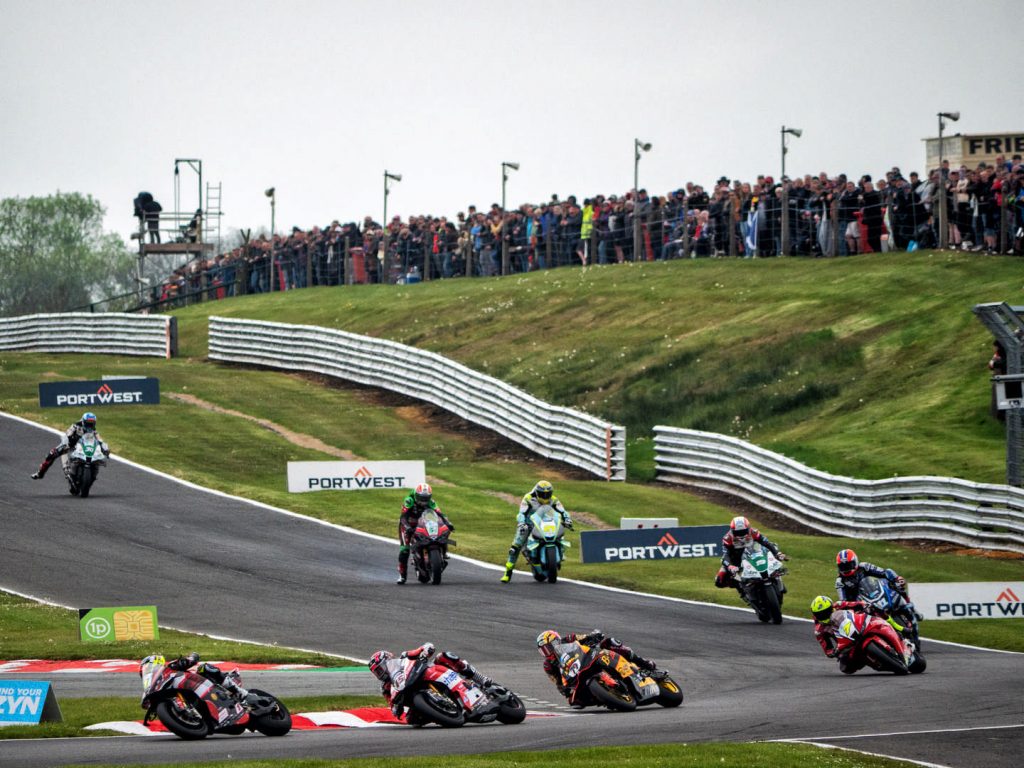
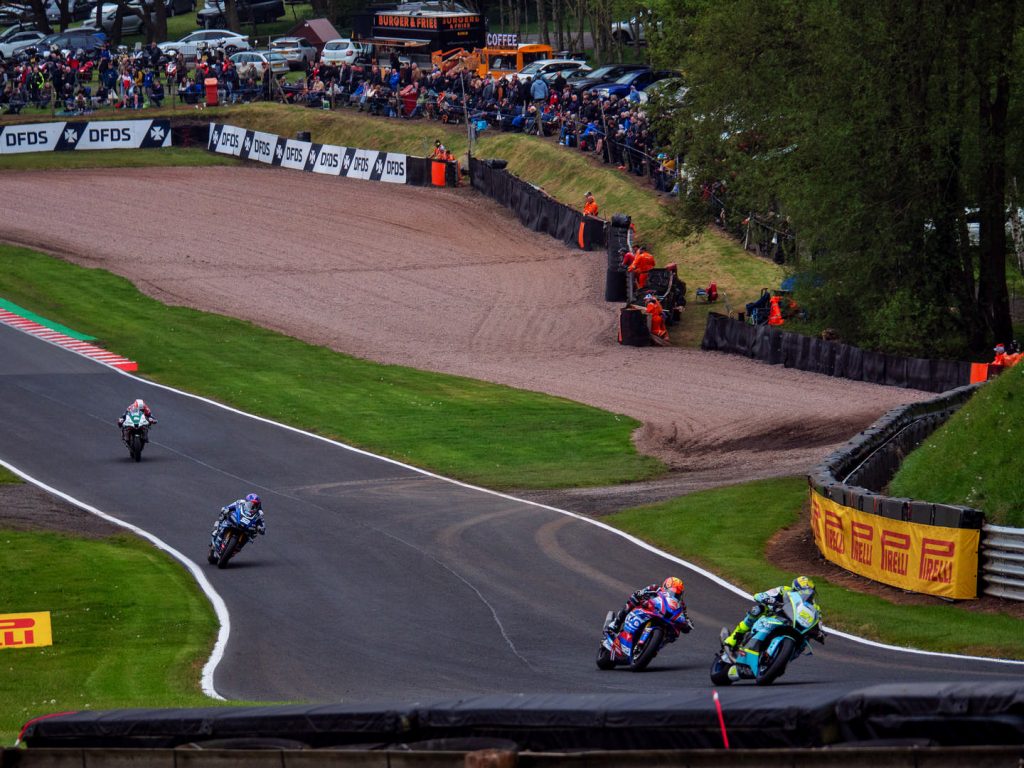
Oulton Park would not quite match the Isle of Man for the pure adrenaline rush, nor Miami for the fake glitz and glamour that we saw in the F1 the evening before, but it is probably my second favourite circuit in the UK after Cadwell Park to watch (and drive – albeit virtually). Happily, as I was able to discover, unlike Silverstone and most other F1 standard circuits, Oulton Park has plenty of locations where spectators can get close to the action and photograph the cars or bikes relatively easily and without the need to shoot through the catch fencing. Its most famous shot, beloved by all photographers I have known who have shot there, the shot with Lodge in the background, was not, as far as I could make out, possible without trackside access though due to the catch fencing (And maybe not possible at all due to the branding and ambulance in close vicinity).
My camera choice had been decided well in advance – I was going to take Panasonic G9 for its weather sealing capabilities and the weather sealed 100-300mm lens for its 600mm full frame equivalent reach. As the weather forecast gave a chance for showers, I opted to only take one body, as the GX9 is not weather sealed, and I don’t deliberately use my Sony cameras in the rain. I took my now venerable 12-60mm lens (Also weather sealed) which I swapped regularly with the telephoto lens for the GV shots, and also my DJI (PanaLeica) 15mm f/1.7 and Olympus 45mm f/1.8 for when I wanted something a little different (As it was these two lenses were used sparingly).
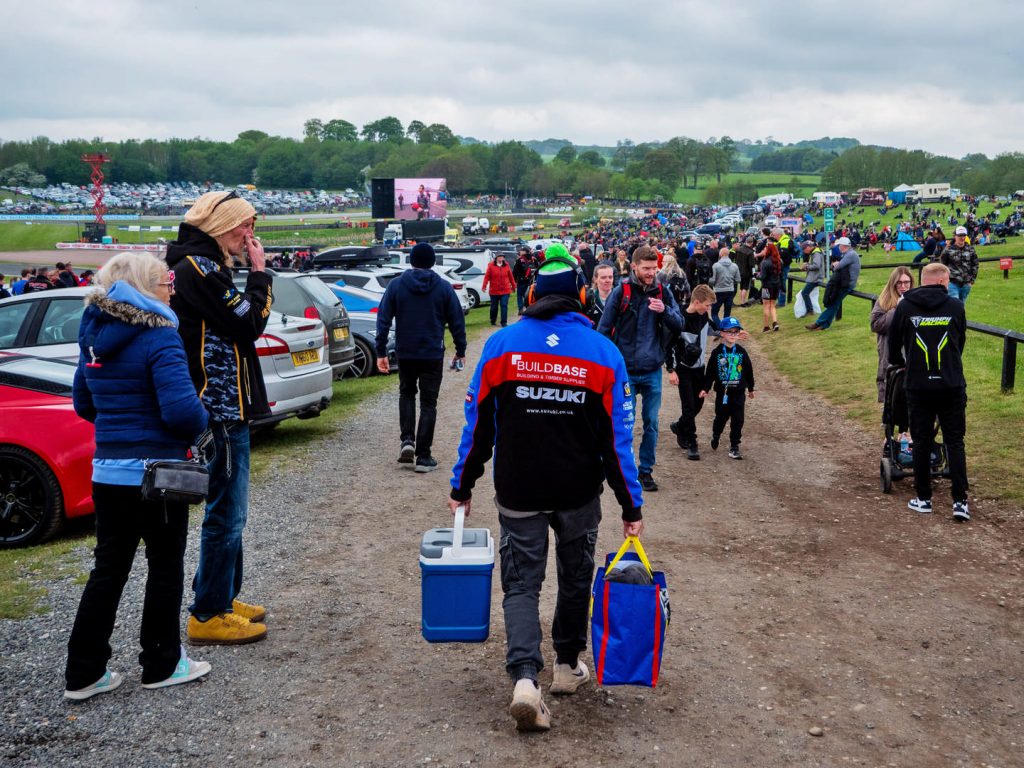
We arrived at the circuit at 9:30, a novel feature of the circuit being that there is pretty good views of the circuit from many of the parking spaces around the circuit. Rather humorously I did manage to forget where I parked the car by the mid afternoon when I tried to return to it, if my daughter didn’t use her superior intellect and we didn’t opt to wait until the end of the day before leaving to let most the cars go, we may have still been there the following morning hunting for it!
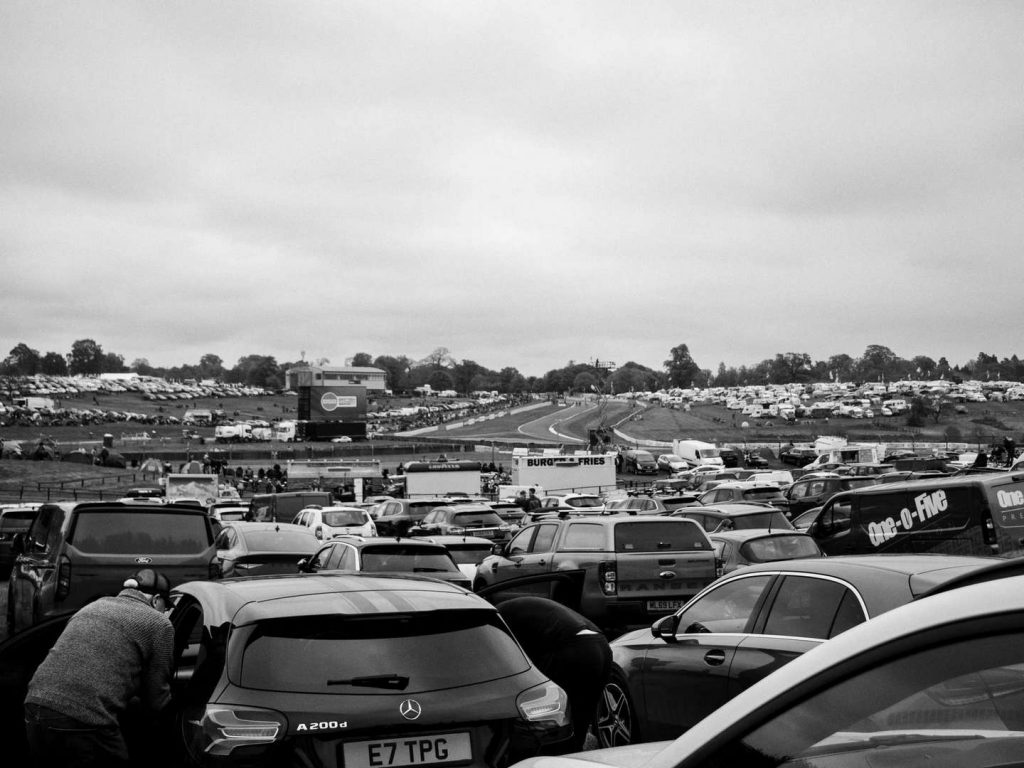
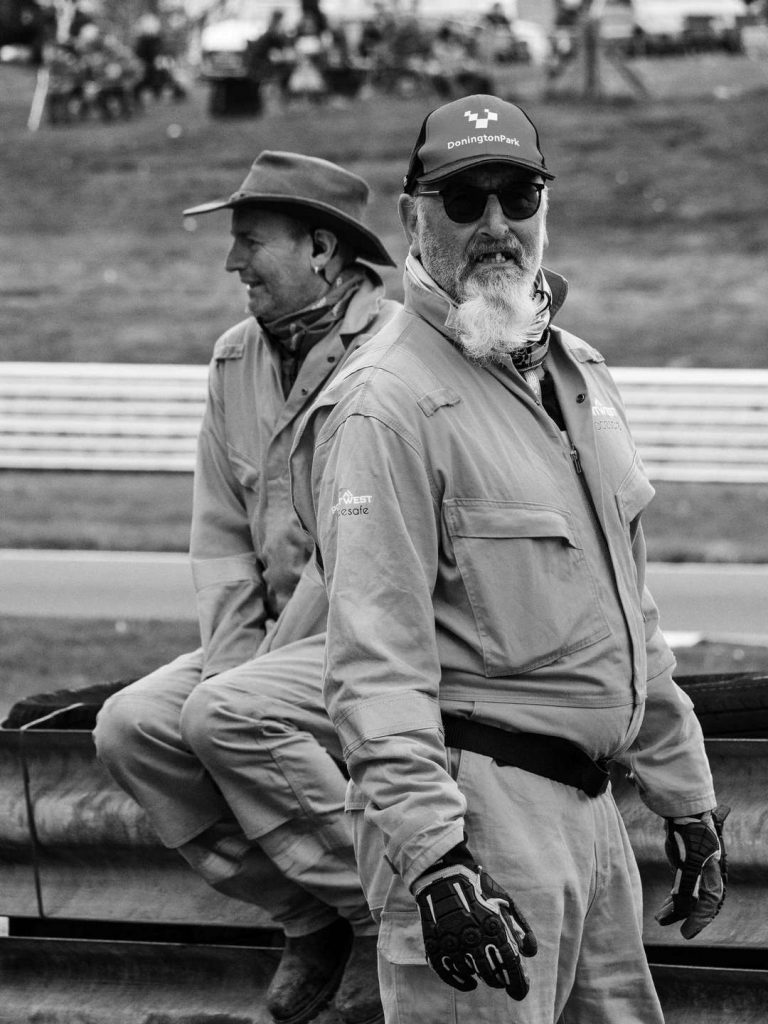
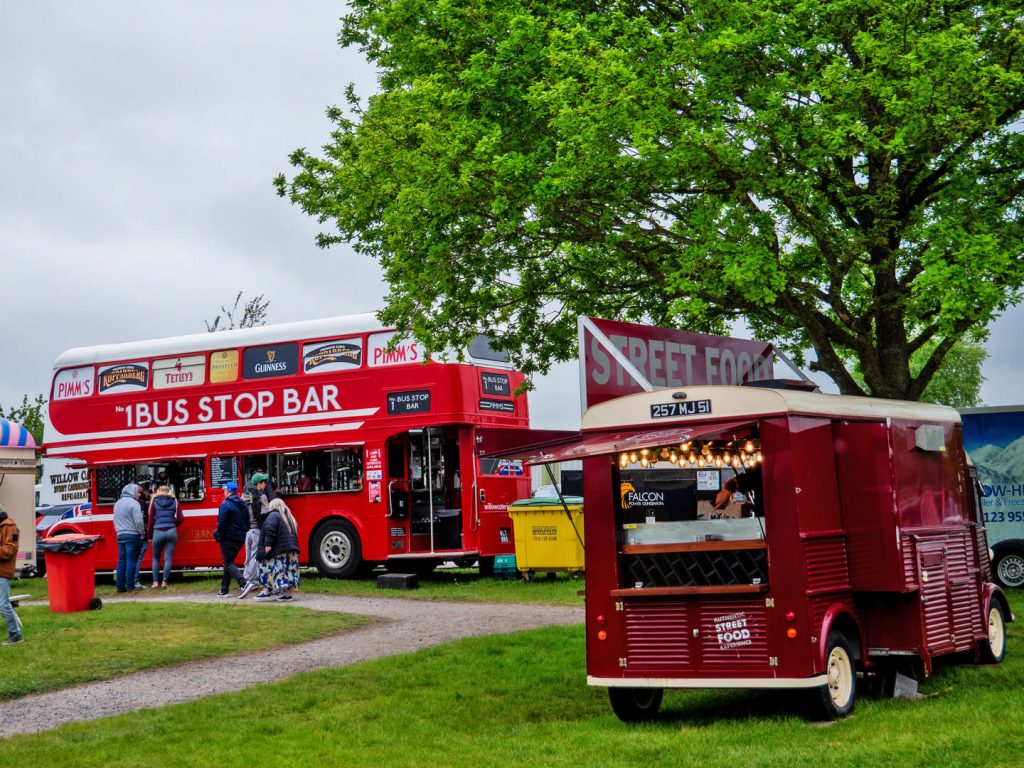
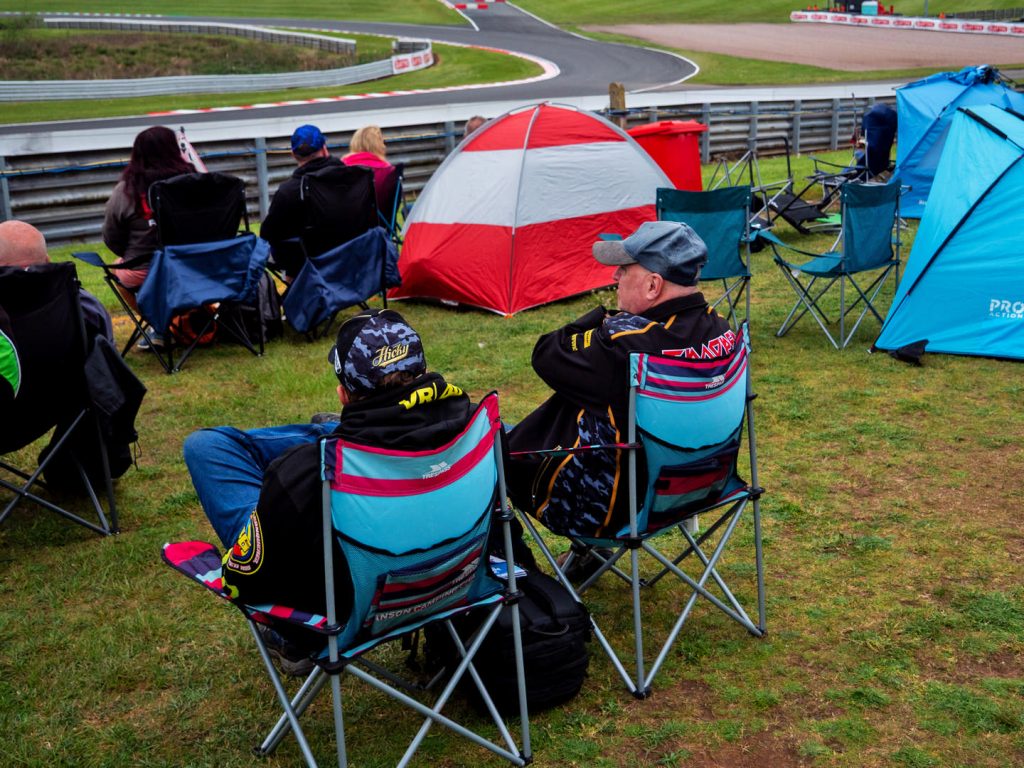
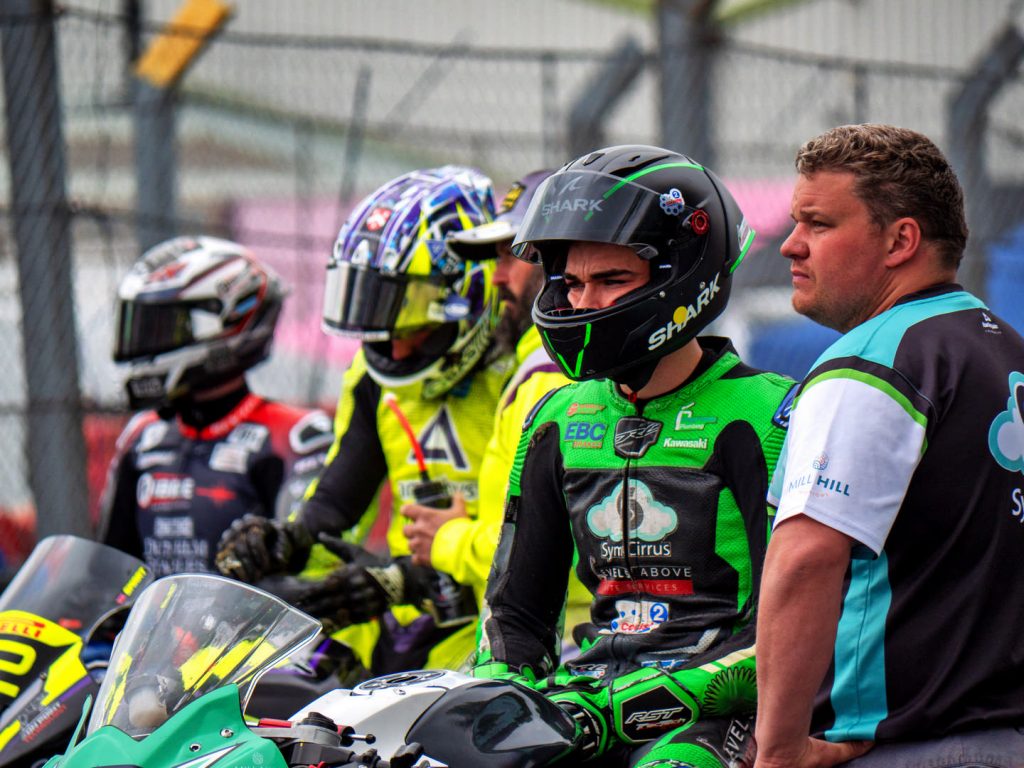
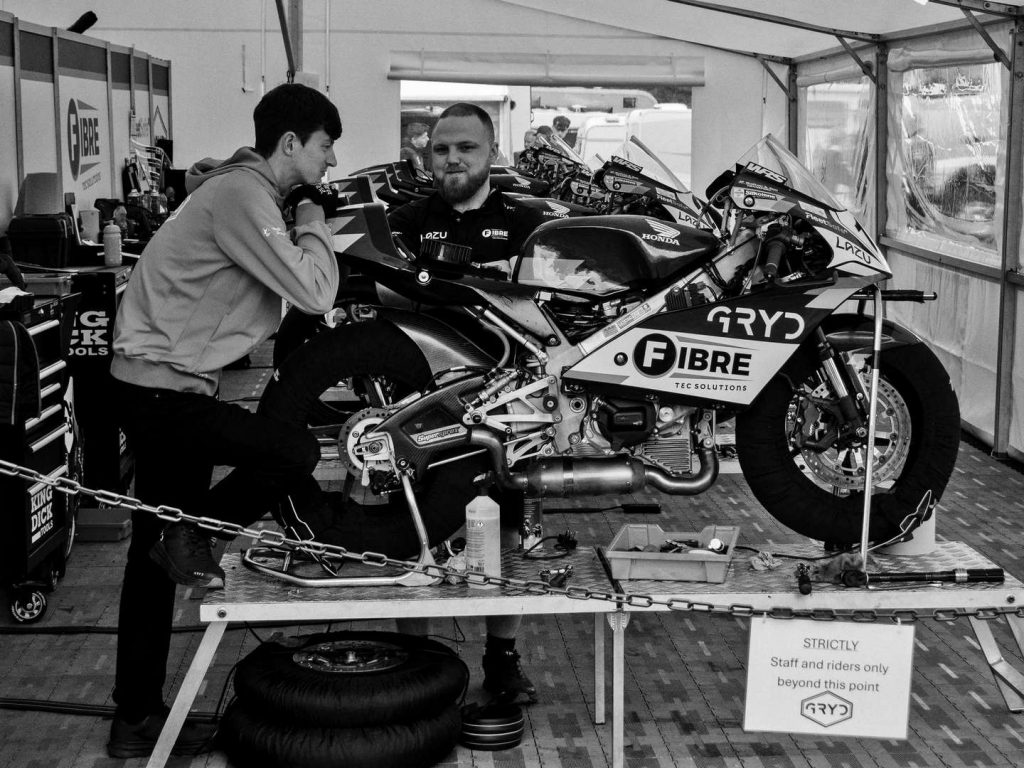
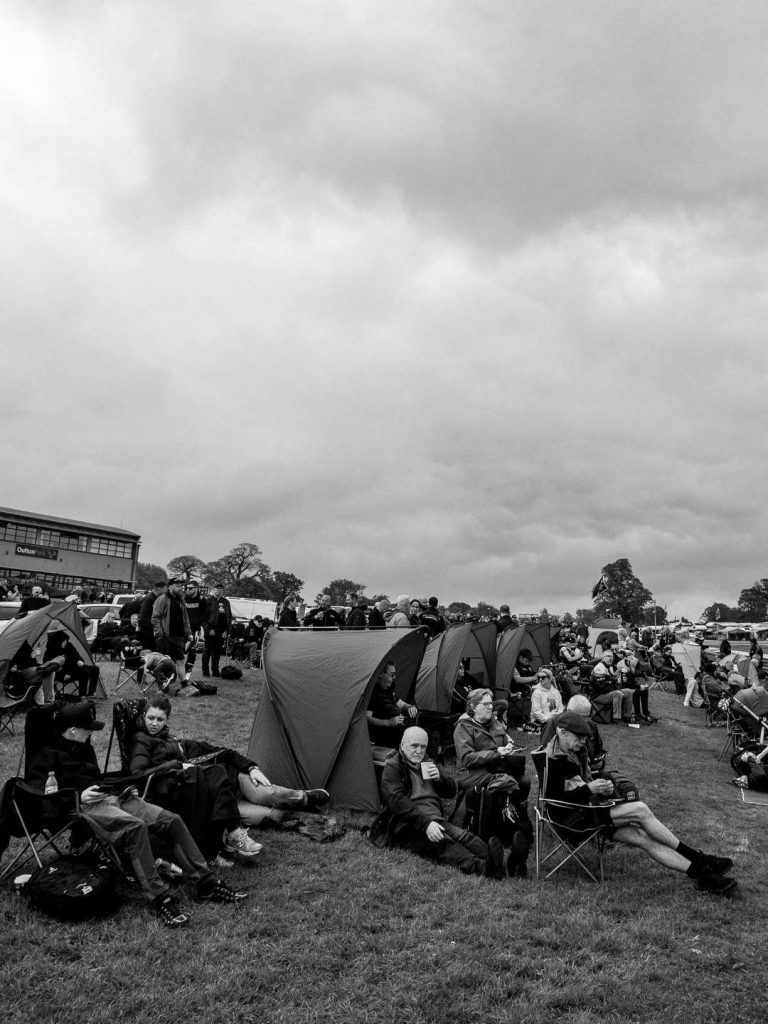
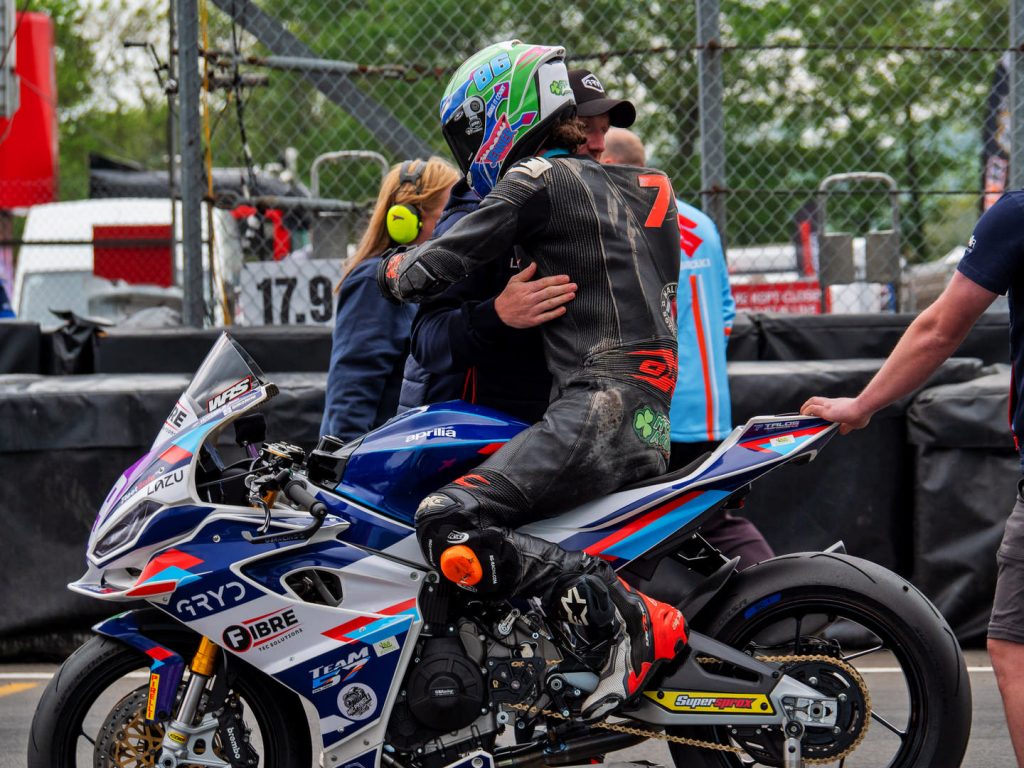
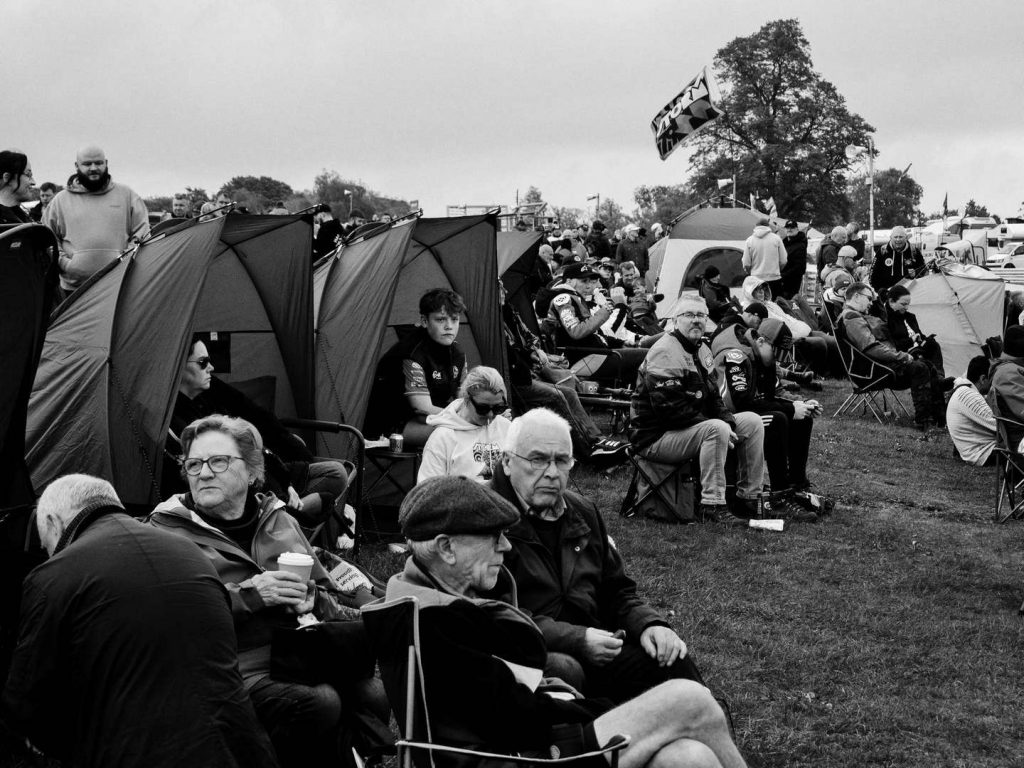
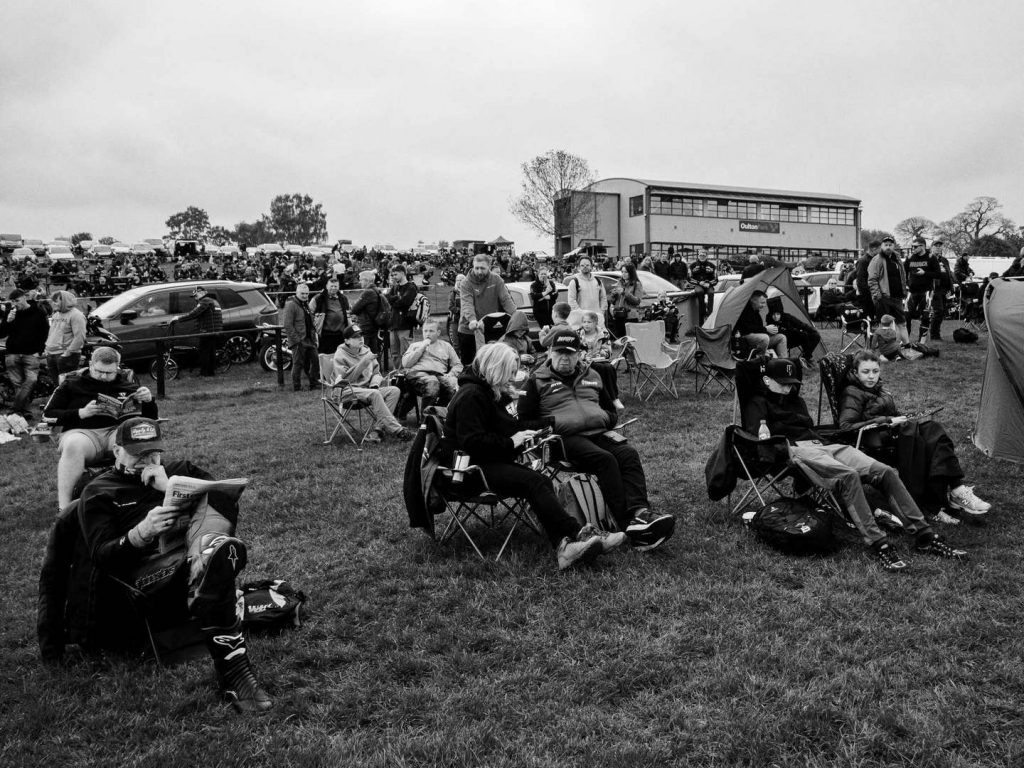
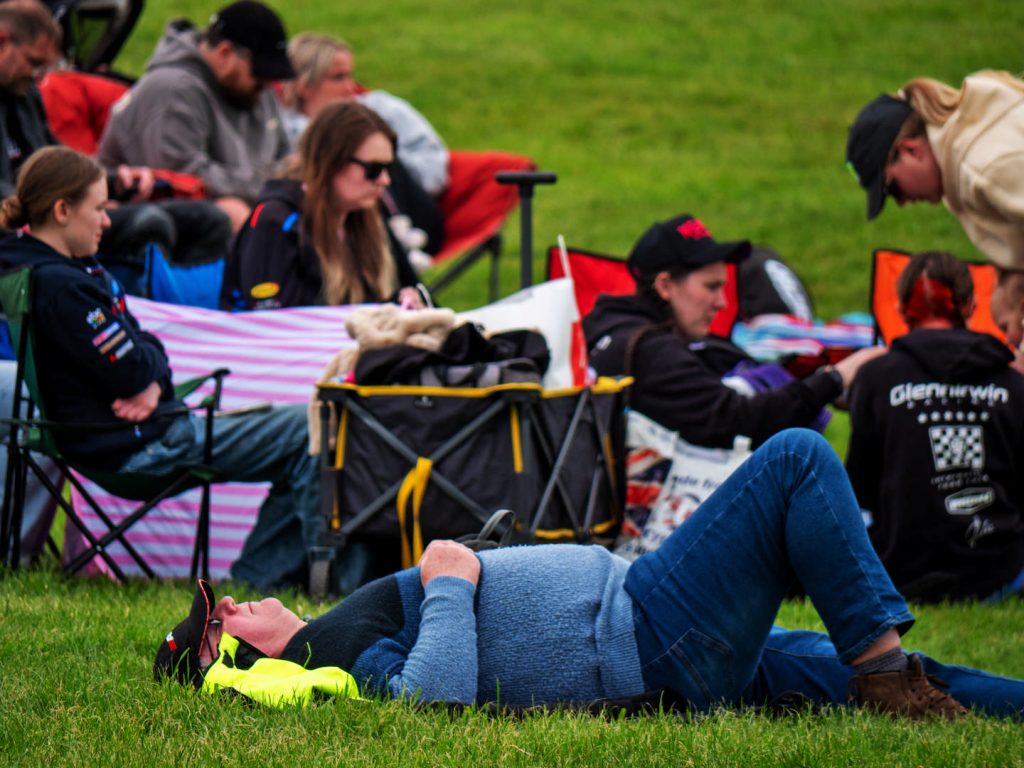
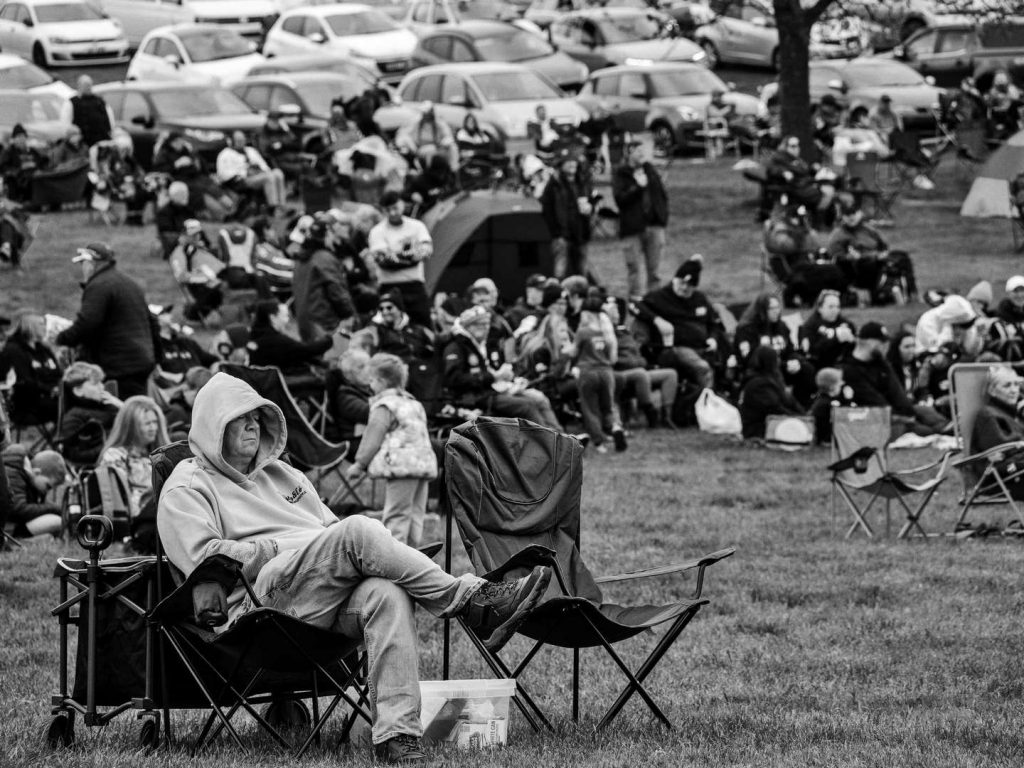
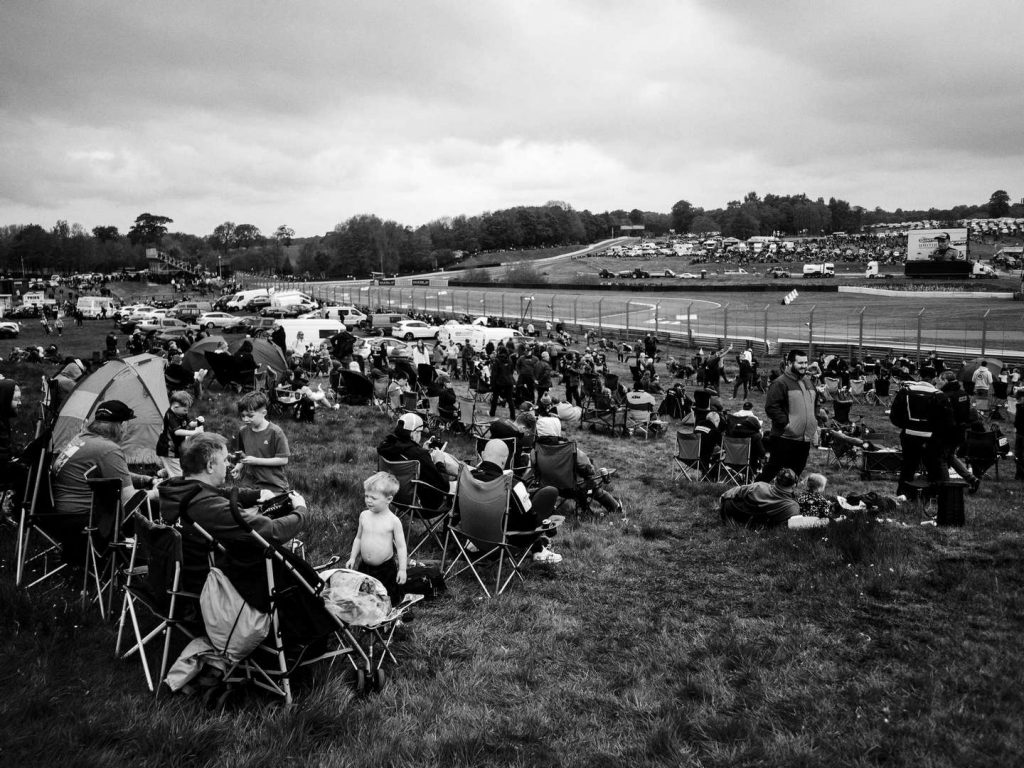
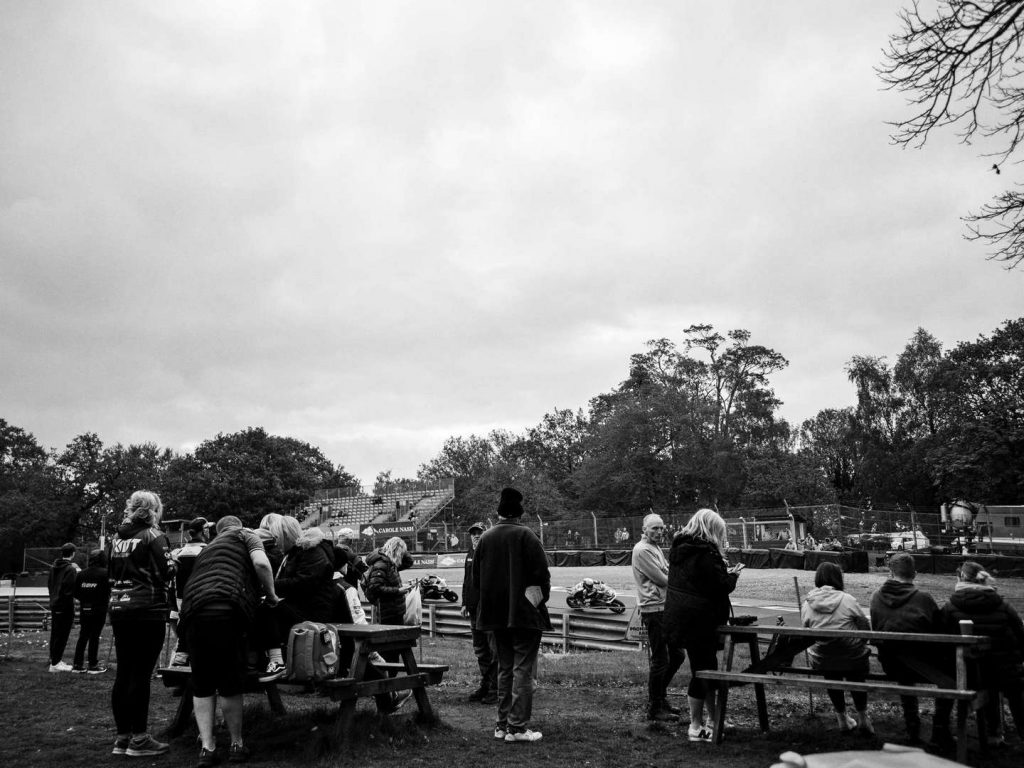
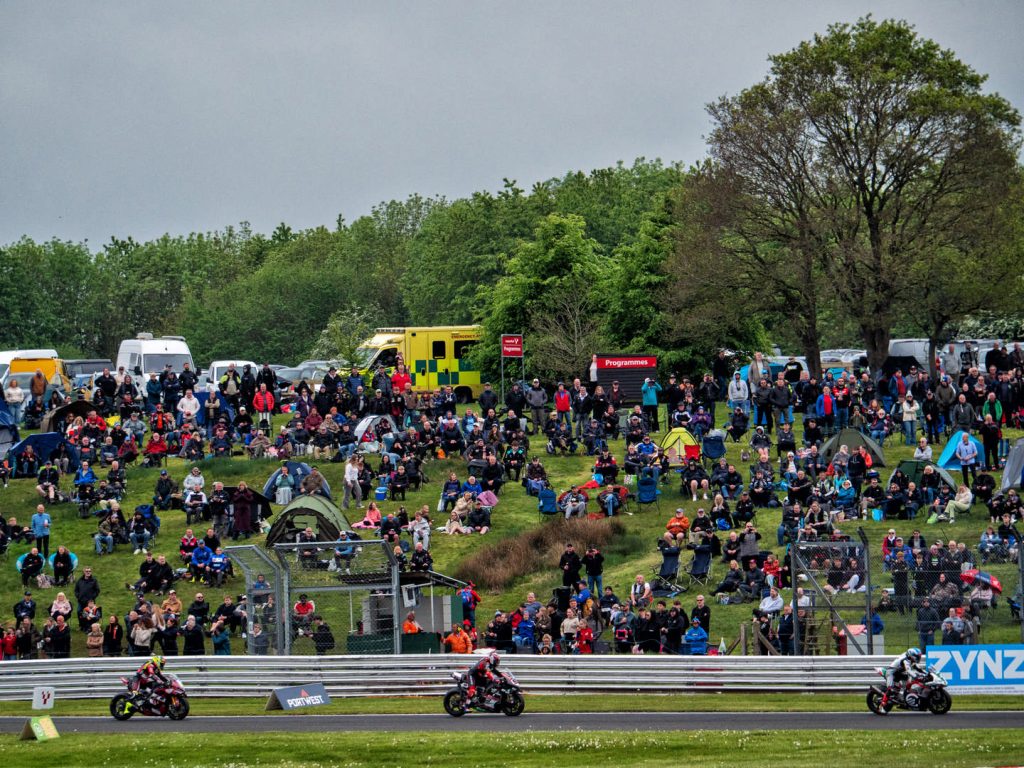
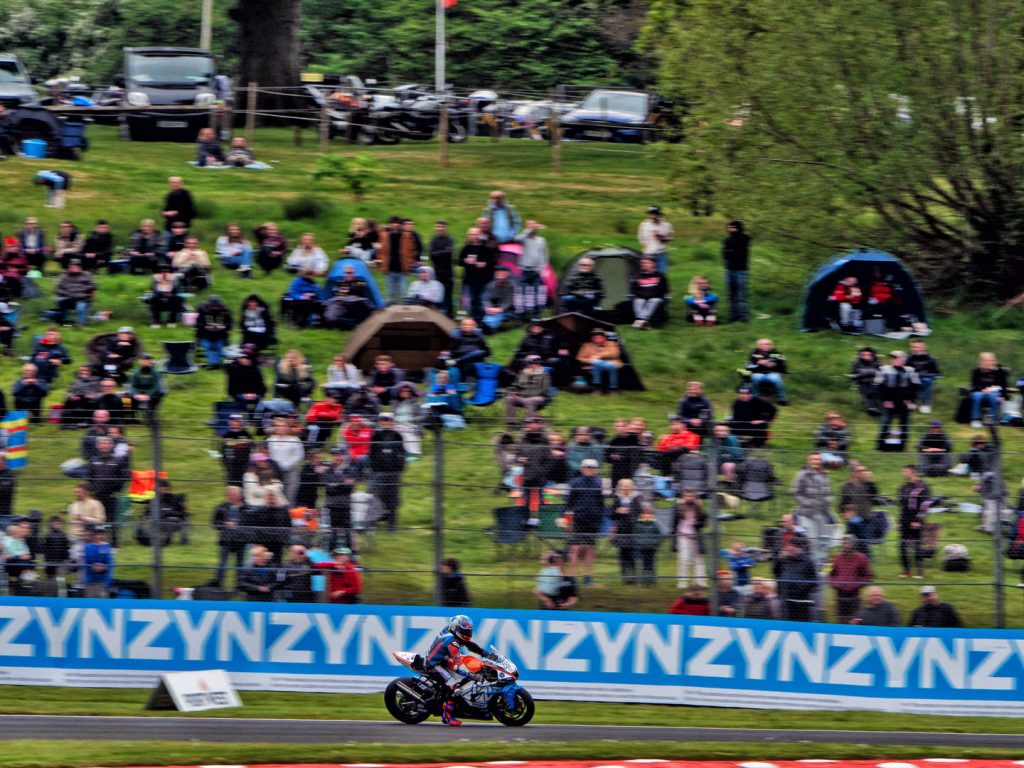
With the first race not due to start for another hour I didn’t expect the circuit to be relatively packed already, with many thousands behind me to follow in. The vibe was so different from an F1 event and something I was keen to capture. It is very relaxed, well populated with hardcore motorsport (motorcycle) fans, those who will pitch up with their gazebos and spend the whole day rooted to the same spot. There are families having picnics and barbecues trackside; bikers meeting up to chat about their bikes; fans congregating around the pits and paddock hoping to catch a glimpse of the stars.
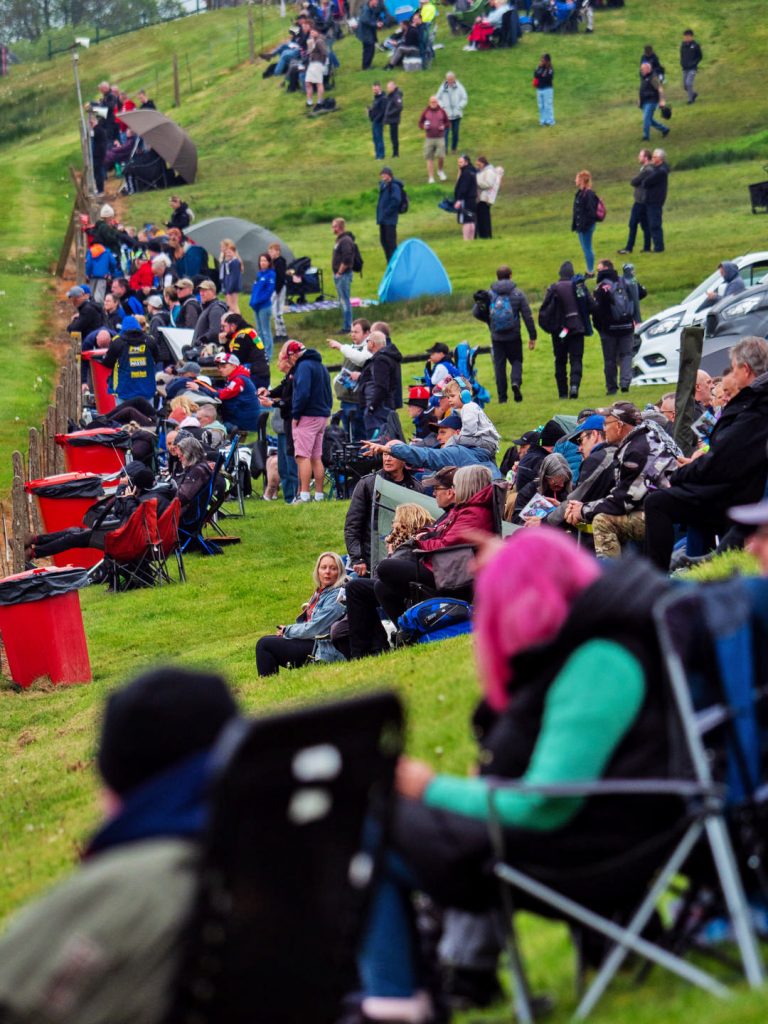
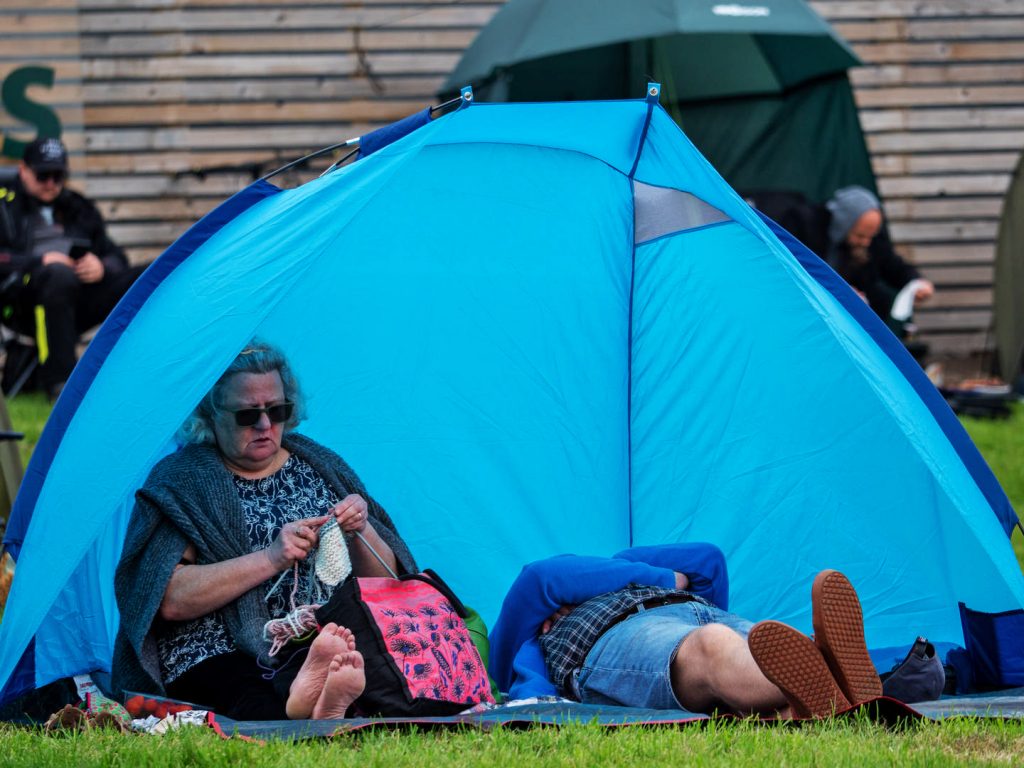
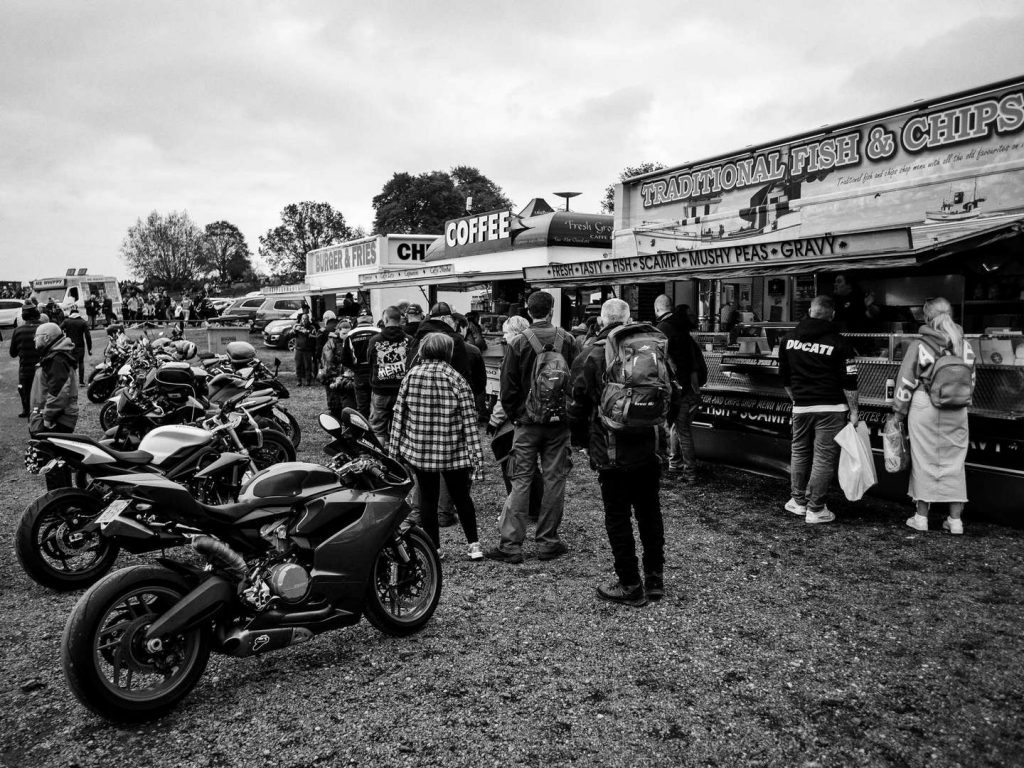
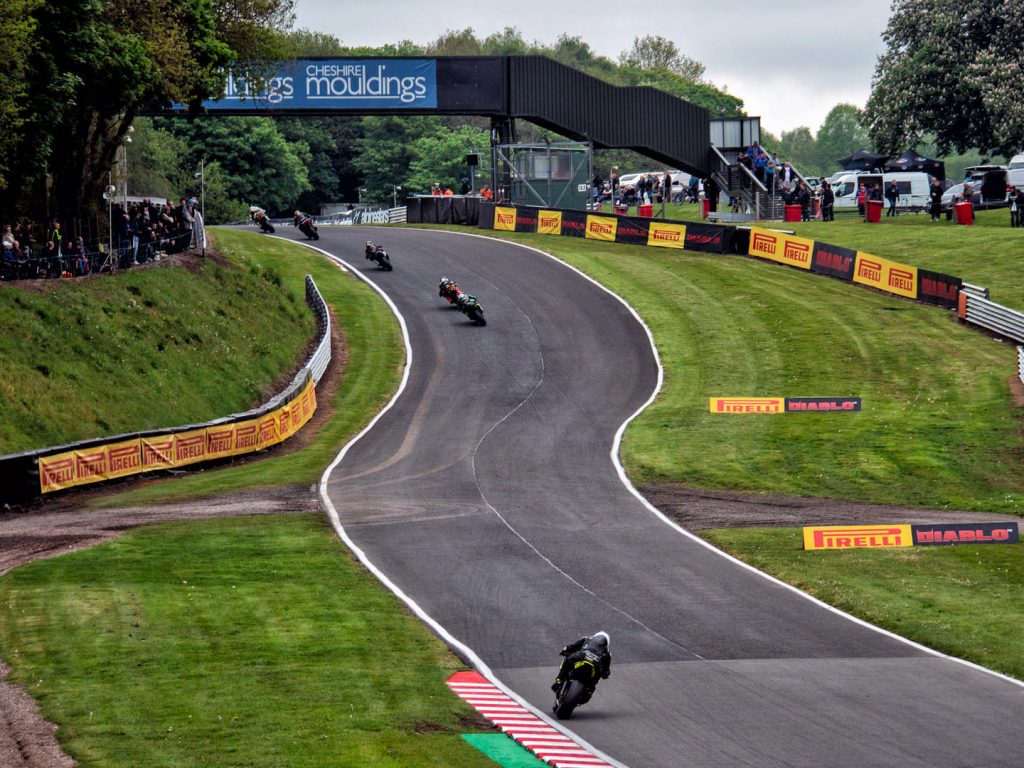
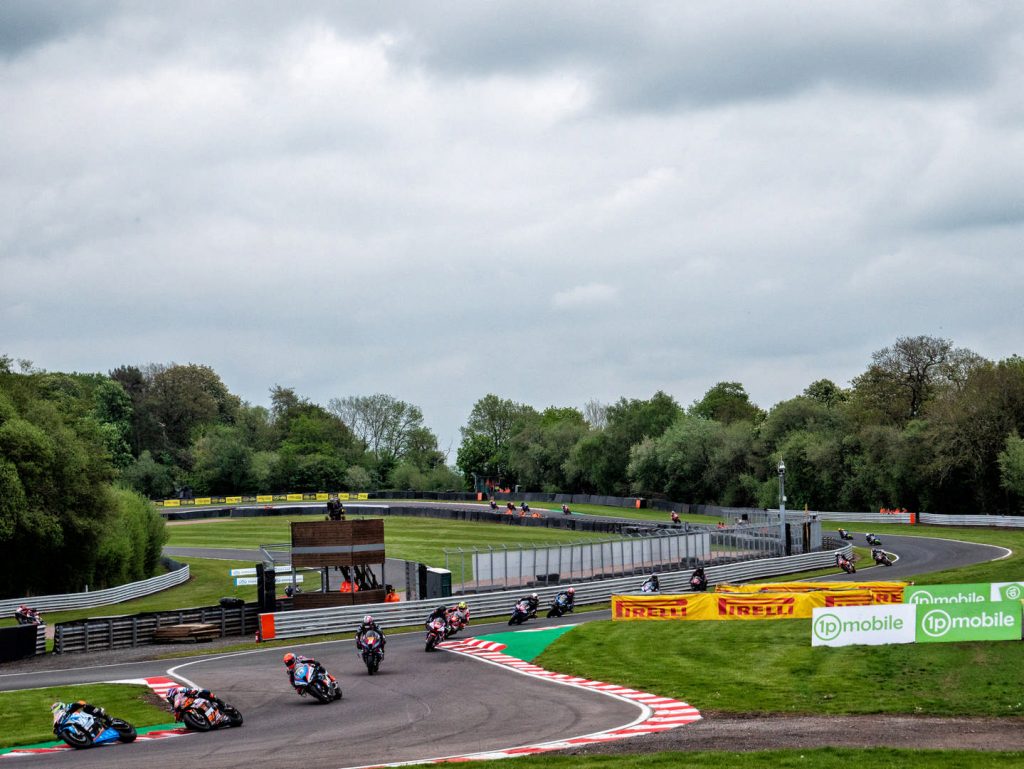
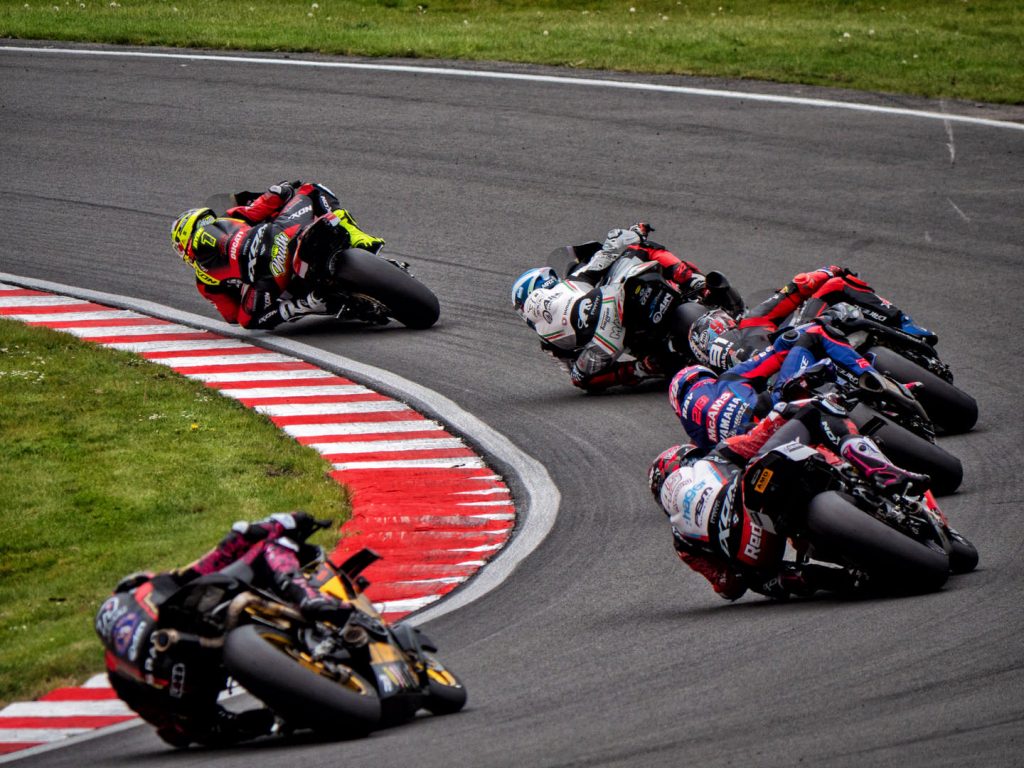
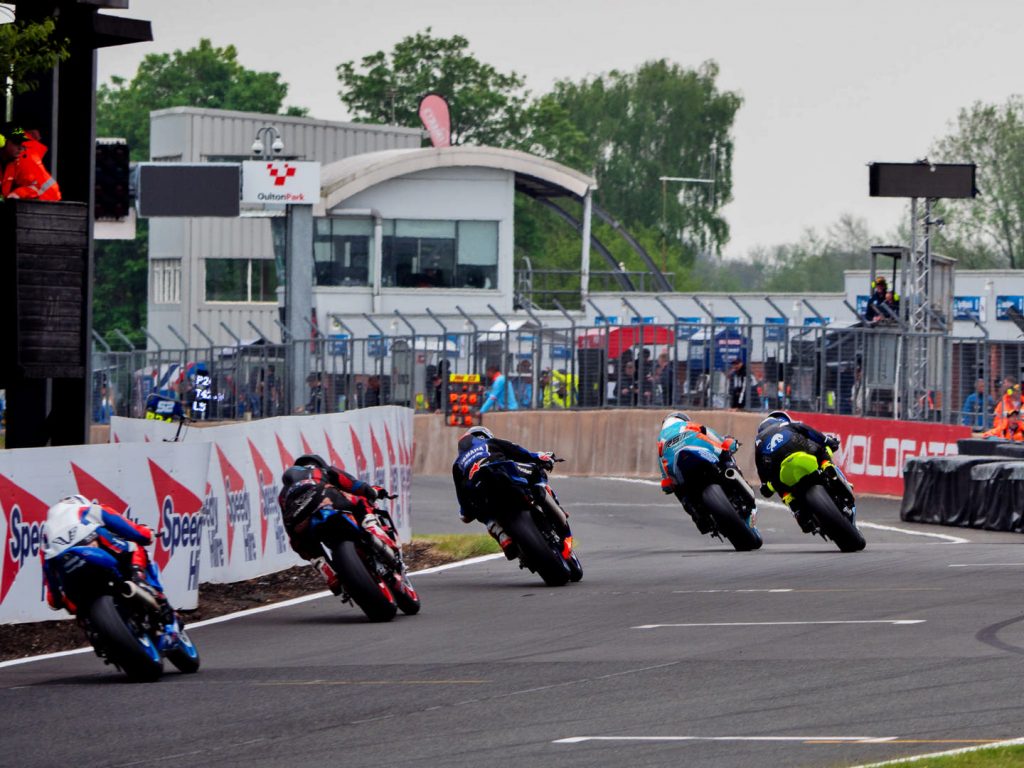
The lovely thing about Oulton Park for someone like myself who prefers to wander and explore rather than stay in one spot, is that there is plenty of variety around the circuit. From fast sweeping corners to tight chicanes and long straights, elevation changes, trees and lakes and even some (unwanted) wildlife there is plenty to explore and plenty to photograph.
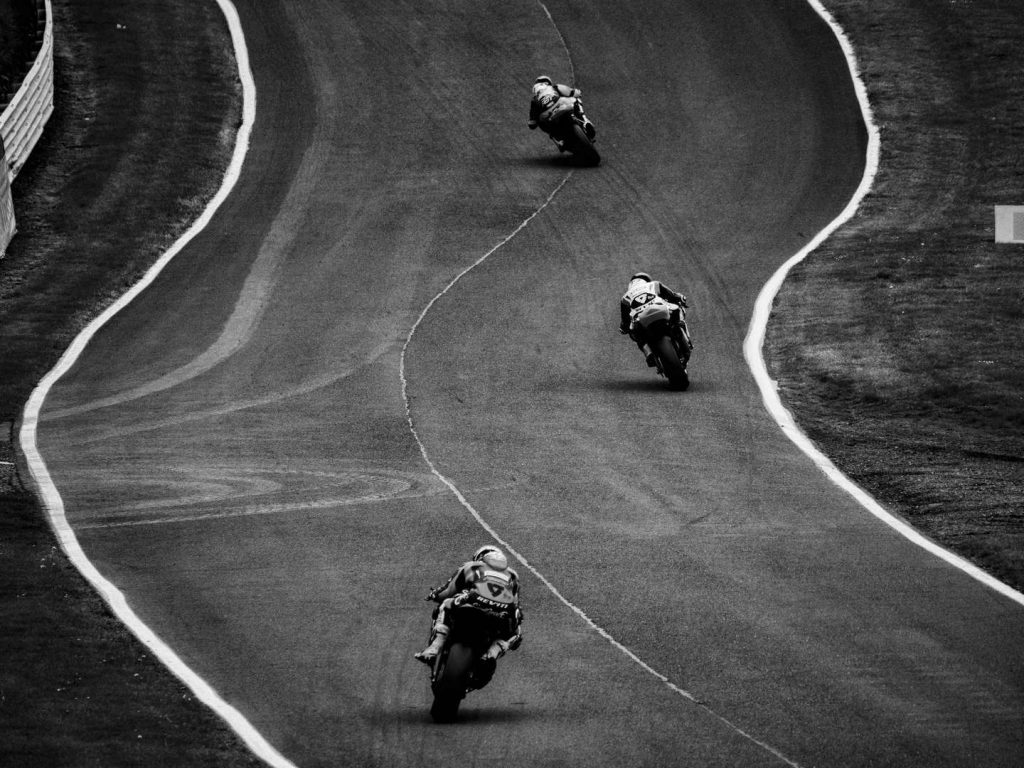
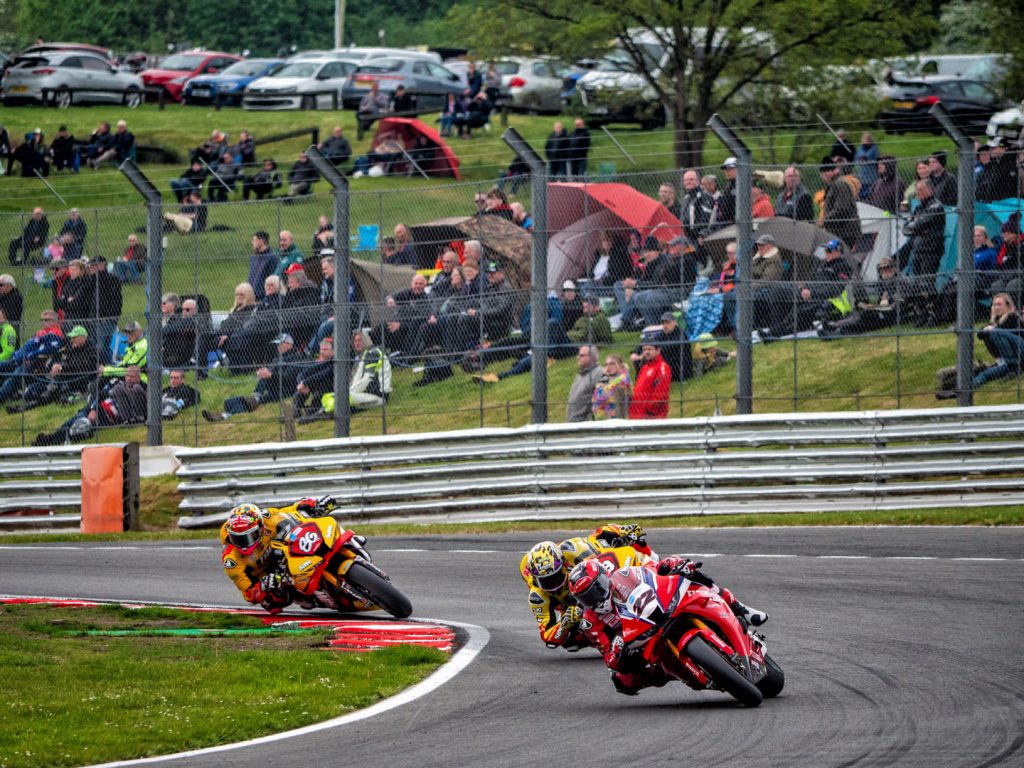
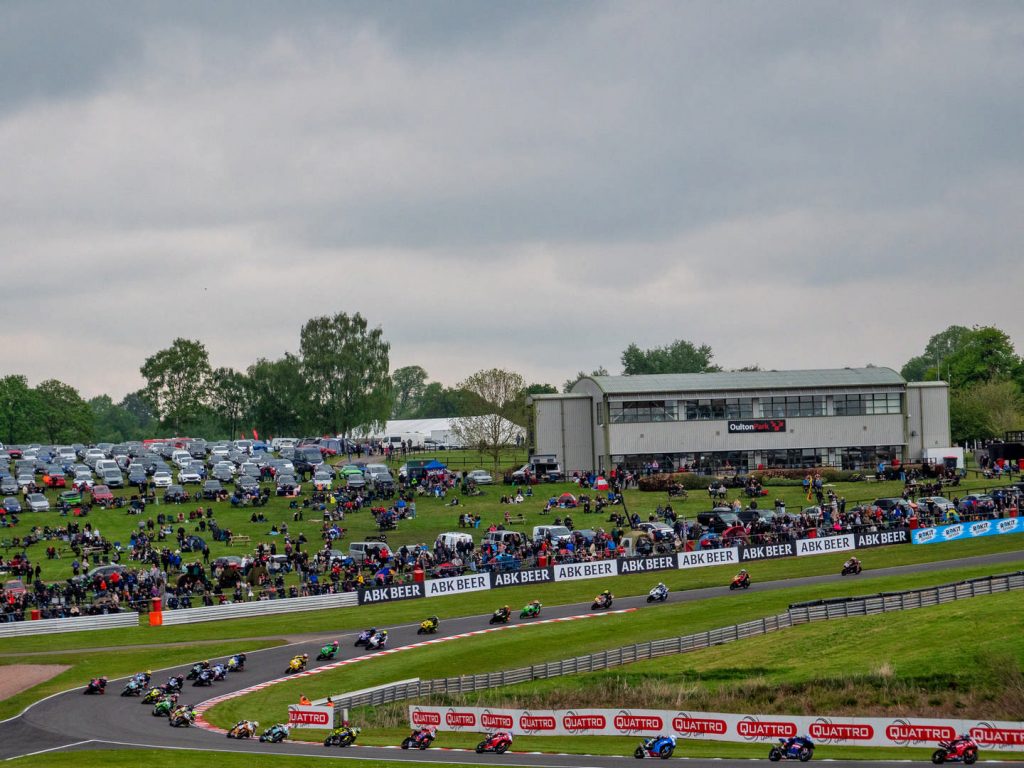
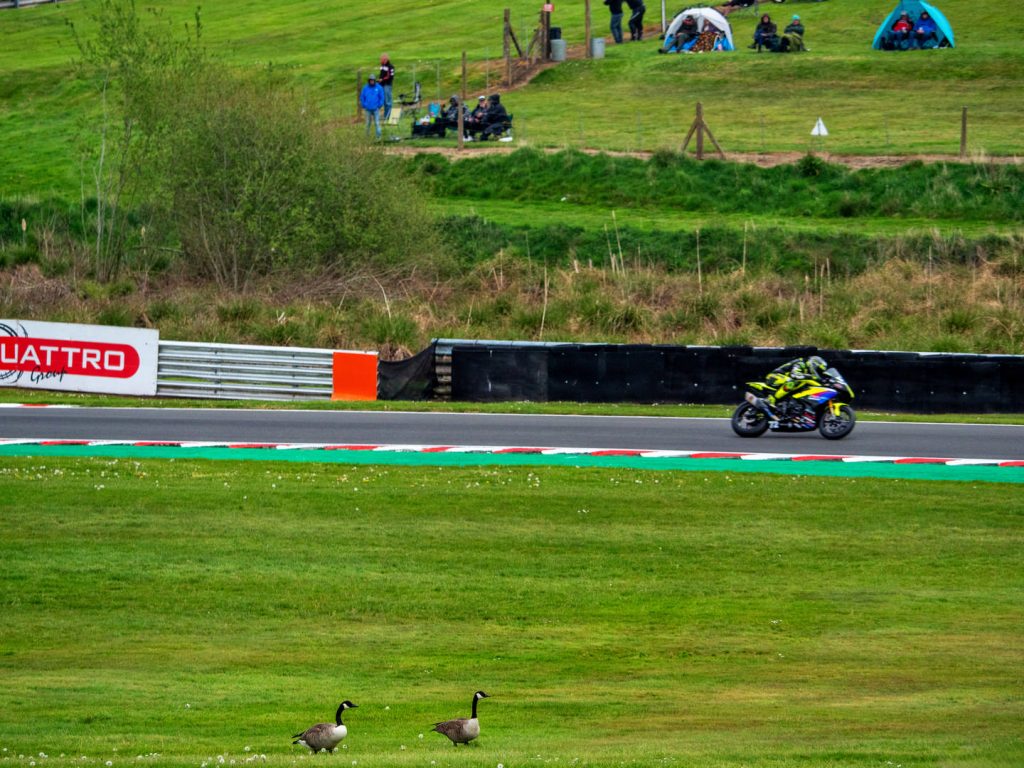
Although I was very rusty at taking motorsport photographs I did though have the advantage of knowing some of the spots that would potentially make a decent image and from knowing the shooting info of some of the best motorsport photographers in the world currently, the types of shutter speeds and aperture settings that one should look to use for any given situation.
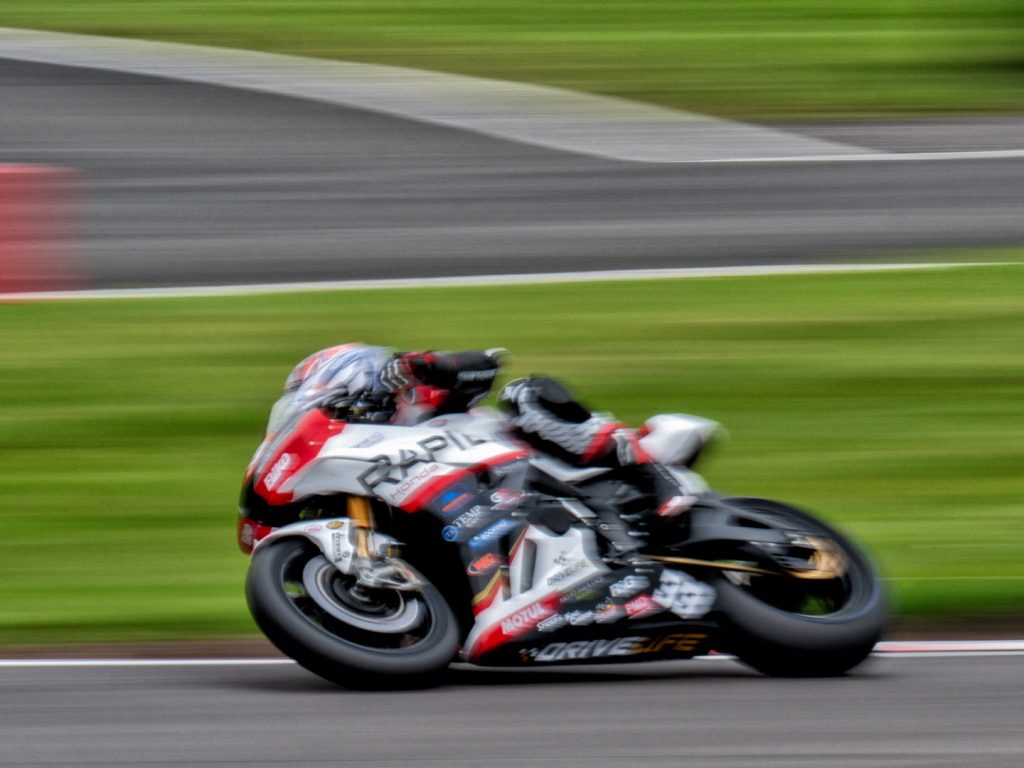
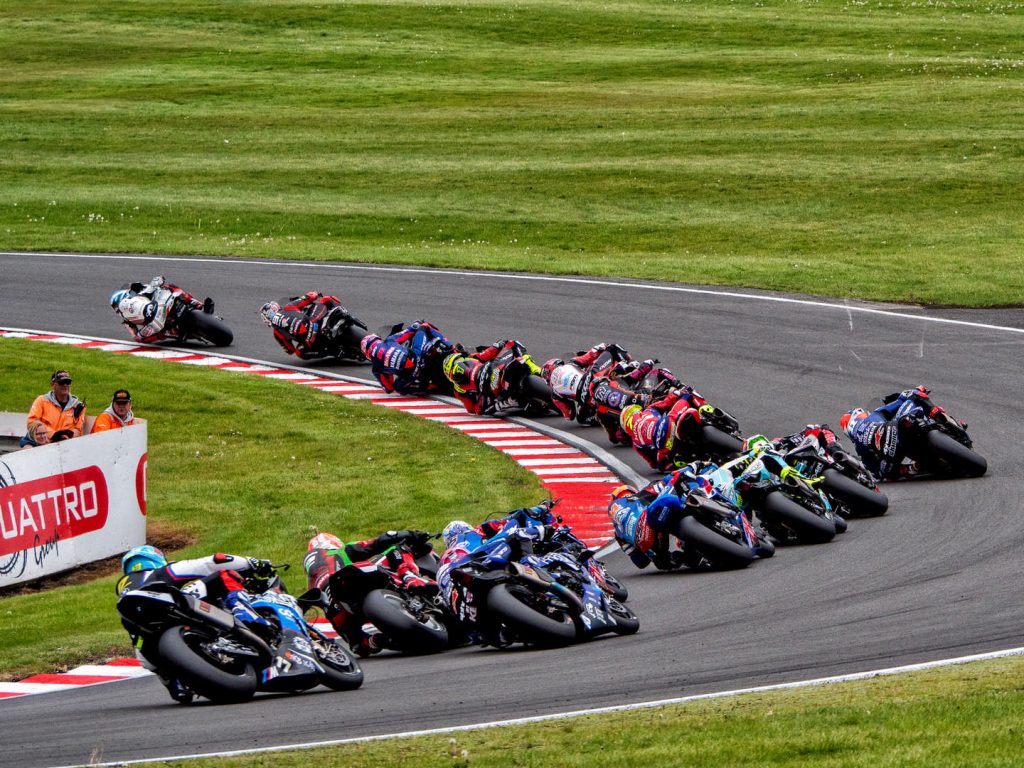
What I was doing which is probably unusual for a motorsport photographer was that:
1. I was using a micro 4/3s camera – walking around the circuit and eyeing up the gear of the many amateur photographers trackside, the usual players Canon and Nikon were by far the most popular camera manufacturers, at around 90% of all cameras I saw. I did see a couple of fellow Lumix photographers – I don’t recall any Sony users.
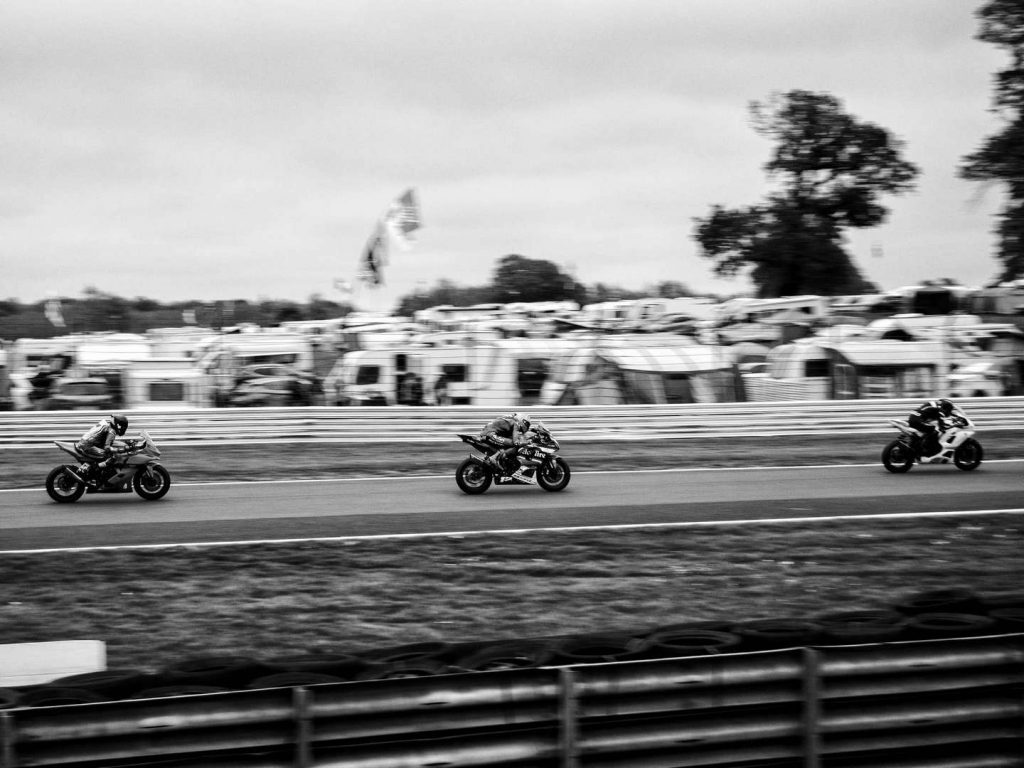
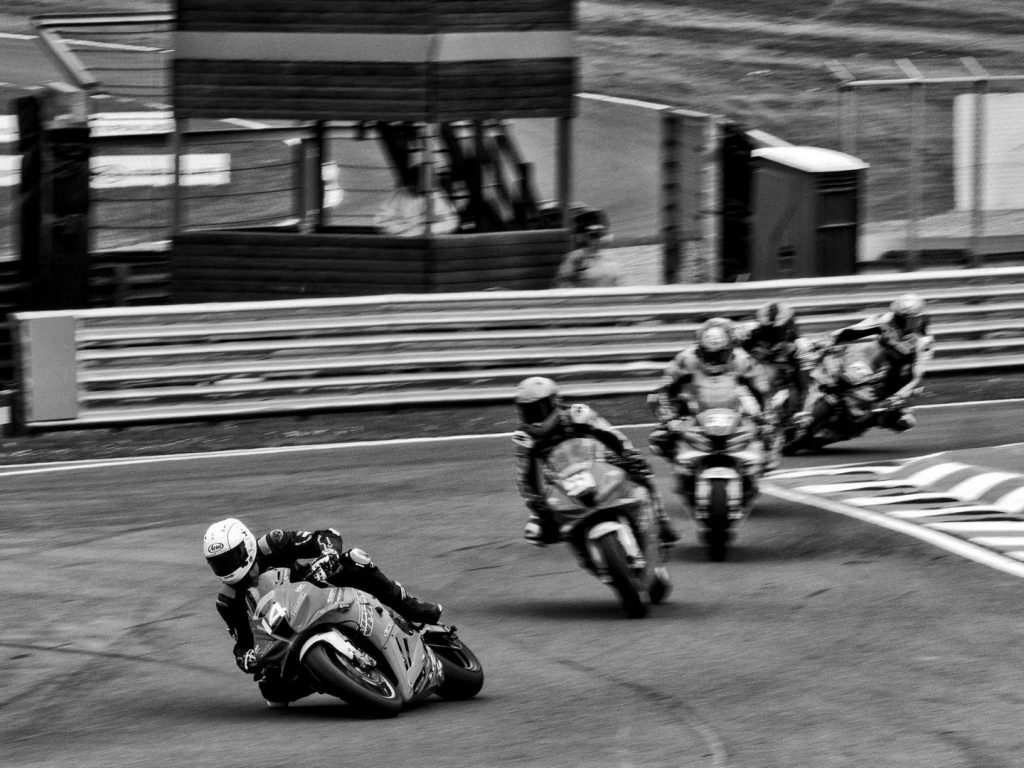
2. I was continuing my year long choice of shooting black and white JPEGs and raw. You don’t see a lot of black and white motorsport action published professionally. Over the day I grew to quite like and it came in quite useful in the way I am shooting. The G9’s autofocus is something that I am still not that proficient in using – the settings are deep and complex – and quite often what you see being shot is not what ends up being developed, in that the camera appears to be out of focus and hunting, but is actually taking sharp images.
For the most part when shooting action I used the manual spot focus technique that I used back in the old days when taking pictures of F1 cars that went often go too fast to cope with the AF of the SLR cameras we were using. The nice thing about the Lumix was that when I hit the shutter button the red focus confirmation lines would appear. I know there is a setting on the G9 which lets you use a monochrome live view but shoot colour, but I prefer to see the shots I take on the back of the camera in black and white.
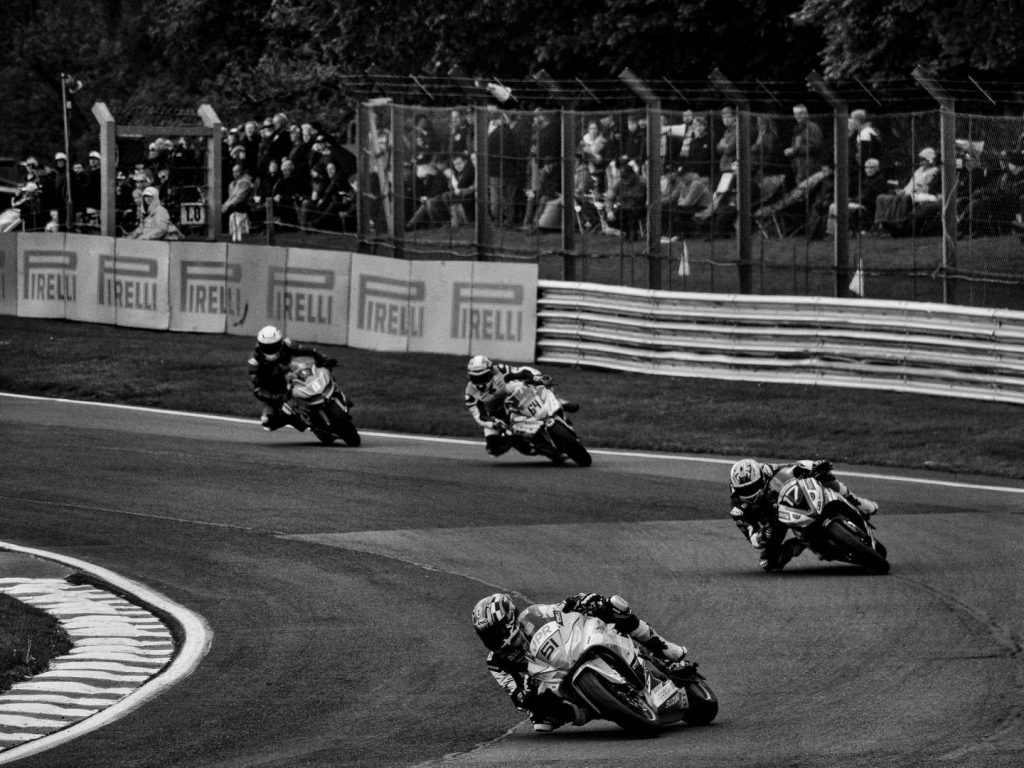
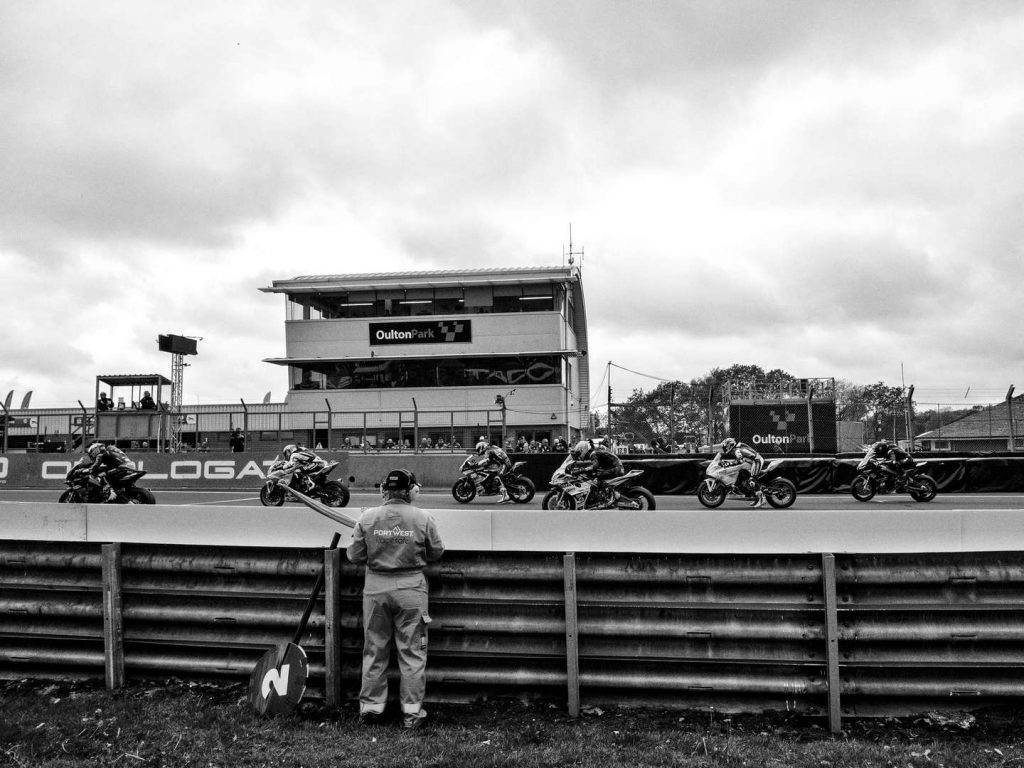
What I did do post meeting and edit time though was to just edit the raw, and then convert to black and white – using the excellent Nik Silver Efex the shots that I knew in advance would work well in black and white. This was generally most of the pictures of the spectators, but also some of the action shots were really quite pleasing in black and white.
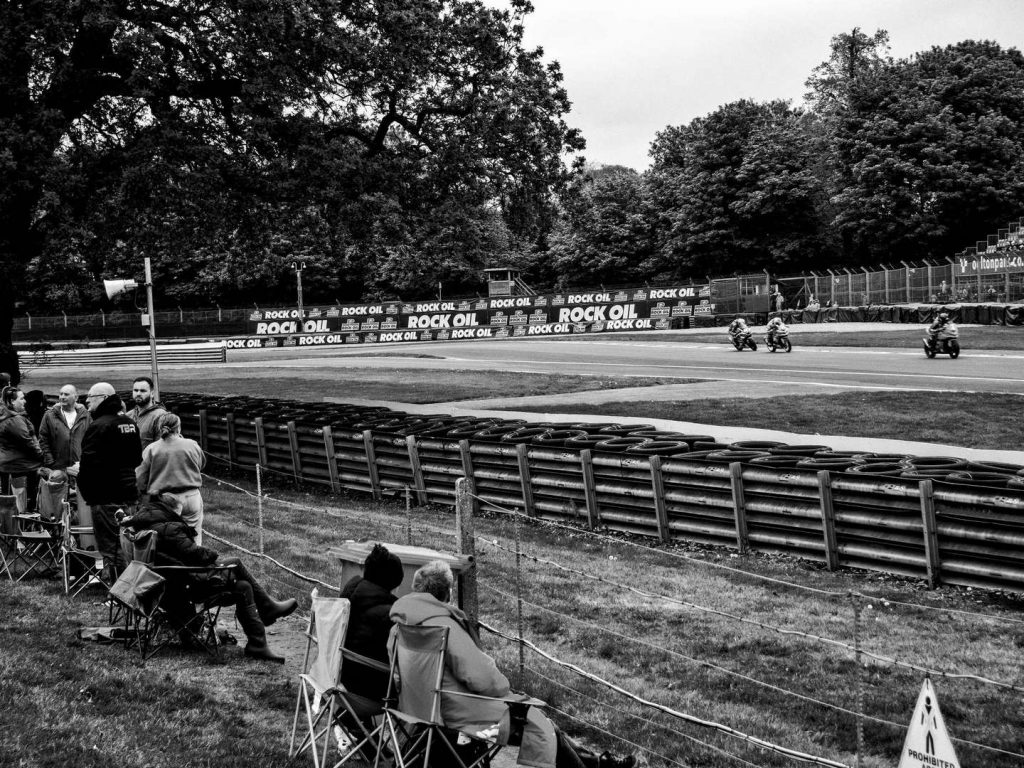
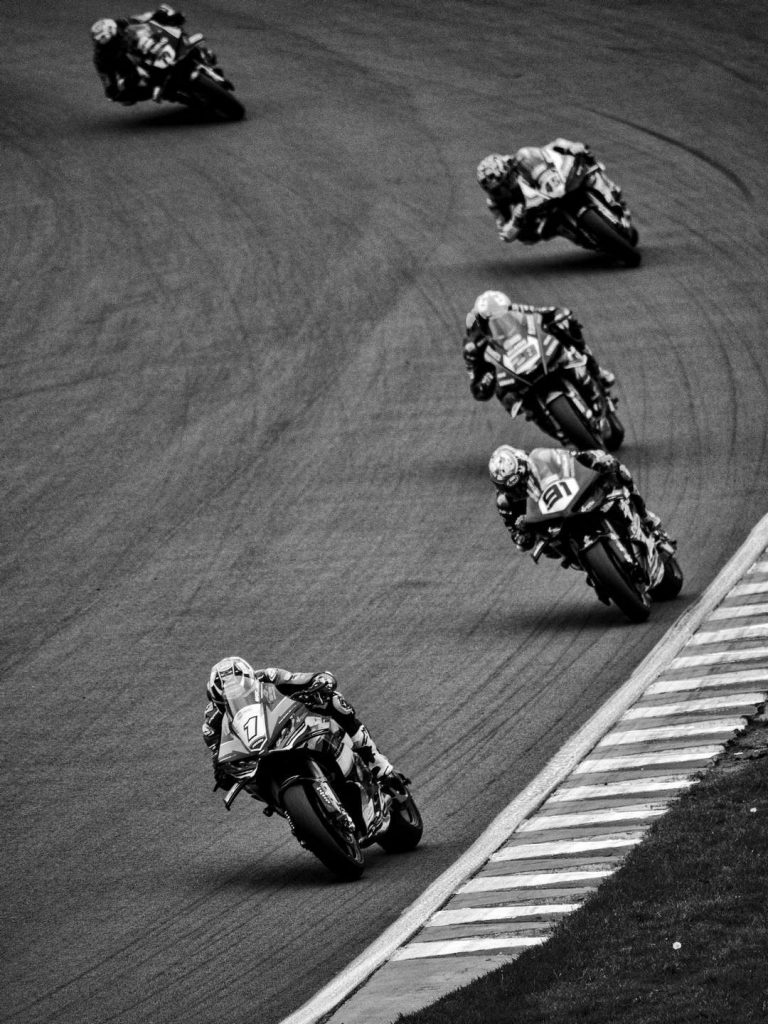
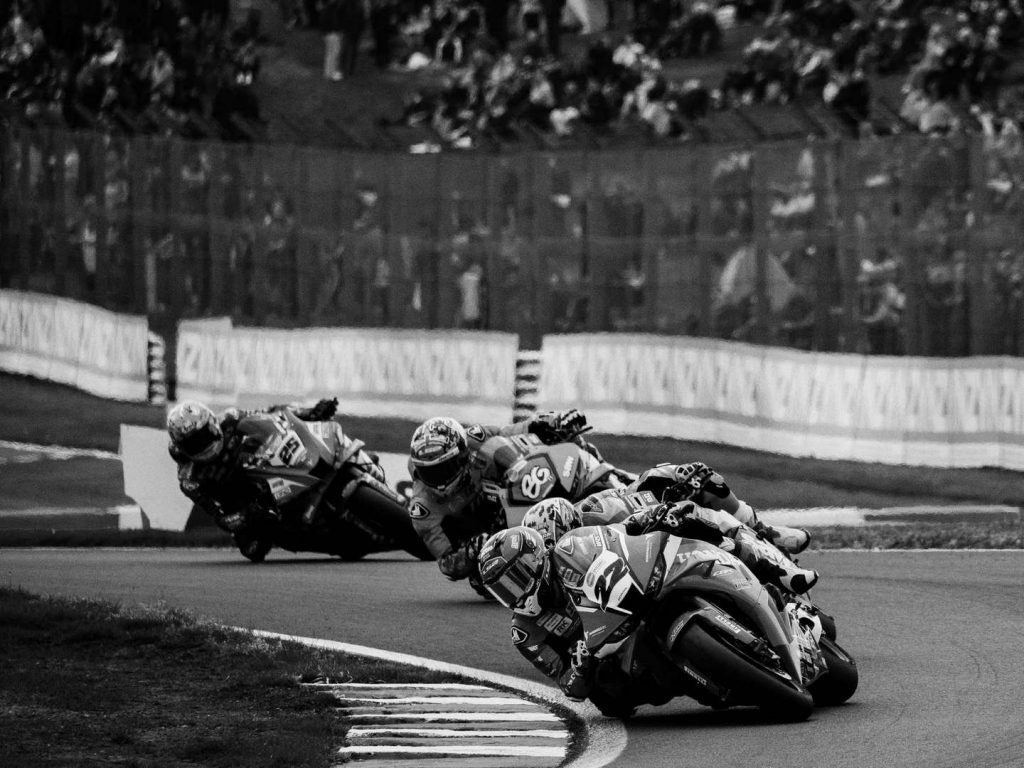
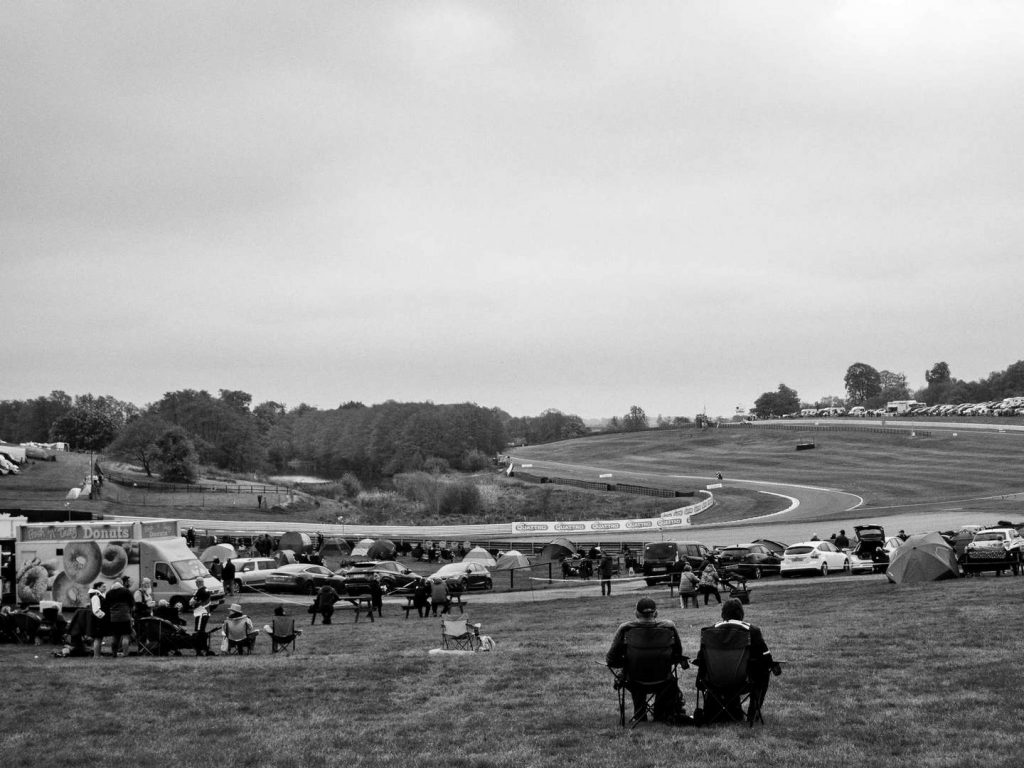
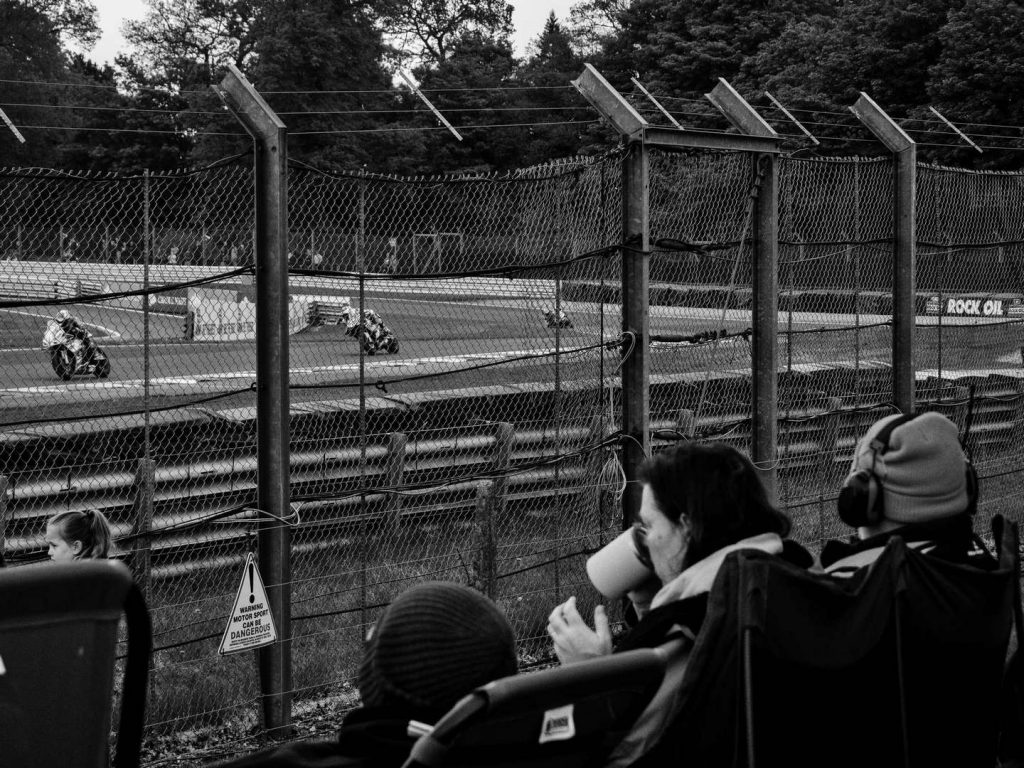
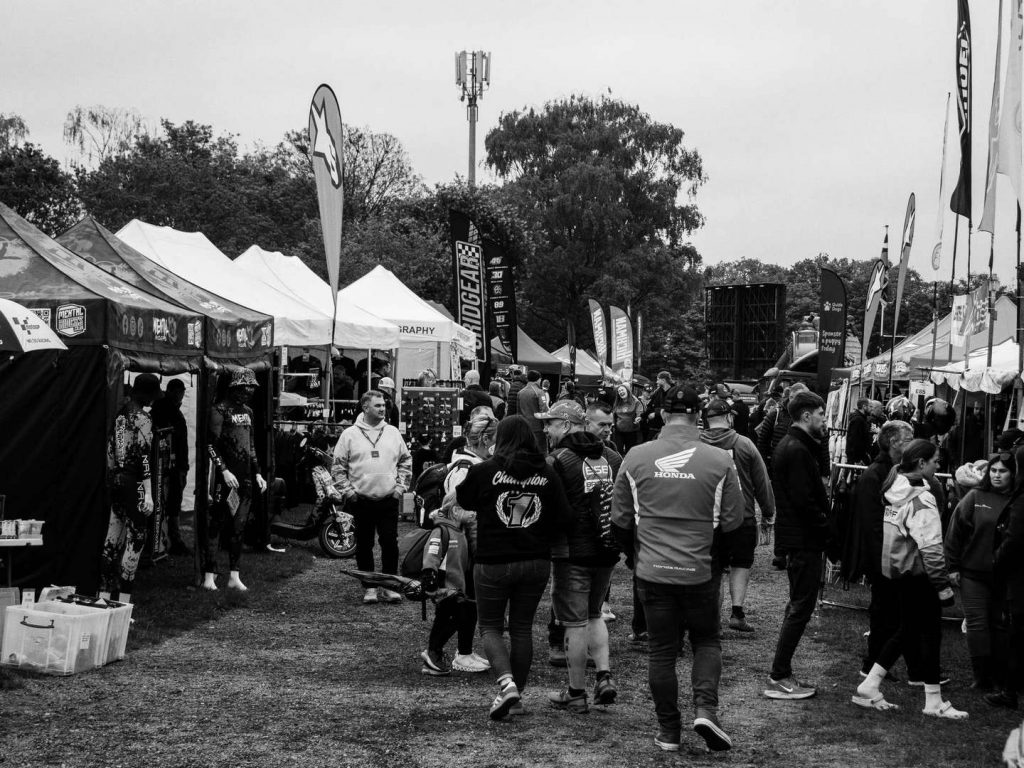
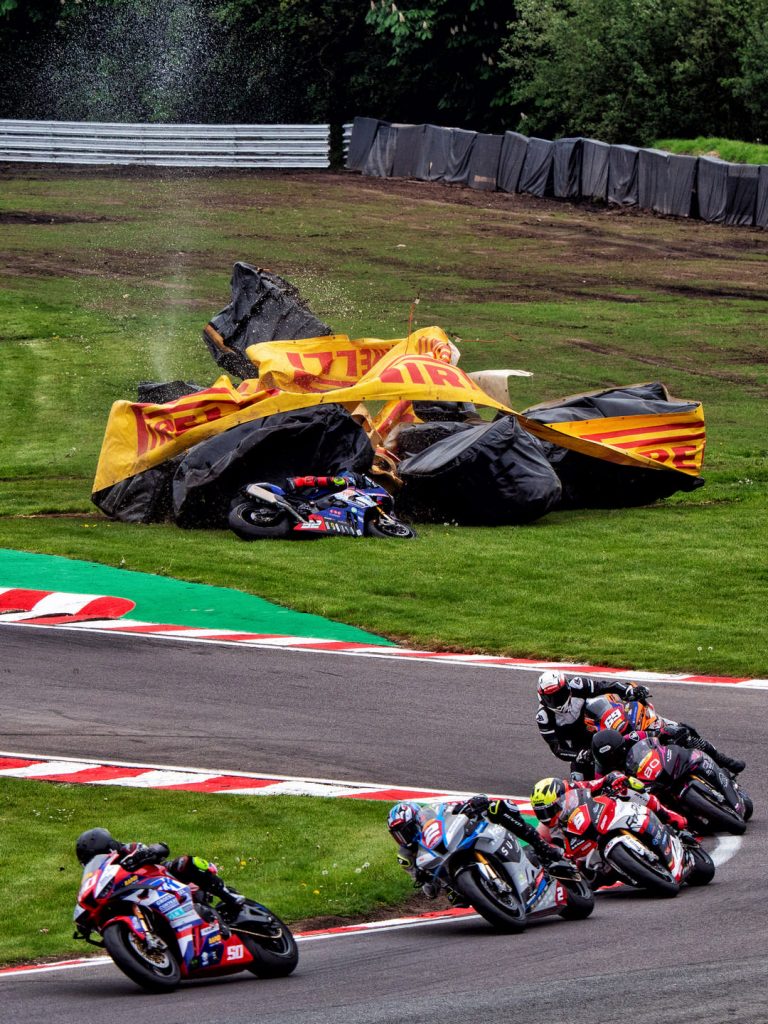
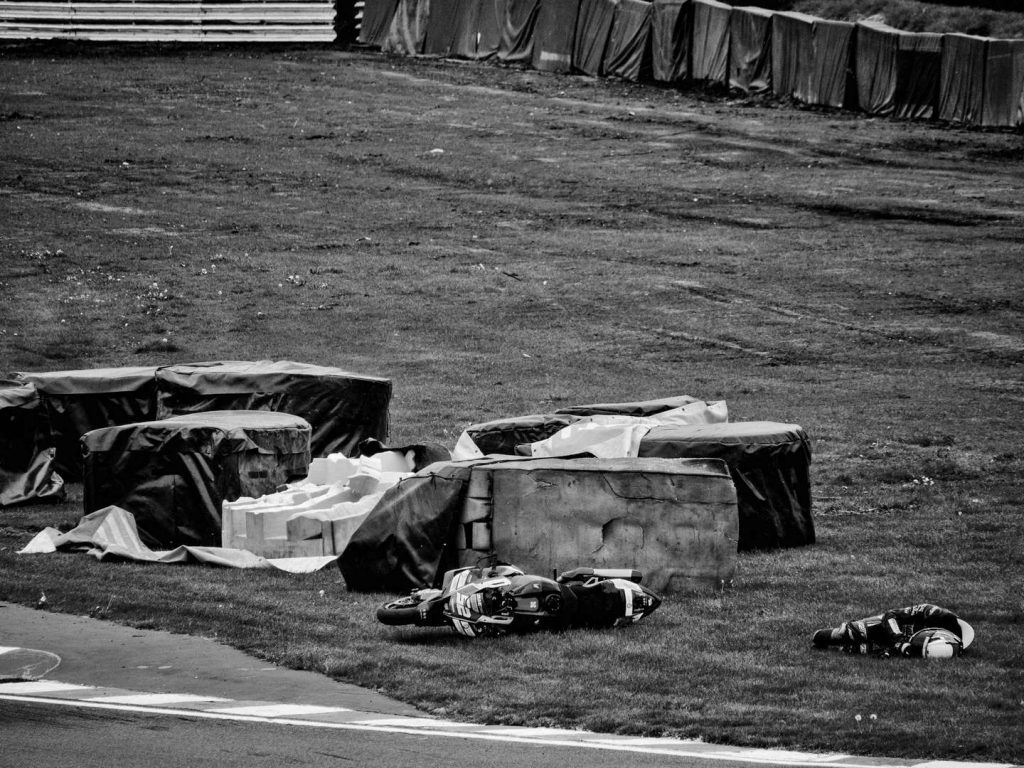
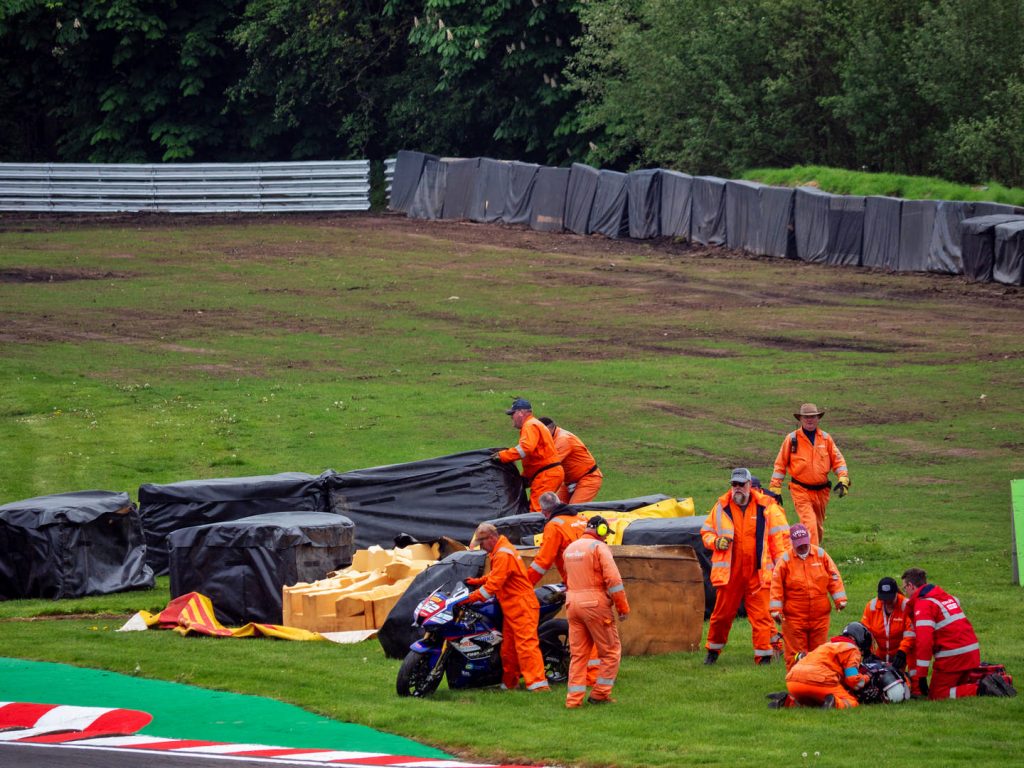
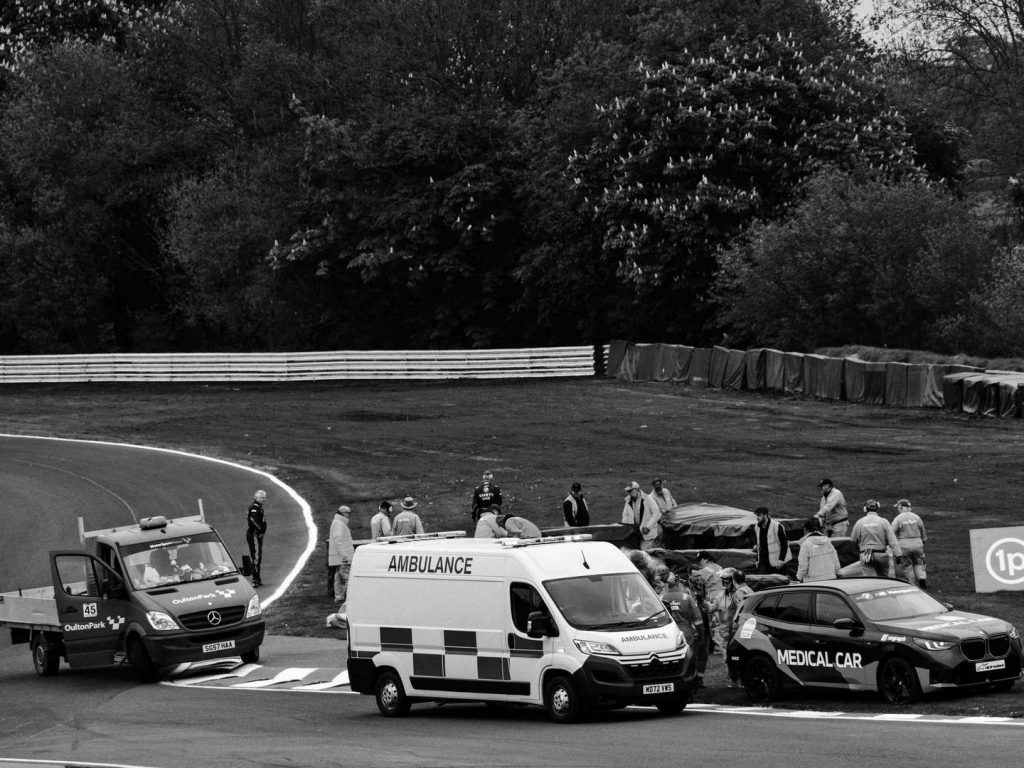
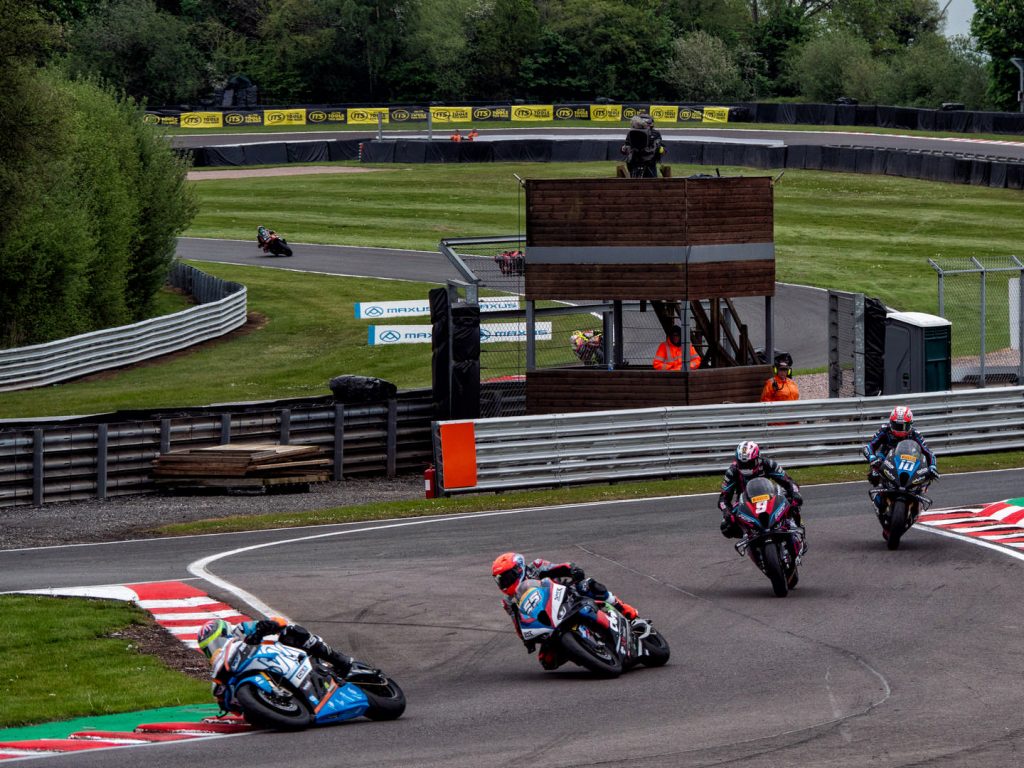
We stayed until the end of the last race, my daughter a true trouper in the sense she did not complain once despite us walking 16,000+ steps and the racing not being the most exciting I have ever seen. The bikes though were cool to watch – they are much quicker in real life than they look on the TV screen. I was pleased with what I photographed. I lucked in on catching the one major race stopping crash of the day – I had changed position at the chicane on the lap where I was able to catch a rider appearing from under the tyre barrier he had crashed into. As they lay prone trackside I feared the worse, but a ripple of applause a few minutes later as they were put in the back of the ambulance hinted that they were not too badly hurt.
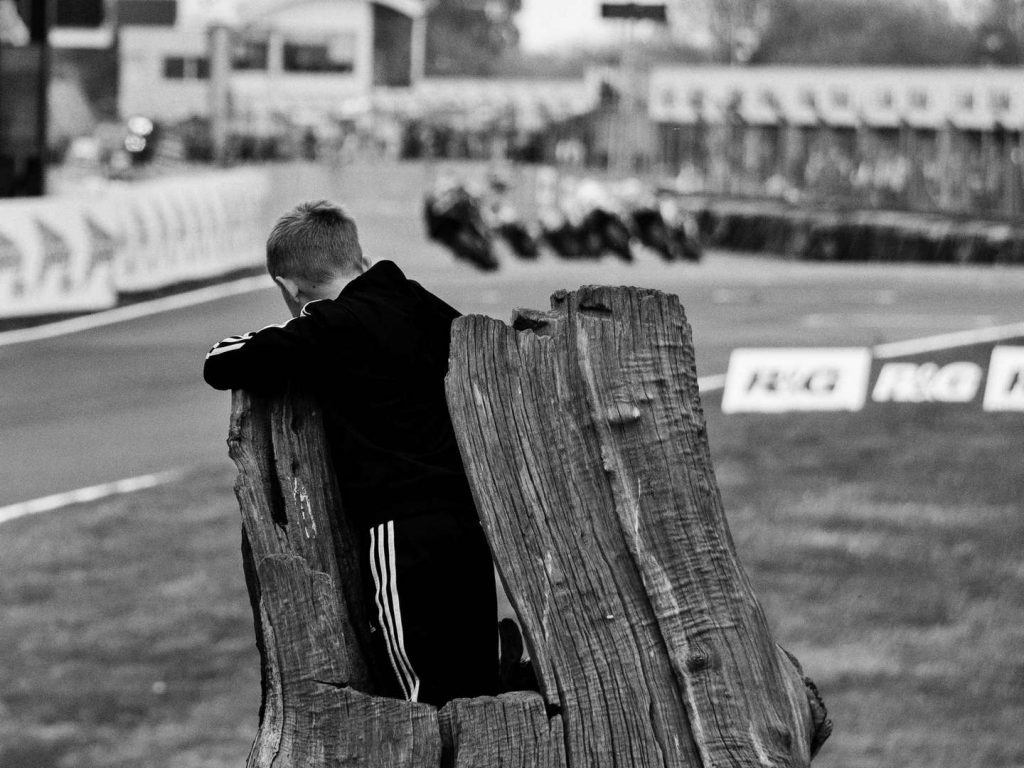
I also saved probably my favourite shot of the day until right near the end – a boy entertained by climbing a dead stump of a tree and watching the action which I was able to capture in a quite pleasing manner.
I was pretty impressed with how the G9 performed. I was using the official vertical grip – an absolute bargain at £40 second hand – and by the end of the day I shared the opinion of many that ergonomically it may be one of the very best cameras ever made for a professional photographer, so long as they back button focus! It is supremely comfortable to hold for long periods and once muscle memory kicks in, all the buttons and dials are very well placed.
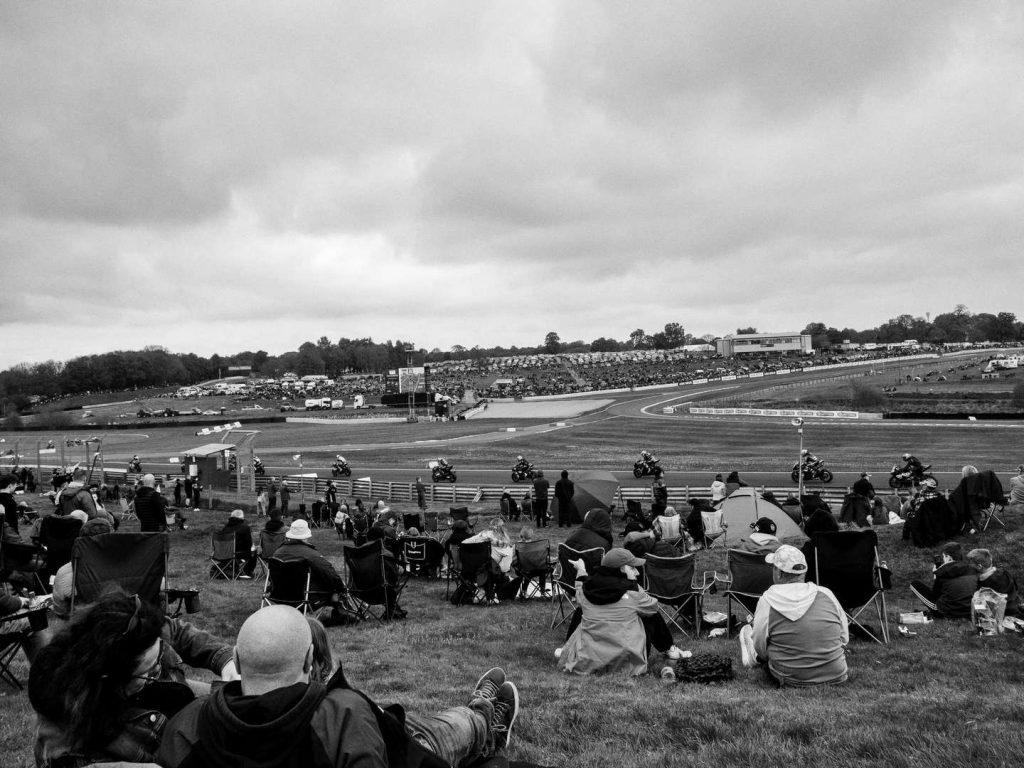
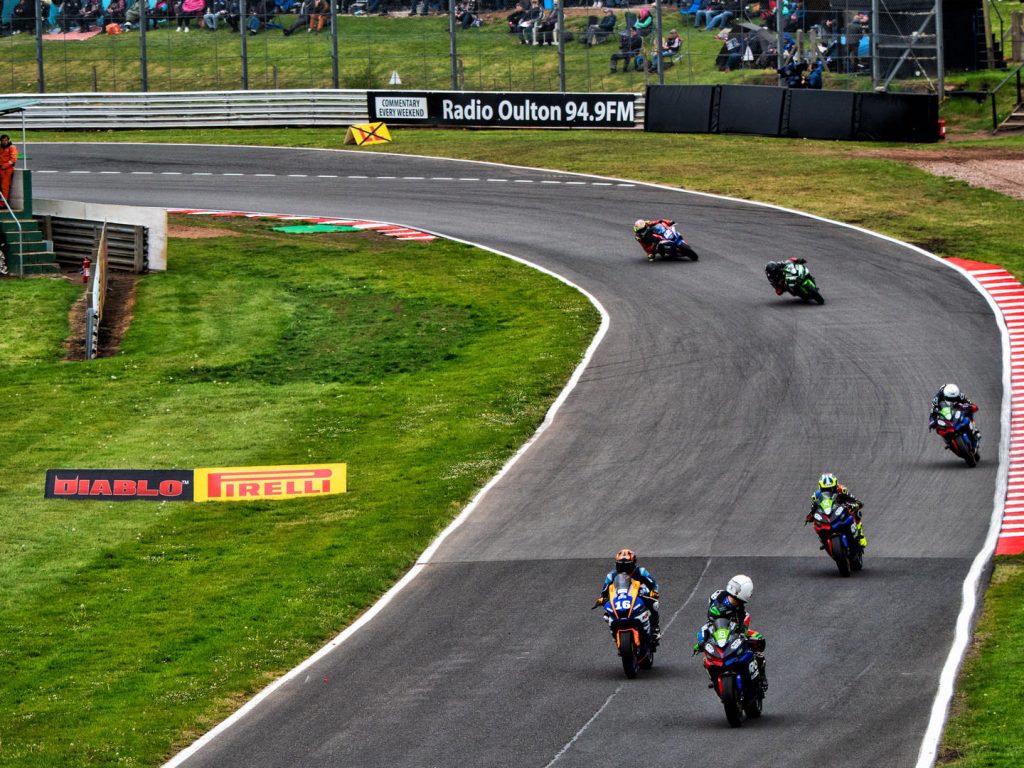
I was very impressed by the sharpness of the 100-300mm lens. As I stood next to photographers with 500mm lenses five times the size and weight of my lens, I could feel quite content that I had 100mm extra reach and the ability to easily handhold the lens, which isn’t the case with your full frame 500mm lenses (With that said, I would definitely benefit from a monopod for the pans I was attempting with very little success). Yes I lacked the ability to knock out the background shooting mostly at f5.6, but I was able to capture the oncoming bikes more easily due to a greater depth of field and was able to frame the pictures deliberately in a way that focused on what was going on with the background.
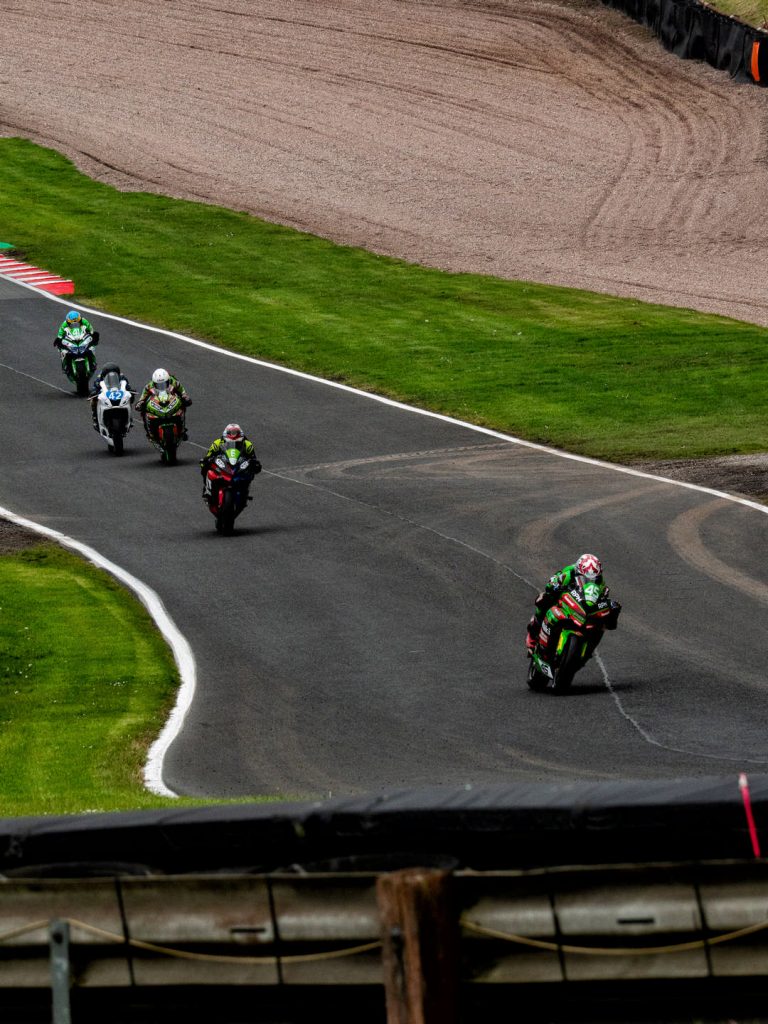
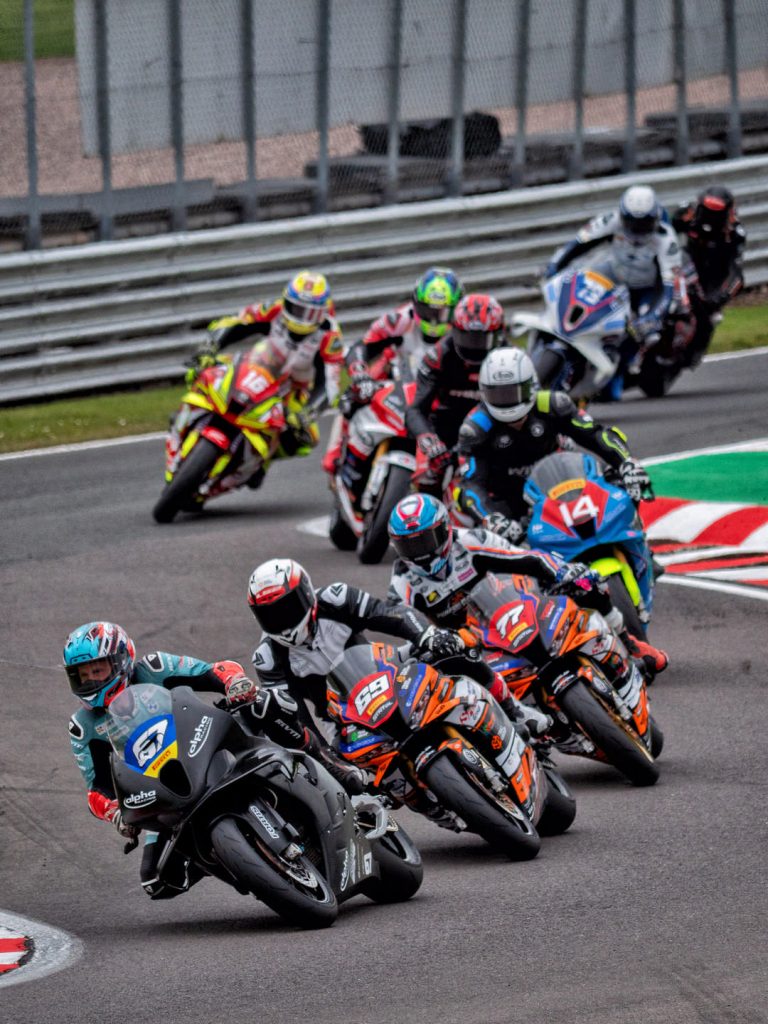
So my unofficial return to shooting a motorsport event was most enjoyable. I hope I succeeded in my personal brief to capture the unique atmosphere of a Bank Holiday Monday event in the UK, offered a view of the track action that you don’t always see the professionals shoot, and maybe took one or two photos that would pass the blind test if they were thrown into a pool of professional images.
Leave a Reply