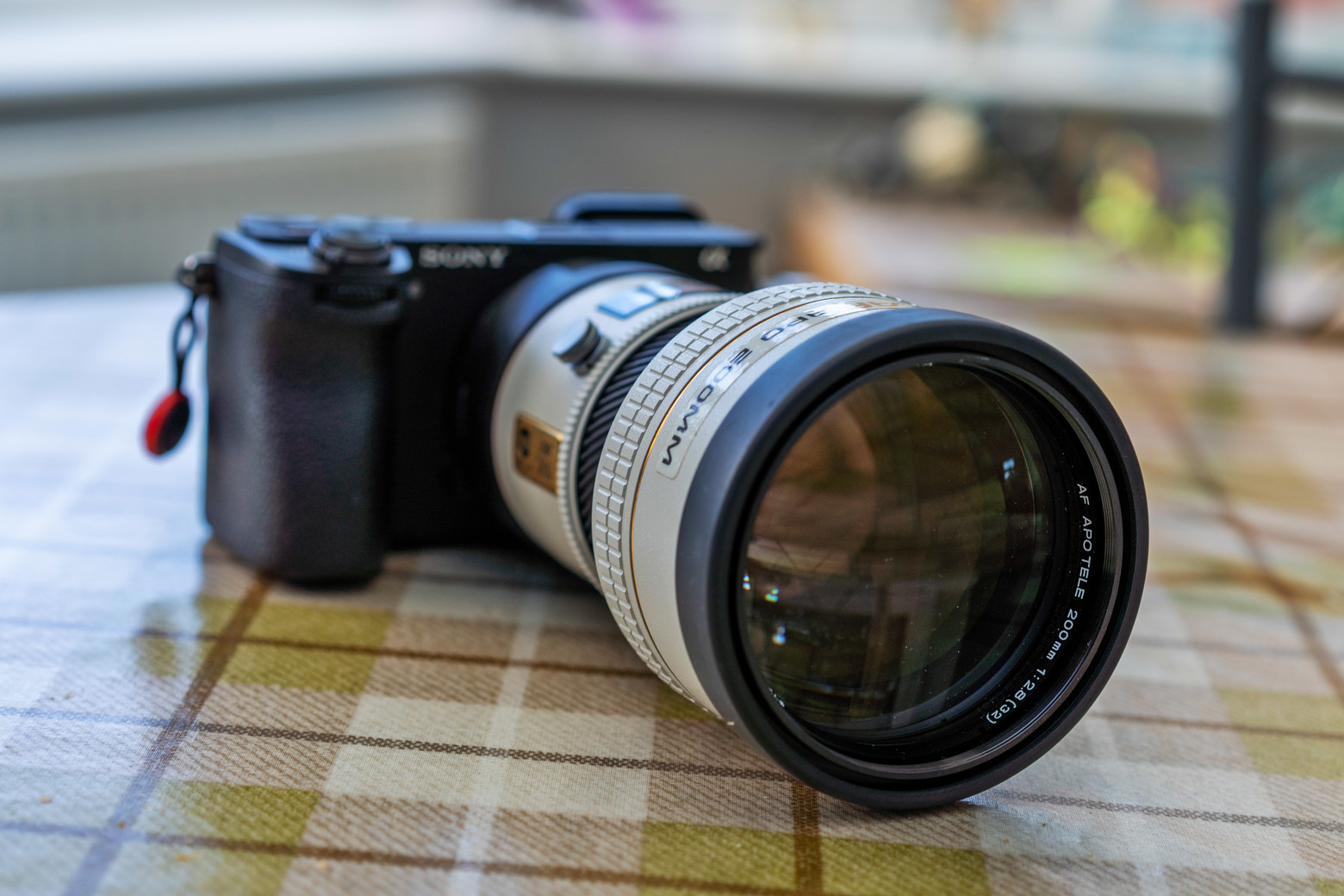
I was most pleased when the Random Lens Generator married the Sony A6700 with the Minolta 200 f/2.8 G APO HS for my short autumnal walk around the outskirts of Grantham last week. Pleased because it’s a combination I’ve not used before and a partnership that I would unlikely use in such a scenario. This is precisely one of the reasons why I began this project in the first place – challenging myself with equipment that wouldn’t ordinarily be my first choice.
I purchased the 1988 manufactured Minolta 200 f/2.8 G APO HS late in November 2025. My second lens that I ordered from a Japanese eBay seller, as British / European copies of this lens on sale were (and I think still are) virtually non-existent. It’s revered as one of the best Minolta lenses ever made, compact and lightweight for a 200mm f/2.8, yet capable of producing stunning images with the classic Minolta colours. It scores 4.91 out of 5 on the Dyxum website with nearly 100 reviews, one of the highest averages for a well reviewed lens. It’s also a white lens, which, thanks to Canon, instantly makes people assume you are a professional when they see it attached to your camera, which can be a pro or a con, depending on the circumstances!
Its strength is undoubtedly as a portrait lens – in most scenarios an outdoor portrait lens, and I have used it for three portrait shoots now with very pleasing results – especially at an ad hoc session days after receiving it last winter in a garden centre, where its impressive sharpness wide open really paid dividends in melting the background so that the location was all but unrecognisable.

The photo walk it was being taken on was the first time I was using it on the APS-C Sony A6700. A drawback of a 200mm portrait lens is that your subject is quite some way away – you find yourself wishing you had a loudhailer to give instructions to your subject, and the Super 35 crop makes it a 300mm full frame equivalent – almost certainly too unwieldy for most portraiture.
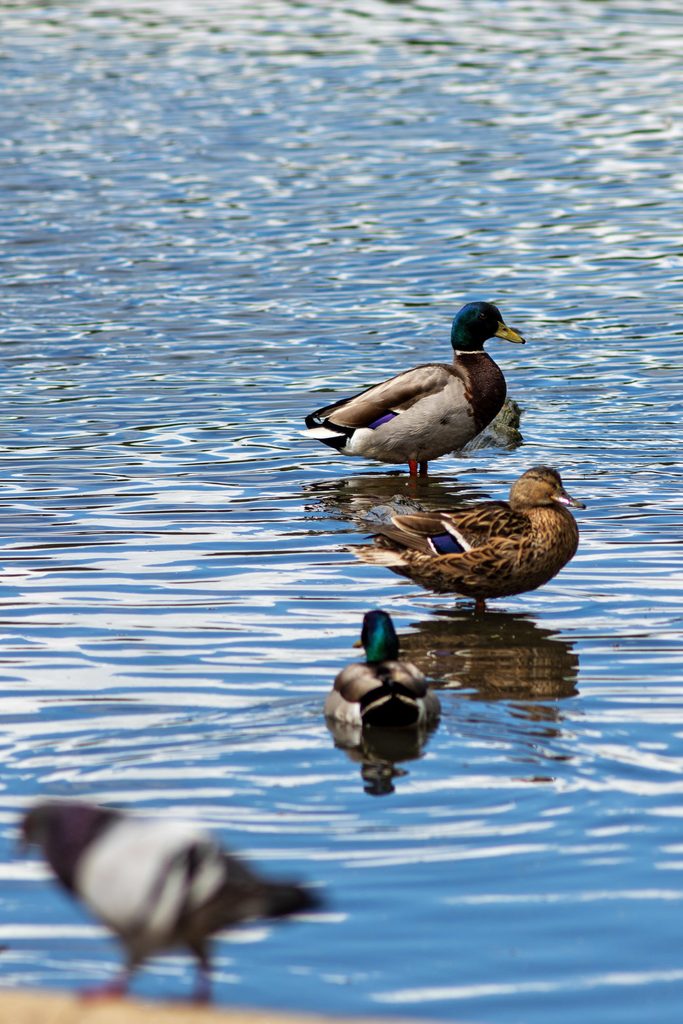
On a photo walk though it could have its advantages – wildlife becomes more of a viable prospect, although likely to be few and far between on my walk, and an overlooked benefit of a mid to long telephoto lens is that it can make for some pleasing landscape images due to the foreshortening effect.
While compact, when attached to the camera with the LA-EA5 adapter and with the mildly annoying – yet very affective when it is extended – lens hood, the Minolta 200 f/2.8 takes on quite a lengthy profile, especially when compared to most of my micro 4/3s lenses. That said, once slung over my shoulder with a strap it was easy to carry and barely a burden. The AF is not the fastest, but very acceptable for a lens that is 40 years old in its original guise and by all accounts much better with the LA-EA5 adapter than with previous adapters, where I had noted that Phillip Reeve had, ten years, ago, mostly relied on manual focus when using the LA-EA4.

Perhaps my favourite shot was the first I took once I looked at the raws and disregarded the black and white jpgs. It’s not so much for the composition but for the colours – I just love those greens! Minolta colours are just so vibrant. I love them!

The autumnal reds looked great too – focusing these leaves was hard as it was pretty windy, but I managed to get some in focus, although perhaps not the right ones….

The bokeh on this lens can be beautiful. Again I struggled to focus – especially in black and white (I should have switched to colour jpegs, so the berries in focus aren’t the ones that should be, but the background compensates admirably.
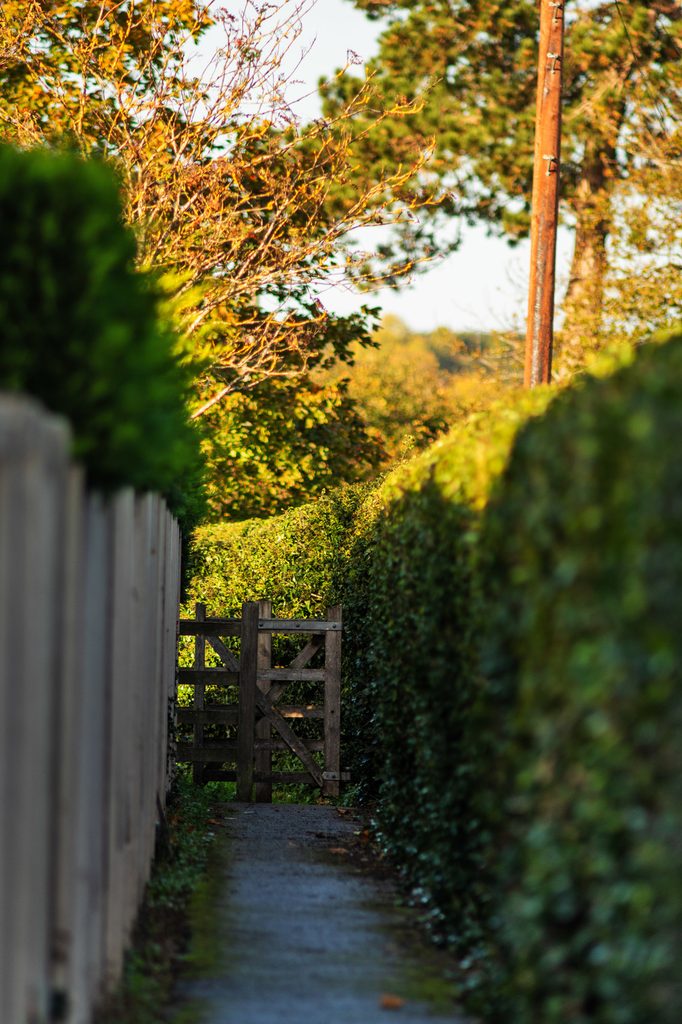
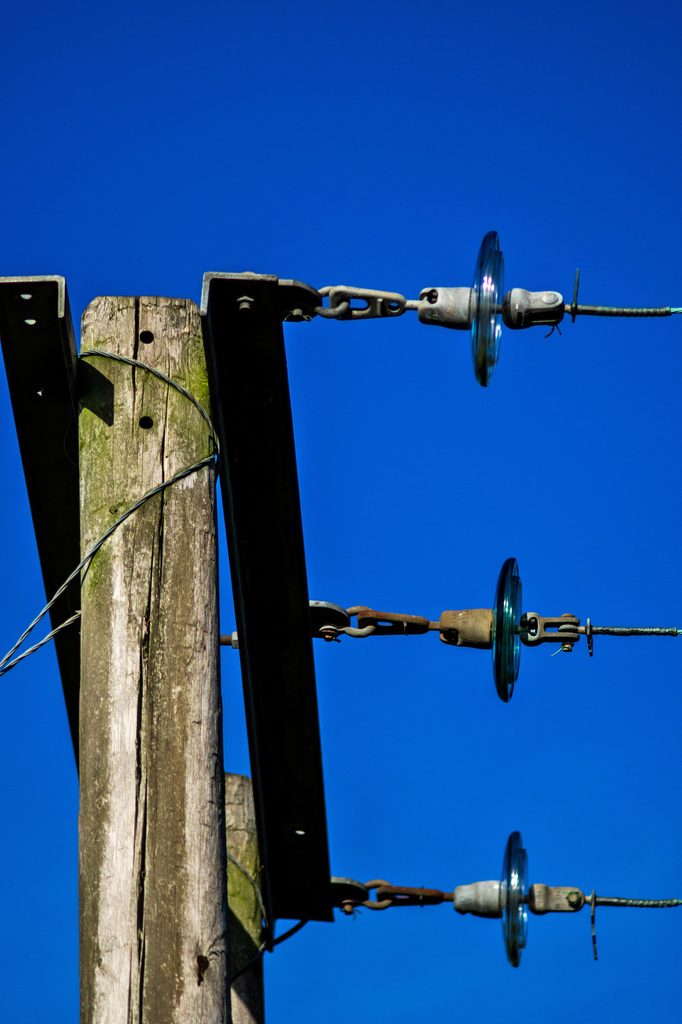
An ordinary shot of a narrow footpath is made more interesting with the foreshortening affect and abstract photos of mundane infrastructure were made possible with the 300mm focal length.
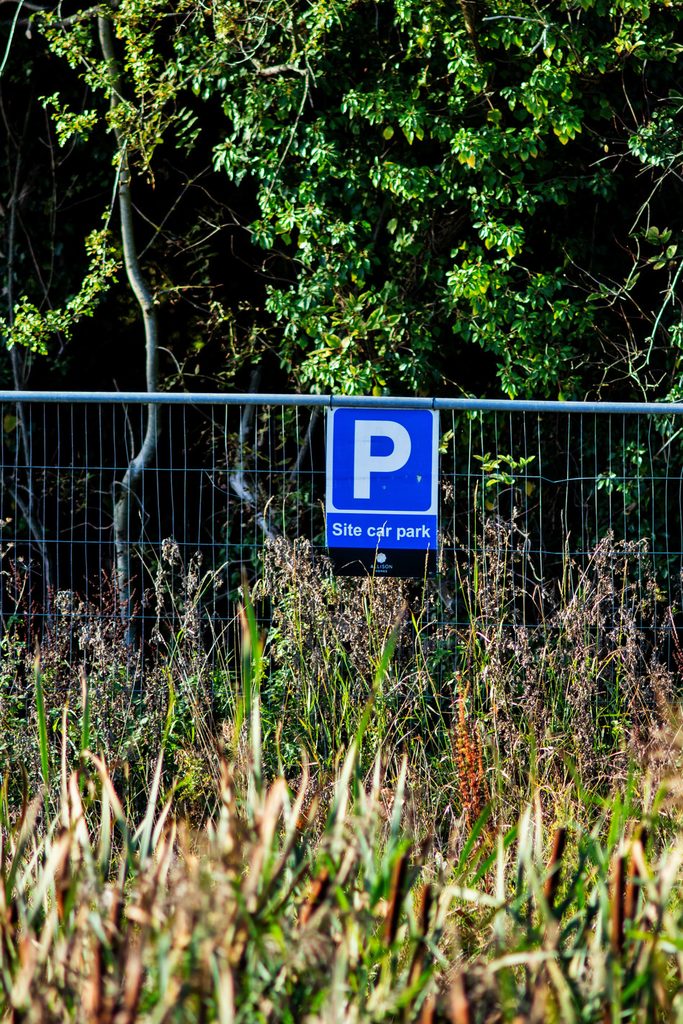
The new Manthorpe housing development is still very much being developed, and I have taken quite a lot of photos as it has progressed over the past year or more. This lens gave me perhaps the most detailed yet, being able to all but remove the fine mesh covering the barriers and being able to reach that good bit further, capturing some scenes that I’ve not been able to before.
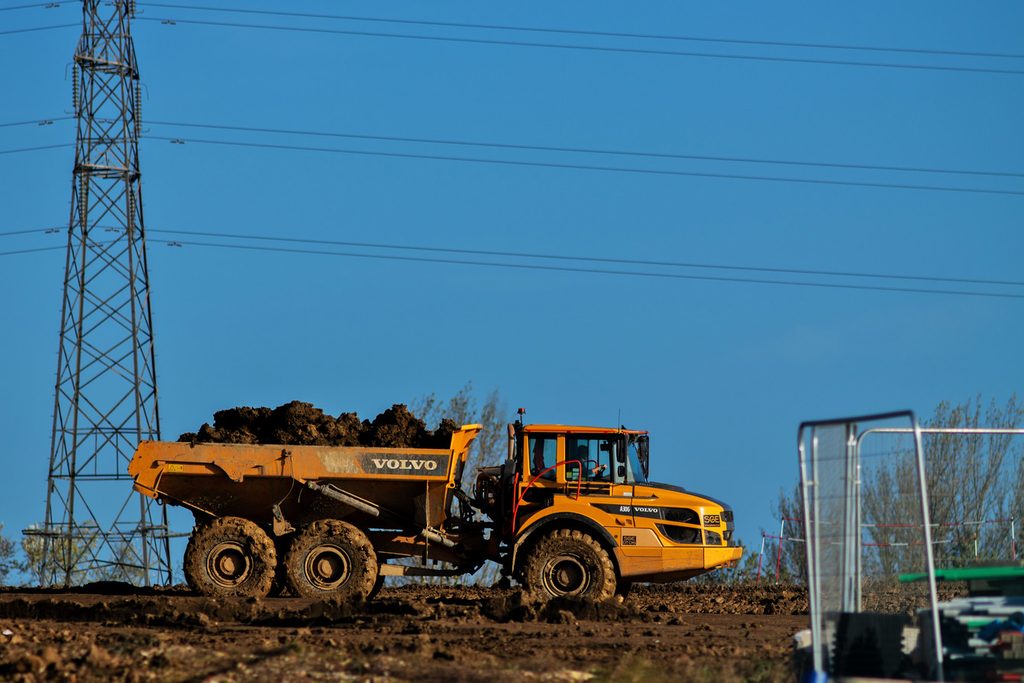
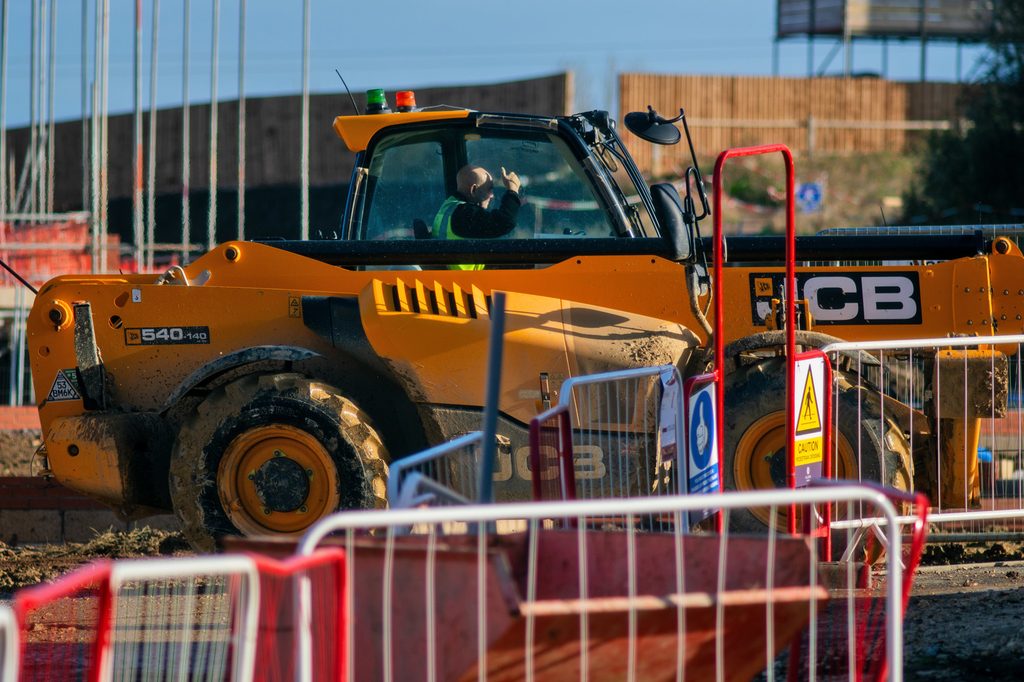
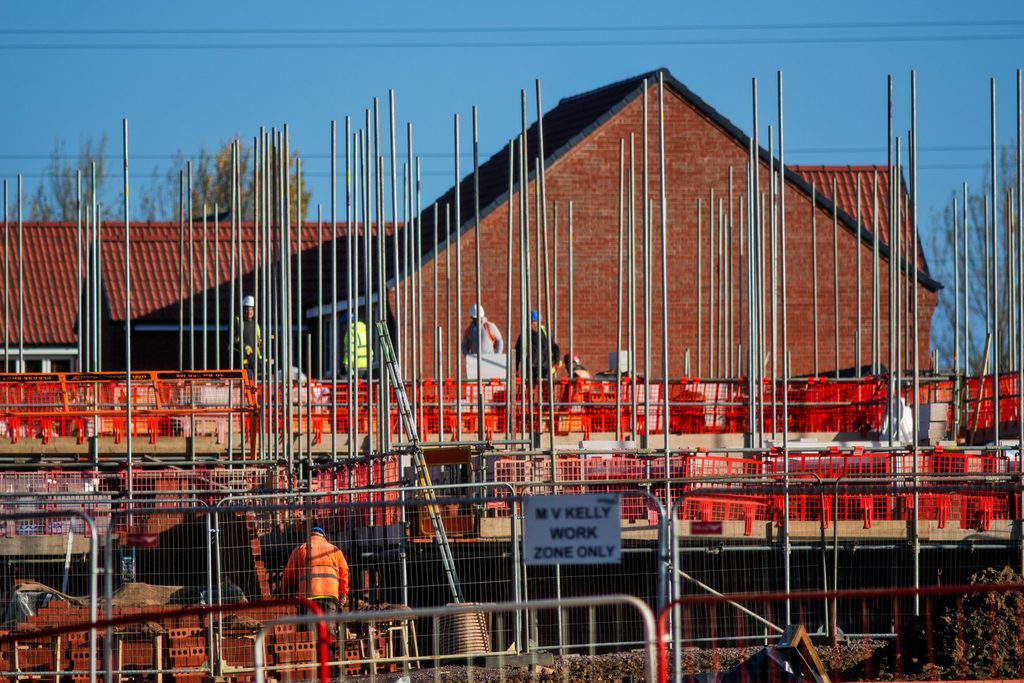
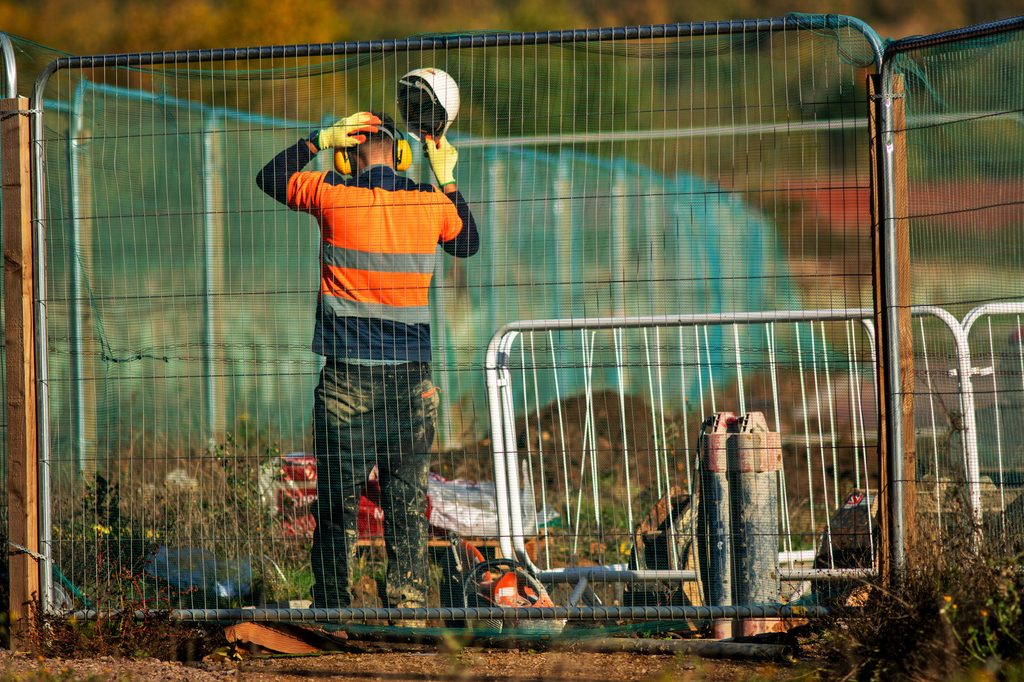

With a minimum focal distance of 1.5 meters, close up images is not really its strength, but it was possible to get some interesting images of the surroundings.

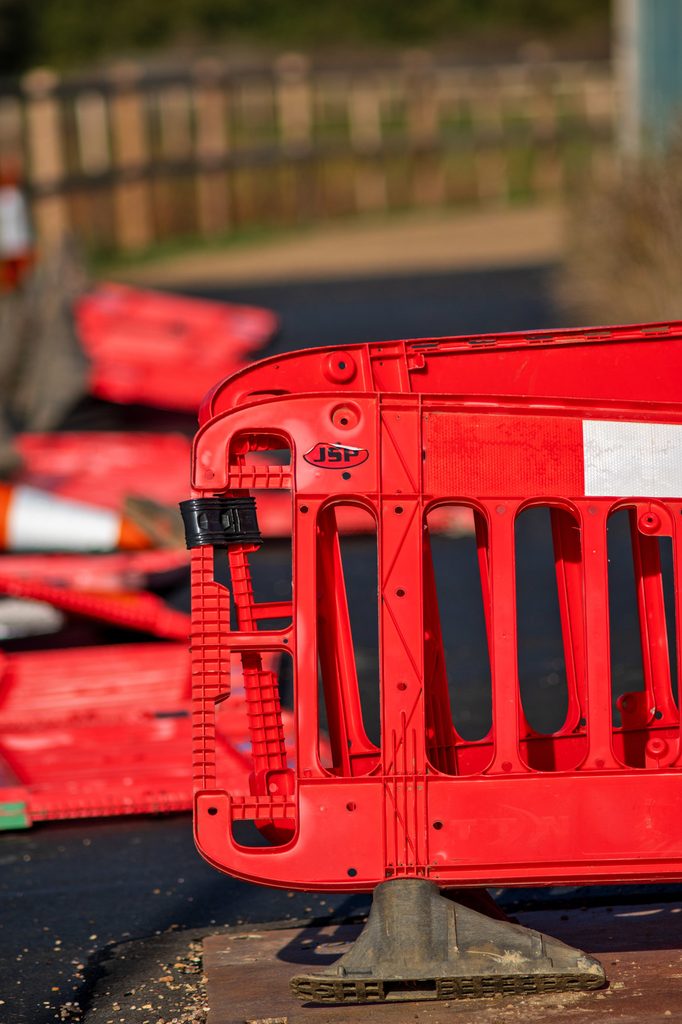
After negotiating the roadblocks of the footpath alongside the new housing estate, it was under the bridge that carries the Great Eastern Mainline and into the countryside, heading up to Great Gonerby.
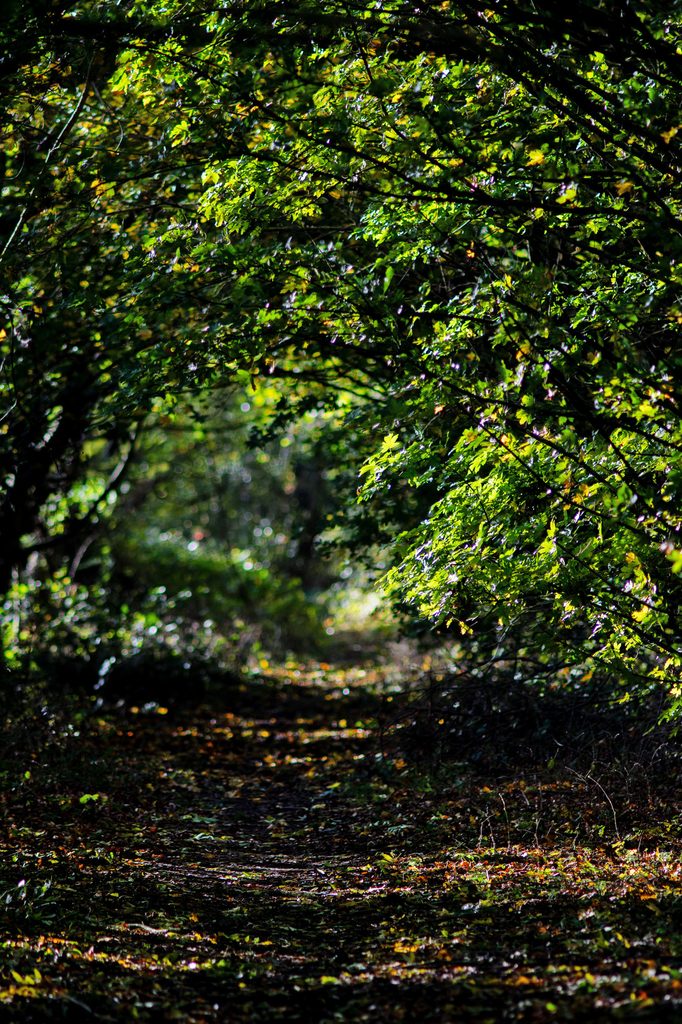
I expected a bit more of my oft photographed angle above, The bokeh is a little busy and I think I didn’t shoot it very well, focusing on the mud in the foreground when I needed something a little more interesting to focus on.
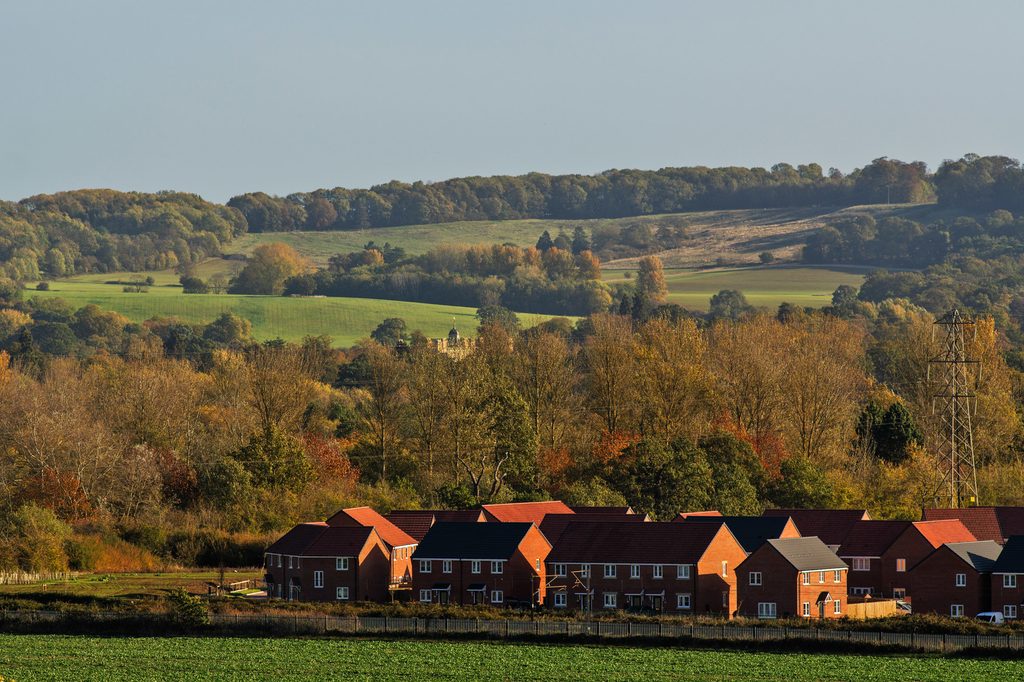
The above is where the 300mm came into its own – everything in view I think covers at least a mile or two, yet the compression makes it appear as though Belton House is within shouting distance of the new housing estate, which it, of course, isn’t (Planning permission would have surely been denied if it were). The only think missing is a train which would appear where the fence is in the foreground if I could be bothered to hang around for a few minutes for one to appear. Alas I was on a tight schedule, so had to press on.
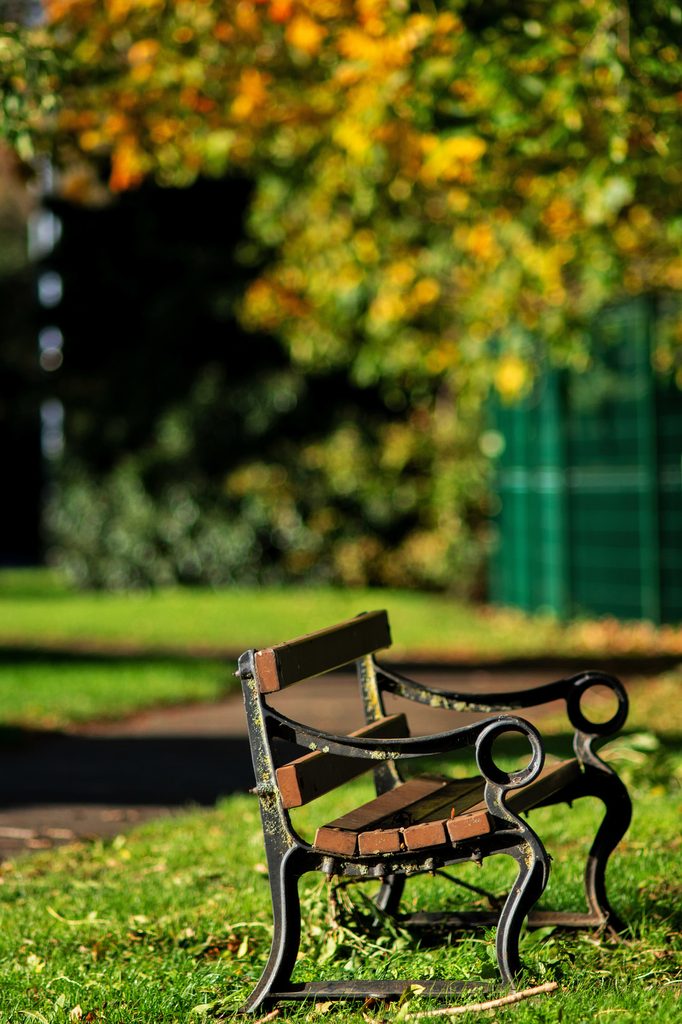
In Great Gonerby and I was keen to get some autumnal images – the bokeh is a perhaps a little busier than I would like but I do like the colours a lot.
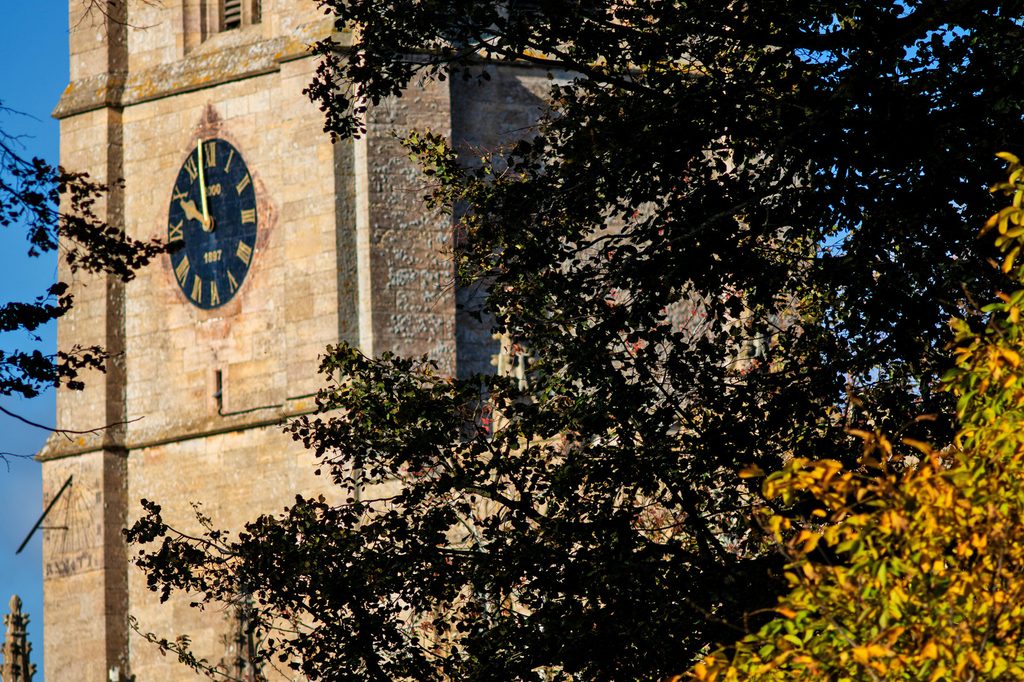
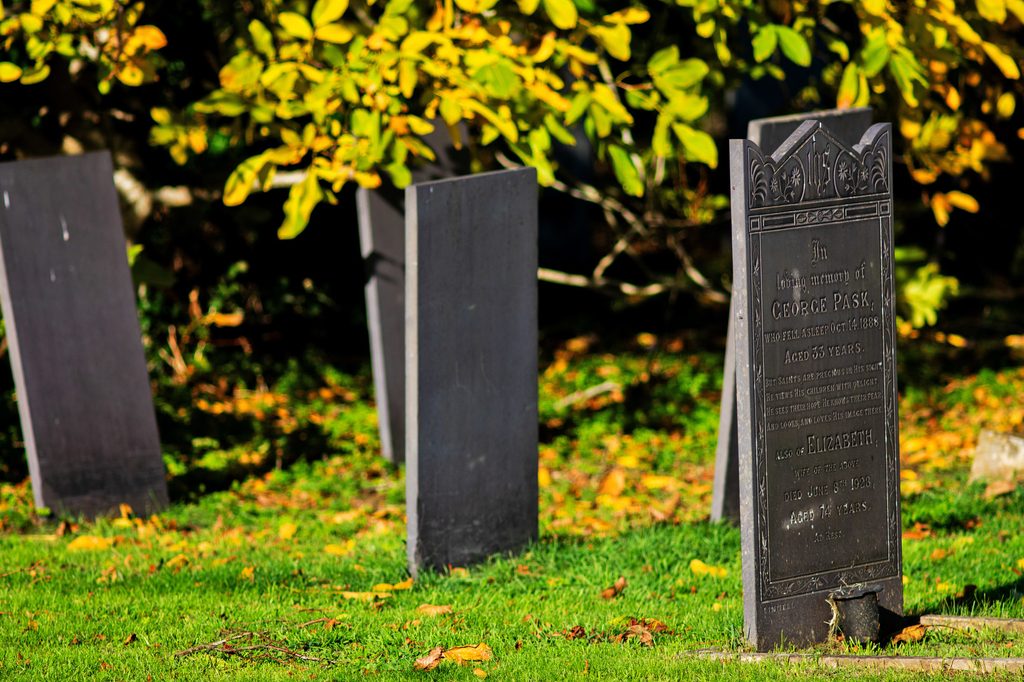
I’ve not been able to shoot well into the church graveyard until now, and the foreshortening made for a semi-interesting composition, although again, if I had more time, I think I could have done better.
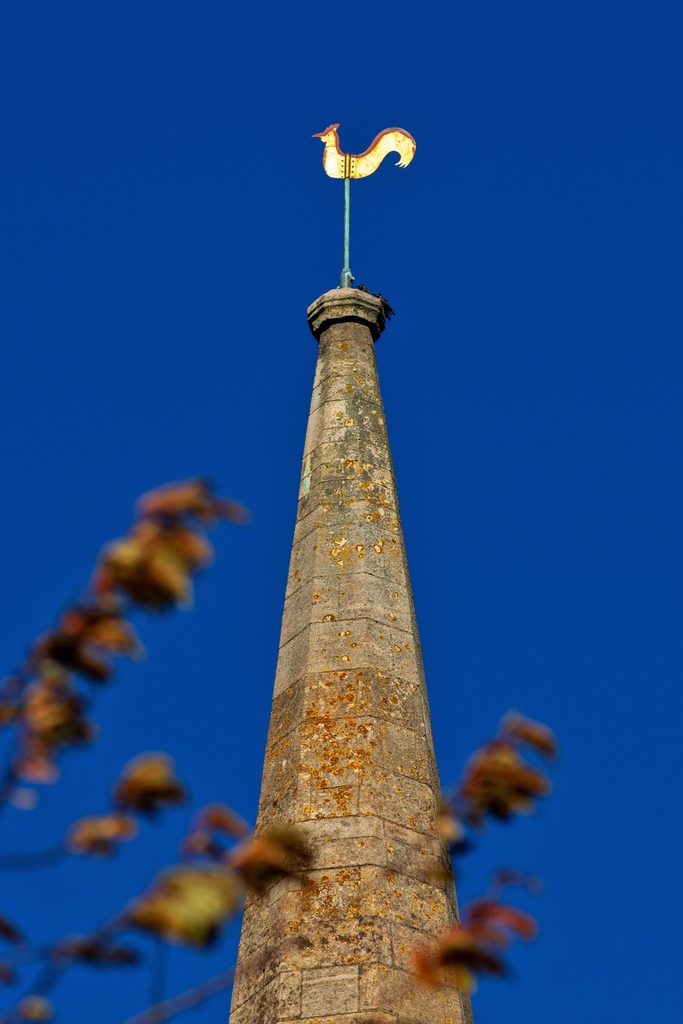
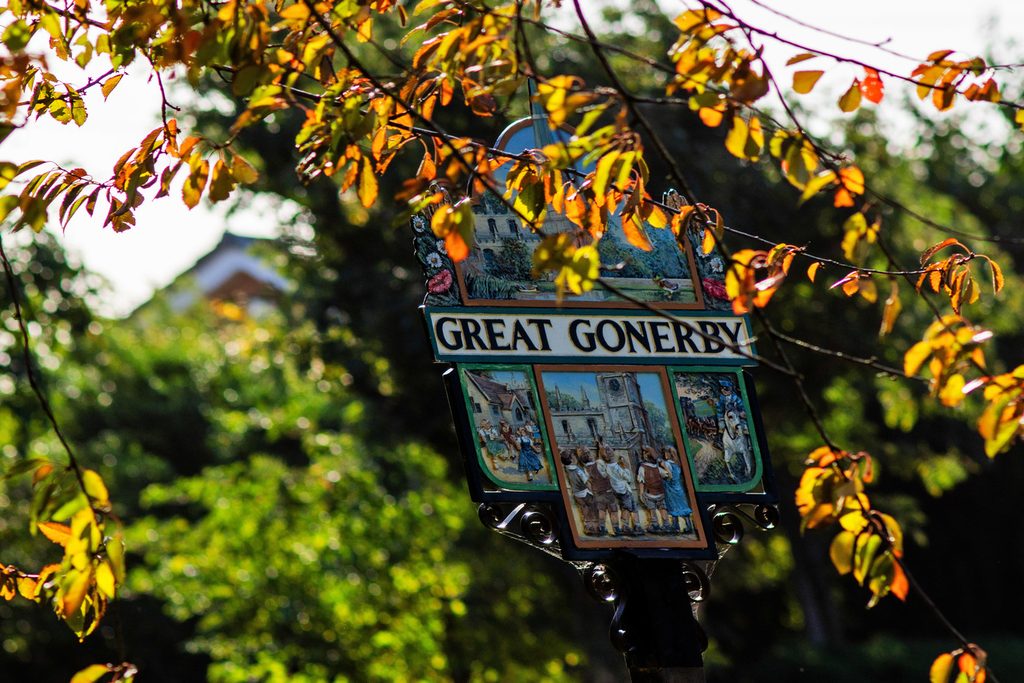
The shot of the Great Gonerby signpost highlights an anomaly that only became apparent when I got home and checked the output. I shot exclusively on electronic shutter and mostly at high shutter speeds where I wouldn’t expect rolling shutter, but quite a lot of frames featured it including, I think, this one. This may be a rare case where the wobble makes the image slightly more interesting. I suspect it’s as a result of there being a slight delay between the shutter being depressed and the shot being taken – something that happens quite often with the adapted Minolta lenses for reasons I know not. I should probably shoot mechanical shutter only from now on…
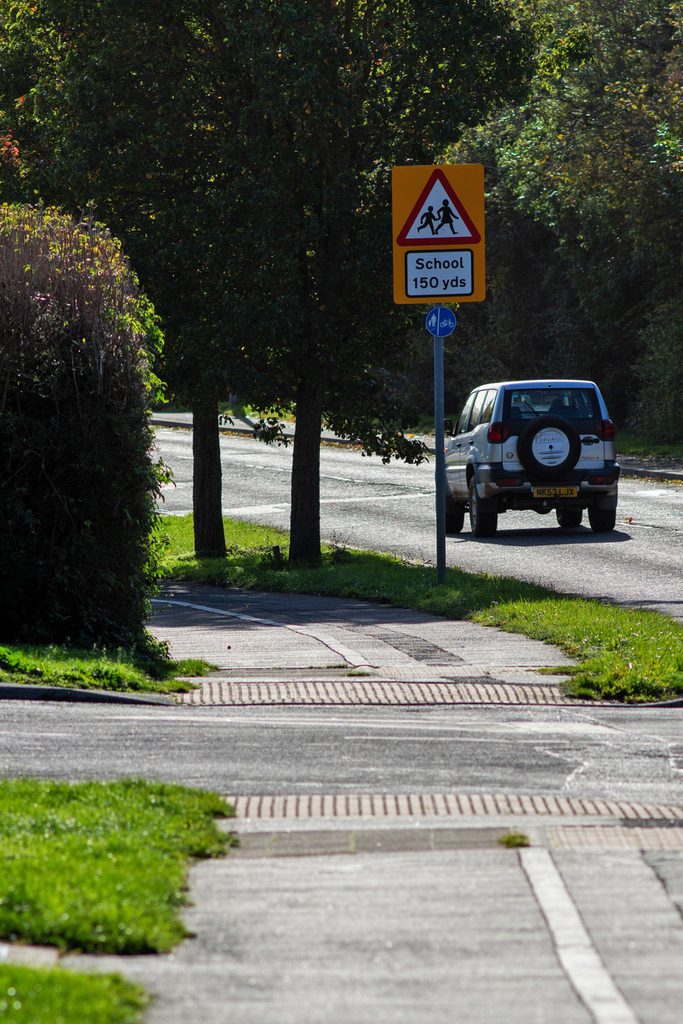
I AF tracked some cars coming down and up Gonerby hill and it seemed to do so without issue, which speaks volumes for the great AF in the A6700. It’s not quick enough to be a full time sports lens, but I wouldn’t mind taking this lens to a road race or parkrun – I think the results could be spectacular!
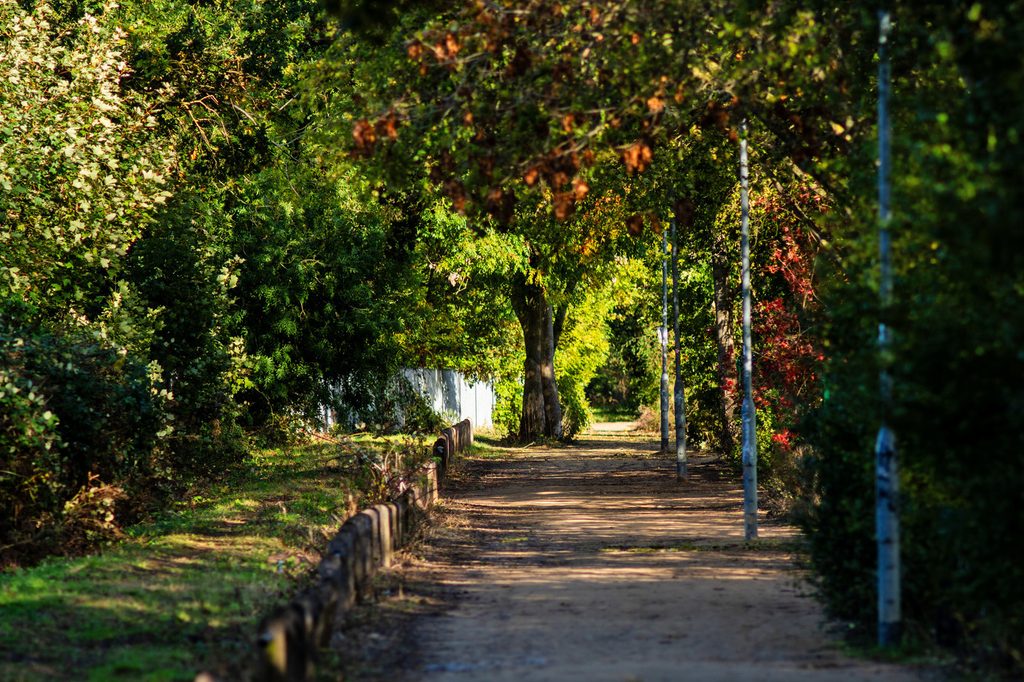
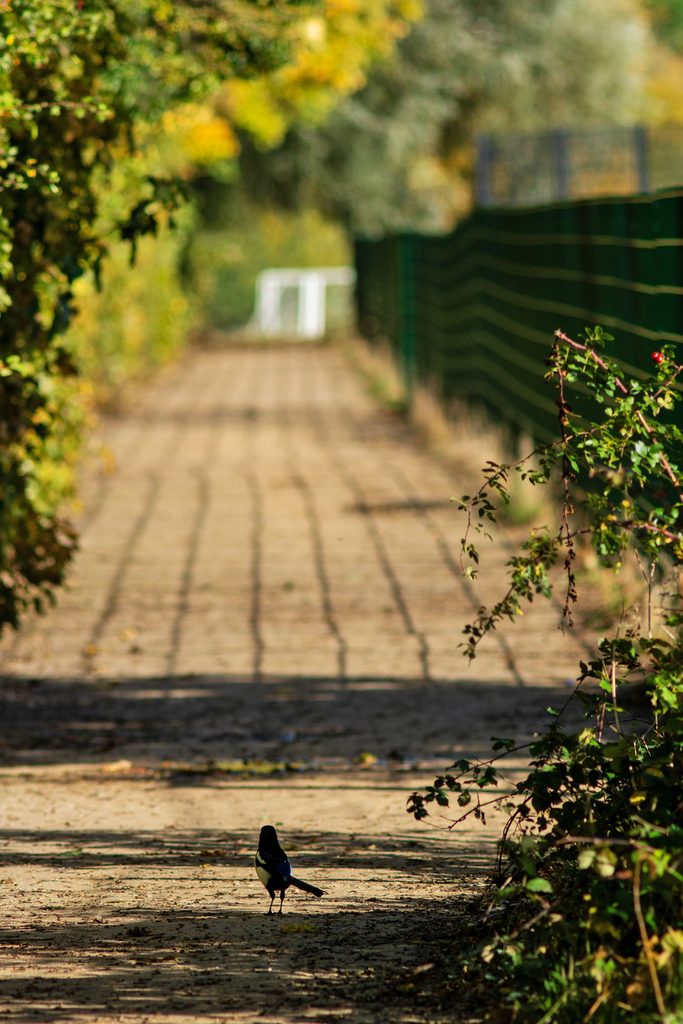
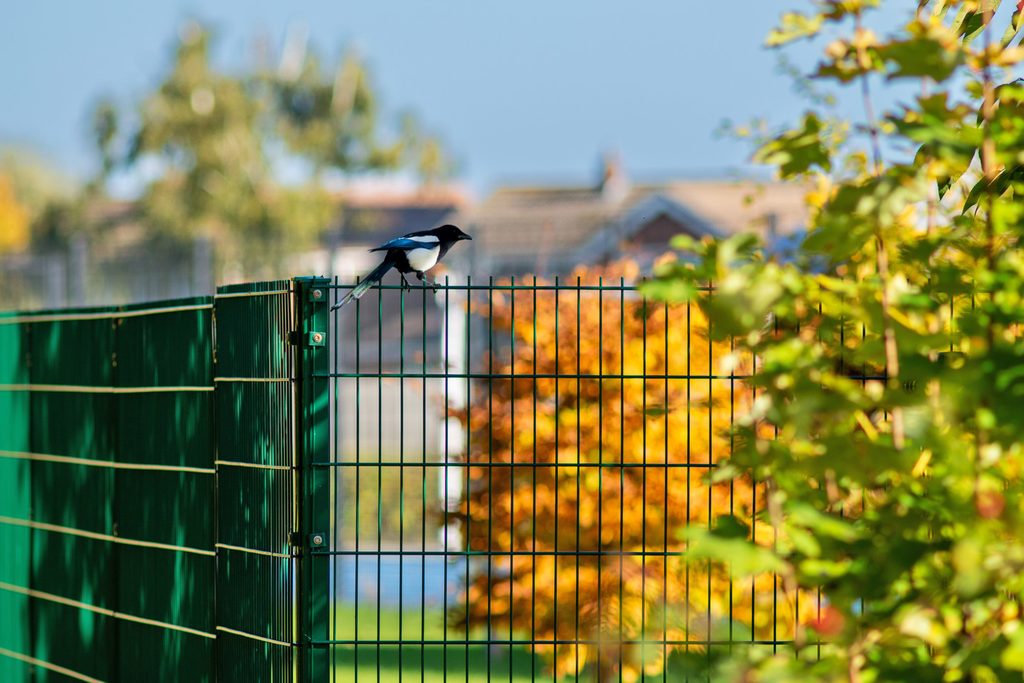
Coming down Running Furrows and this is an ideal footpath for the telephoto compression and it didn’t disappoint with the autumnal colours at their peak. I lucked in on this bird who was timid enough for me to get reasonably close to photograph – by no means as close as a wildlife photographer would expect – but given that all my previous attempts had seen the birds fly away before I even brought the camera to my eye, I was grateful for anything!
I was blessed with great conditions for this walk, only bettered I think if I’d been shooting in the early morning or at sunset rather than the admittedly weak midday sun. I was very pleasantly surprised with the results and how well the lens paired with the A6700 in this scenario, bringing a fresh dynamic to some well trodden roads and paths.
If you are a Sony shooter who is interested in picking up Minolta vintage glass then I think this comes right near the very top of my recommendations, especially as I paid just over £250 including taxes and postage for a copy in excellent condition from Japan, when ten years ago you were looking at least double that or three times the price for this revered lens. It’s not my go to for photographing candid portraits around the house or in a small garden due to it’s long focal length and MFD (that said I’ve got some nice instances where it has been used in this scenario), but it’s one of my preffered lenses for outdoor portraiture and now may well be for landscape photography too.
If you’re willing to buy a copy from Japan and all that that entails then I would unhesitatingly say that this lens comes –
Highly recommended!
Leave a Reply